Get quick appointment for technical support!

What is the Difference Between an Isolating Switch and a Main Switch?
Apr 12, 2026
In electrical systems, the switch that gives a visible break before maintenance and the main switch are commonly confused with each other. Although they may appear similar, they differ in function, operation, and application scenarios. Understanding these differences can help improve safety and ensure proper system operation.
What is an Isolation Switch?
An isolation switch is a device used to disconnect a circuit so that electrical equipment can be safely separated from the power supply. Its main function is to provide a clearly visible disconnection point, which ensures that no electrical current is present during maintenance. However, it is generally not designed to interrupt current under load conditions.
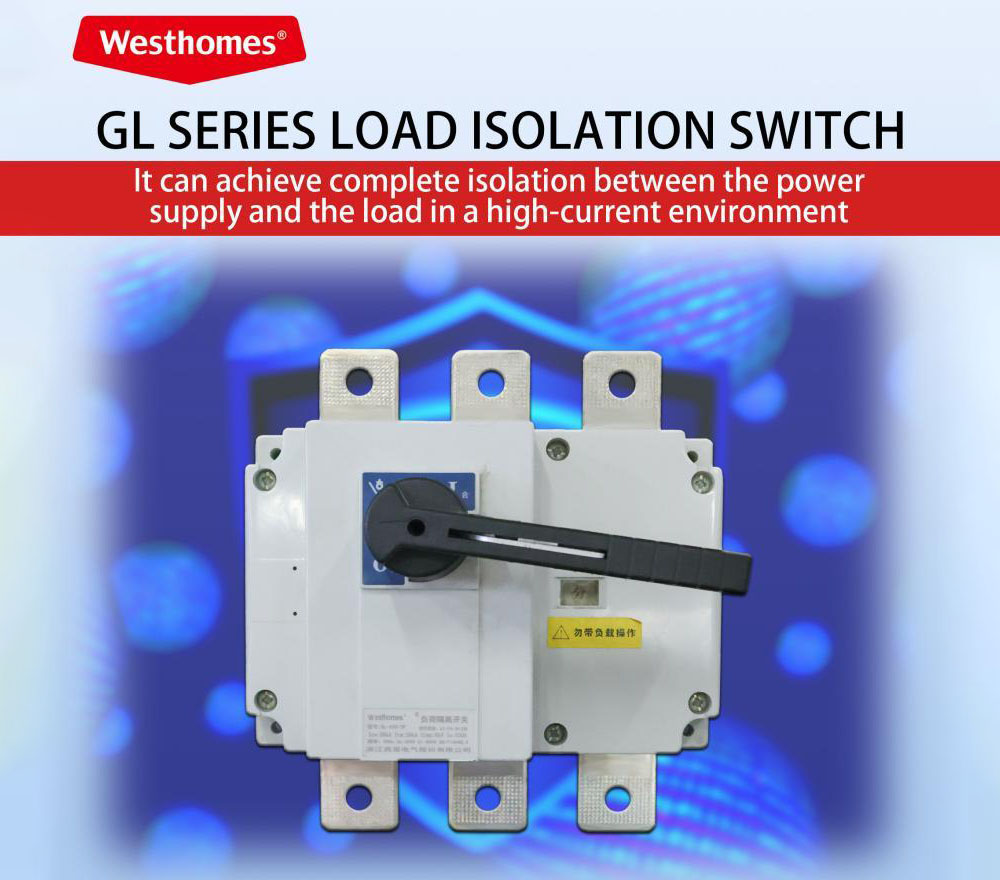
An isolator switch exists to create a visible break in the supply so that maintenance work can proceed safely.
What is a Main Switch?
A main switch is used to control the power supply of an entire circuit or distribution system. It can connect or disconnect power under normal load conditions. It often includes certain control or protection features and is used for both daily operation and emergency power shutdown.
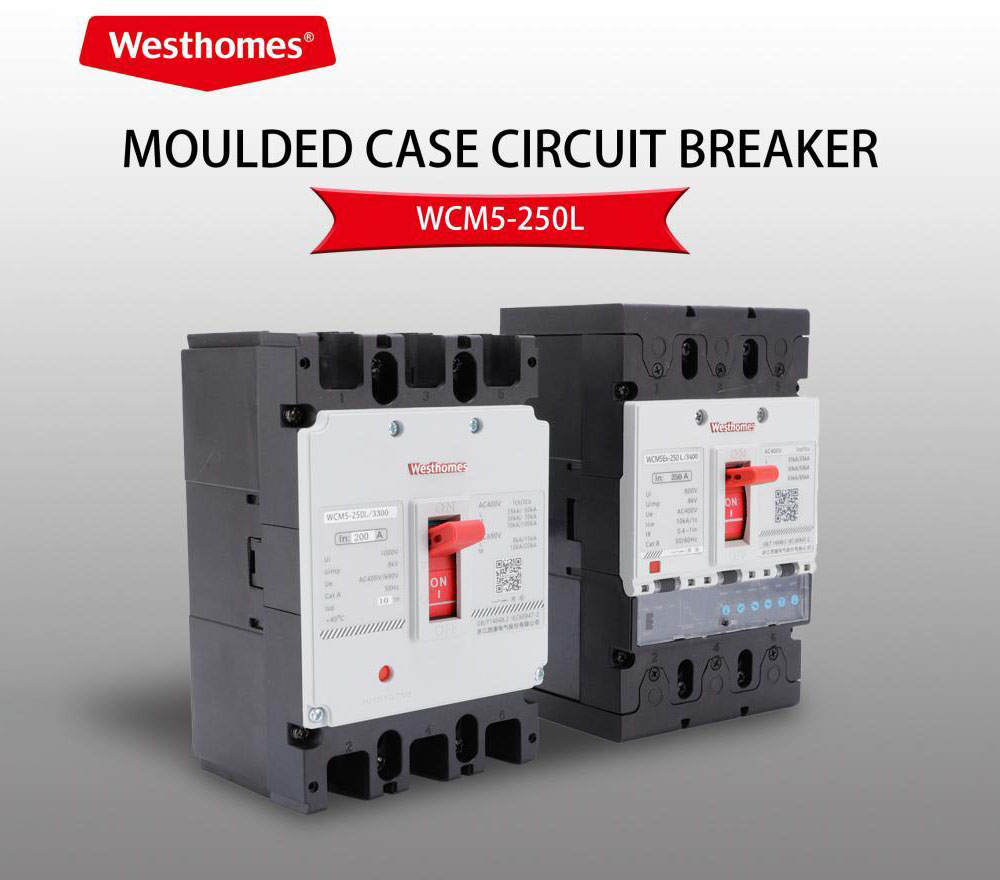
Differences in Core Functions
Functional Purpose
An isolation switch is designed for isolation, which allows equipment to be completely separated from the power source during maintenance so that a safe and de-energized working condition is created. A main switch, on the other hand, is used to control the power supply of a circuit or system and is responsible for turning power on and off during normal operation.
Ability to Operate Under Load
An isolation switch is not intended to be operated under load conditions, since switching under load may generate electrical arcs that can cause equipment damage or safety hazards, so it is usually used together with devices such as circuit breakers. A main switch can operate under normal load conditions and is designed with arc control capability so that it can handle frequent switching in daily use.
Focus of Safety Function
An isolation switch emphasizes visible disconnection, as its structure typically includes a clear gap that allows operators to confirm that the circuit is completely disconnected, which improves safety during maintenance. A main switch focuses more on power control and emergency shutdown, as it allows the power to be cut off quickly when abnormal conditions occur.
Intended Use
An isolation switch is mainly used in maintenance and servicing scenarios, where it serves as a safety measure. A main switch is used for daily power management and system control, and it is commonly installed as the main power control point in residential and industrial systems.
Structural Design
An isolation switch has a relatively simple structure that consists of contacts, insulating supports, and an operating mechanism, while it features a visible gap that allows users to easily confirm whether the circuit is disconnected. A main switch has a more complex internal structure, which includes contact systems, arc extinguishing devices, and operating mechanisms, and in some cases it also integrates protection features such as overload or short circuit protection.
Differences in Application Scenarios
Maintenance and Servicing
An isolation switch is used during maintenance or servicing, where it creates a visible disconnection point so that equipment is completely separated from the power supply, which ensures a safe working condition. It is typically used together with a circuit breaker rather than alone. A main switch may be used to cut off the overall power supply in this scenario, but it does not provide the same level of isolation.
Daily Power Control
A main switch is widely used in residential, commercial, and industrial distribution systems, where it controls the power supply of the entire circuit and allows convenient switching during daily use. An isolation switch is not intended for frequent operation and is usually left in a fixed position.
Industrial Equipment
In industrial systems, an isolation switch is installed at the power input or critical points of equipment so that safe isolation can be achieved during maintenance. A main switch is used to control equipment operation and can be integrated with automation systems for switching control.
Emergency Power Shutdown
A main switch can be used to quickly disconnect power in emergency situations, such as equipment failure or safety incidents. An isolation switch is generally not used for emergency shutdown, since it is not designed to interrupt current under load.
How to Choose the Right Switch?
Application Purpose
If the goal is to ensure safety during maintenance or servicing, an isolation switch should be selected so that reliable electrical separation can be achieved. If the requirement is to control the power supply during normal operation or to serve as the main power control point, a main switch should be selected. In most systems, both devices are used together rather than replacing each other.
Load Type
For loads that require frequent switching or operation under normal working conditions, such as lighting systems or motors, a main switch should be used since it can operate under load. For scenarios where switching is performed only when the circuit is de-energized, an isolation switch is more suitable. When dealing with high power or inductive loads, a switch with effective arc control capability should be considered so that safe operation can be maintained.
| Aspect | Isolating Switch | Main Switch |
| Primary Function | Used to isolate electrical equipment from the power supply | Used to control the power supply of a circuit or system |
| Purpose | Ensures safety during maintenance by creating a de-energized condition | Controls power on and off during normal operation |
| Operation Under Load | Not designed to operate under load | Can operate under normal load conditions |
| Arc Handling | Does not include arc extinguishing capability | Includes arc control or extinguishing mechanisms |
| Safety Focus | Provides visible disconnection for maintenance safety | Enables power control and emergency shutdown |
| Visibility of Contacts | Usually has a visible gap to confirm disconnection | Typically enclosed, status indicated by switch position |
| Frequency of Operation | Operated occasionally, mainly during maintenance | Operated frequently during daily use |
| Application Scenarios | Maintenance, servicing, equipment isolation | Residential, commercial, and industrial power control |
| Role in System | Acts as a safety isolation device | Acts as the main power control device |
| Use in Emergency | Not suitable for emergency disconnection under load | Suitable for emergency power shutdown |
| Installation Position | Often installed near equipment or at specific isolation points | Installed at the main power entry or distribution panel |
| Compatibility | Commonly used together with circuit breakers | May integrate or work with protective devices |
Conclusion
Isolation switches and main switches differ in function, operating capability, and application scenarios. One is used for safe isolation, while the other is used for power control. Proper selection and use can improve both system safety and reliability.
WESTHOMES offers a wide range of high quality isolation switches, and you are welcome to visit our homepage to find the right product.
FAQs
Q: Can an isolation switch be used as a main switch
It is not recommended, as it cannot safely interrupt current under load and may cause arcing.
Q: Can a main switch replace an isolation switch
It cannot fully replace it, since it does not provide visible disconnection for maintenance safety.
Q: Why are both switches used in the same system
A main switch controls power, while an isolation switch ensures safe separation during maintenance.
Q: Can an isolation switch be operated while energized
It can be operated with no load or minimal current, but not under load conditions.
Q: Is an isolation switch required in residential systems
It is not always required, as main switches or circuit breakers are typically used.

--- END ---
In this blog
Featured Articles
Get A Free Quote
