Get quick appointment for technical support!

What Is a Short Circuit and Why It Happen?
Dec 18, 2025
Short circuits are among the most common electrical issues seen in homes, commercial spaces, and industrial settings. When an unintended low-resistance path forms in a circuit, current flows freely along this path and bypasses the designed load.
This sudden change may lead to overheating, equipment damage, or sparks. Understanding how short circuits happen and what conditions lead to them helps technicians, homeowners, and engineers maintain safer and more reliable electrical systems.

What Is a Short Circuit?
In a well-designed circuit, electricity flows from the power source to the load and then returns along a designated path. A short circuit occurs when the current finds an alternative route with far less resistance. Because low resistance increases current flow dramatically, the system may heat rapidly. Circuit breakers and fuses respond by interrupting the flow.
Short circuits can be summarised as situations where:
- Current bypasses the intended load
- A conductive path forms unintentionally
- Current rises sharply due to low resistance
- Protective devices operate to stop the flow
This behavior differs from overloads, which develop when too many devices draw power from a circuit at once.
Common Causes of Short Circuits
Short circuits may arise from various conditions. Some develop gradually, while others appear due to sudden faults.
1. Damaged Insulation
Factors leading to insulation failure include:
- Heat exposure
- Friction or vibration
- Rodent damage
- Aging materials
Once insulation breaks down, exposed conductors may touch one another or metal surfaces.
2. Loose Connections
Connections can loosen at outlets, switches, or terminal points.
Loose wiring may:
- Shift under vibration
- Create intermittent contact
- Heat up and weaken insulation
These conditions may allow conductors to touch accidentally.
3. Water Intrusion
Moisture creates unintended current paths.
Short circuits may arise when:
- Water enters outdoor outlets
- Condensation forms in humid areas
- Appliance housings become wet
Moisture lowers resistance, increasing the chance of accidental contact.
4. Faulty or Worn Appliances
Devices with internal wiring problems may trigger short circuits when plugged in.
Internal faults may involve:
- Broken wires
- Burnt components
- Loose internal terminals
5. Rodent Damage
Rodents chew through insulation, leaving conductors exposed. This damage raises the chance of direct contact between wires.
6. Corroded Terminals
Corrosion can:
- Increase resistance
- Create heat
- Deteriorate insulation
Over time, this process supports conditions where conductors meet unintentionally.
What Happens When a Short Circuit Occurs?
When current flows through a path of minimal resistance, several consequences follow:
Rapid Current Surge
Current can rise to levels far above the design parameters of the circuit wiring. A conductor may carry tens or hundreds of amps more than intended, which drives rapid heating.
Heat Generation
High current generates heat as it flows through conductors and connection points. If the heat is not dispersed, it may cause insulation to melt or conductive materials to warp. This leads to further failure and increased risk of fire.
Activation of Protective Devices
Systems normally include protective equipment such as circuit breakers or fuses. During a short circuit, these devices interrupt current flow by opening the circuit. This action protects wiring and equipment from sustained overheating.
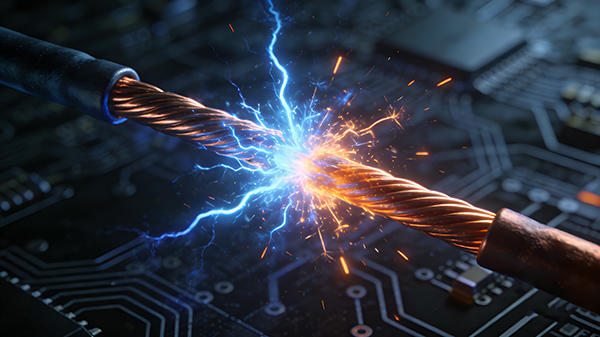
Arcing and Sparks
When a short occurs, especially if the contact is intermittent or if two conductors separate while current is flowing, arcing may happen. Arcing produces sparks that can further damage insulation, ignite surrounding materials, or leave conductive residue.
How to Recognize Warning Signs
Short circuits often produce signals that suggest hidden faults.
Look for:
- Breakers that trip repeatedly
- Burn marks or discoloration around outlets
- Buzzing or crackling noises from switches
- Sudden dimming or flickering of lights
- A burnt odor near wiring or appliances
These symptoms should prompt a closer inspection.
Role of Protective Devices in Short Circuit Behavior
Protective devices activate when short circuits occur. Each device contributes differently to system safety.
Circuit Breakers
They act as switch-like protectors that open the circuit when current levels exceed their thresholds. Breakers can be reset after they operate.
Fuses
A fuse contains a metal element that melts when current rises too high. After the element melts, the fuse requires replacement.
Ground Fault Interrupters
These devices monitor the difference between live and neutral currents. When an imbalance is detected, they interrupt the circuit.
Protective devices are designed to act faster than heat can build up in wiring, which supports stable operation.
Conclusion
Short circuits occur when current finds an unintended low-resistance path, bypassing the designed load. They may result from insulation failure, loose connections, moisture exposure, appliance faults, or environmental conditions. Recognising early warning signs and applying prevention strategies lowers the occurrence of shorts and supports stable electrical performance.
If you are planning upgrades, investigating electrical issues, or seeking guidance on reliable protection devices, the West Homes team is available to assist. Contact us to explore solutions tailored to your project and ensure your electrical systems run with consistency and confidence.
--- END ---
In this blog
Featured Articles
Get A Free Quote
