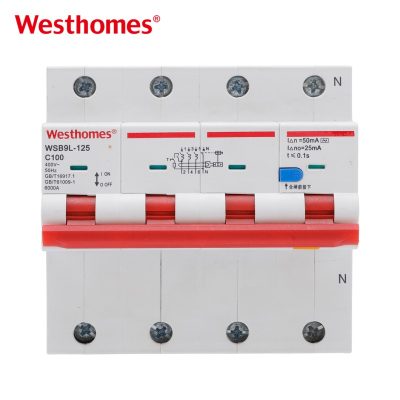
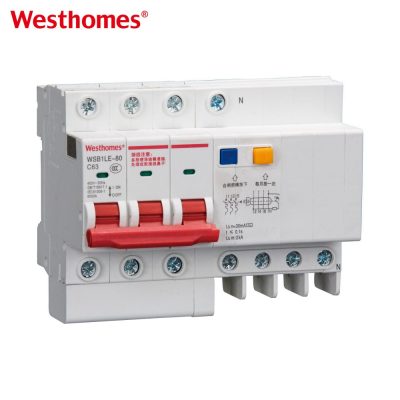
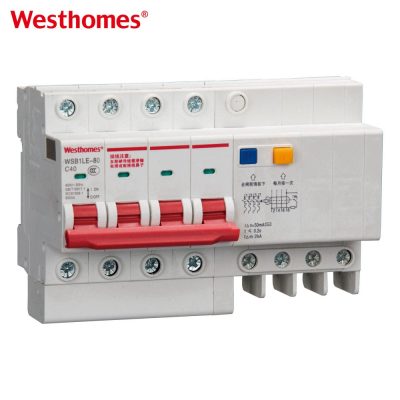
WSB9-125 Moulded case circuit breaker
WSB9-125 is one of updated type MCCBs researched and developed by the company by using advanced design and manufacture technology internationally.
Get quick appointment for technical support!

WSB9-125 series MCB is one of updated type MCCBs researched and developed by the company by using advanced design and manufacture technology internationally.

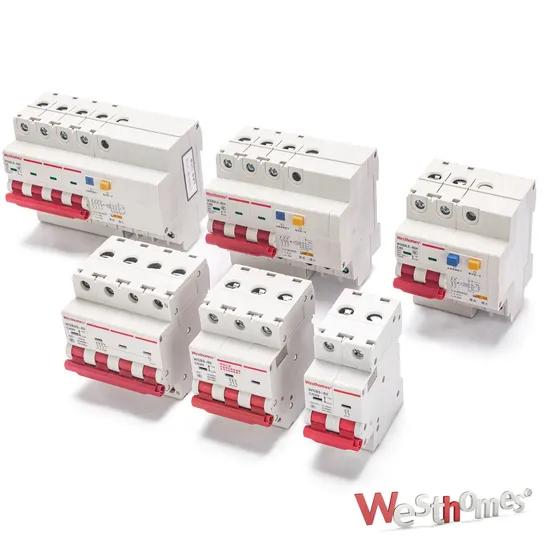
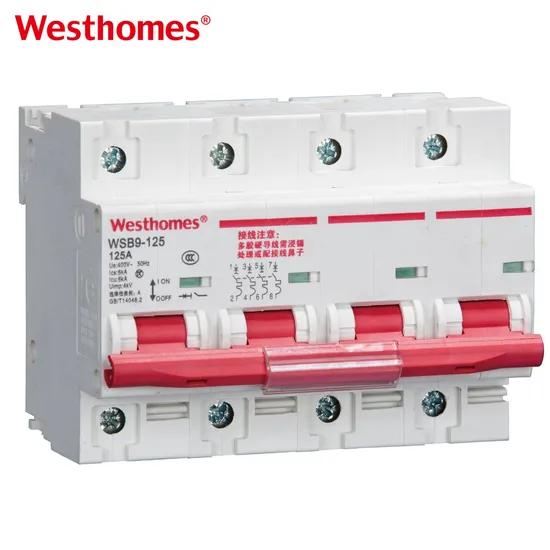
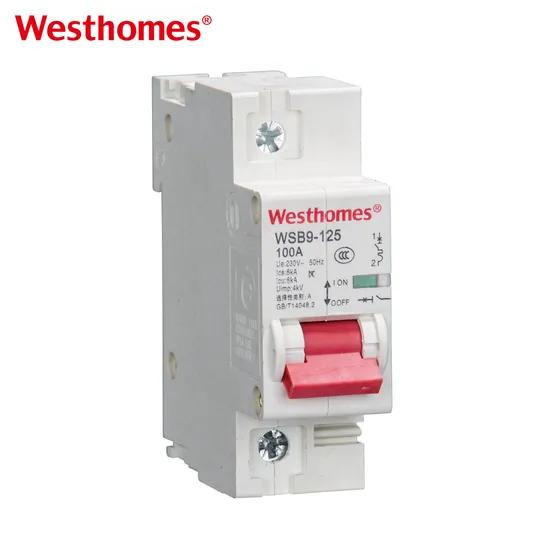
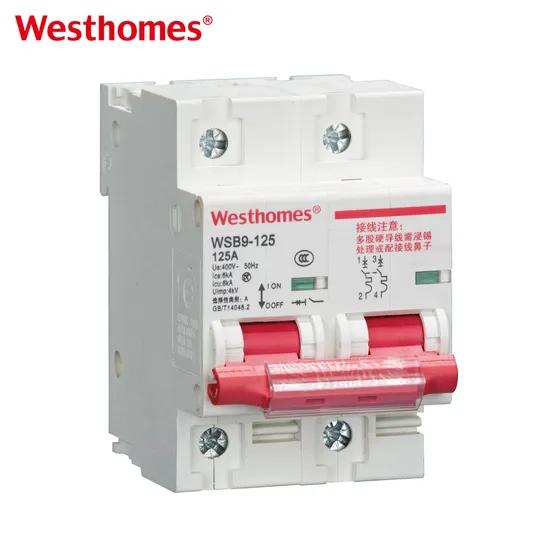
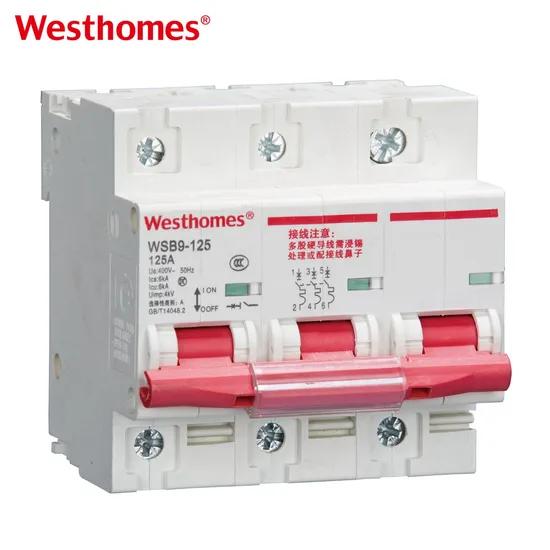
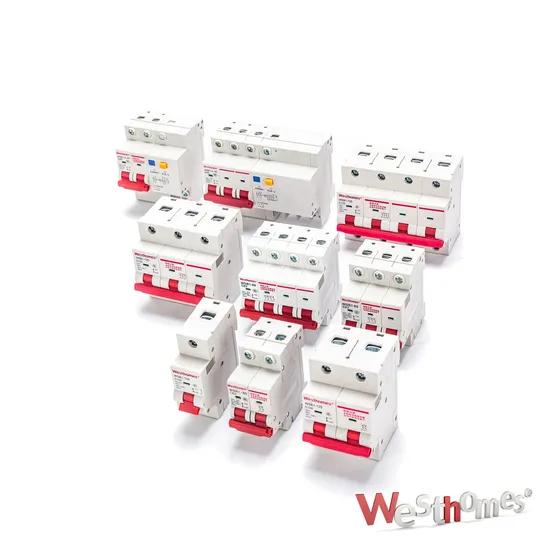
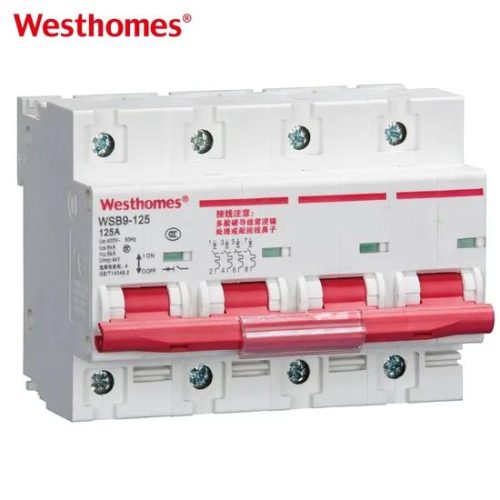
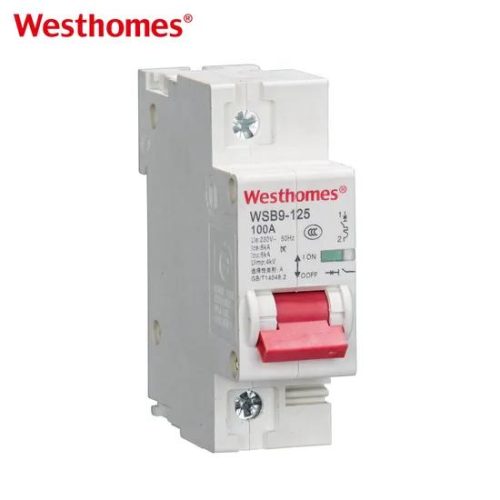
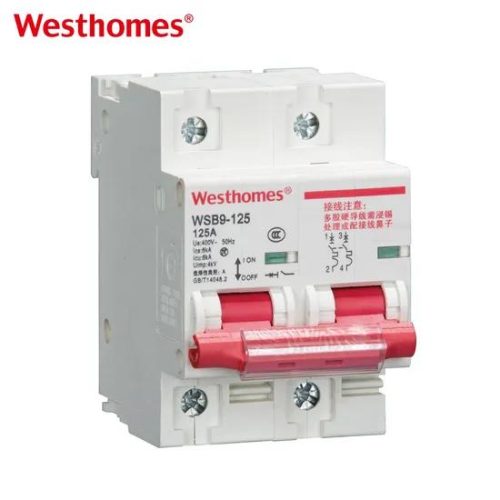
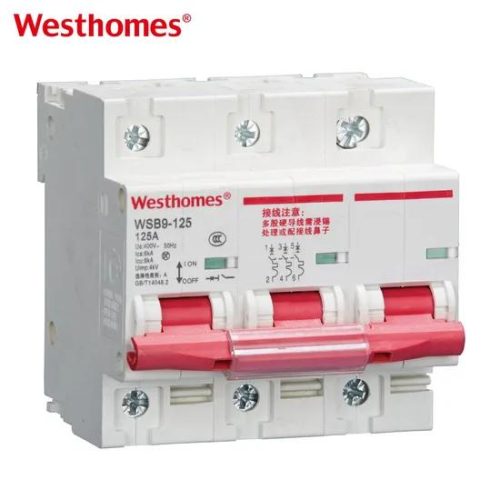
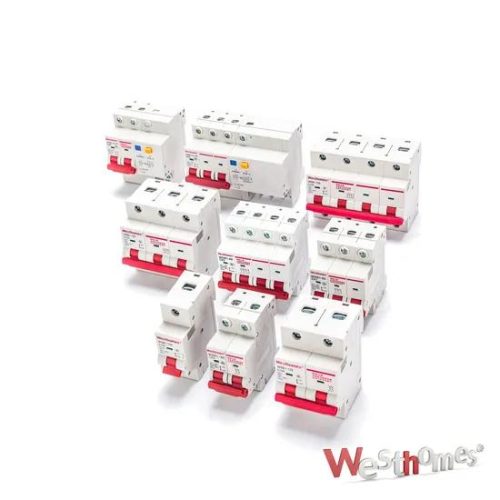
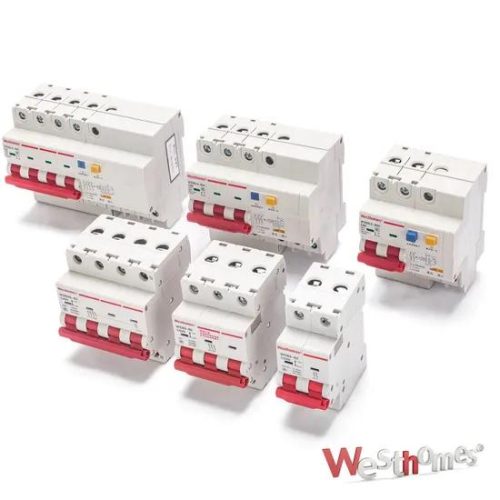
WSB9-125 is one of updated type MCCBs researched and developed by the company by using advanced design and manufacture technology internationally.
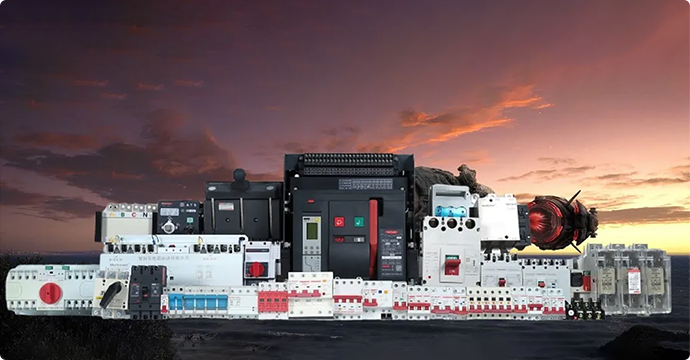
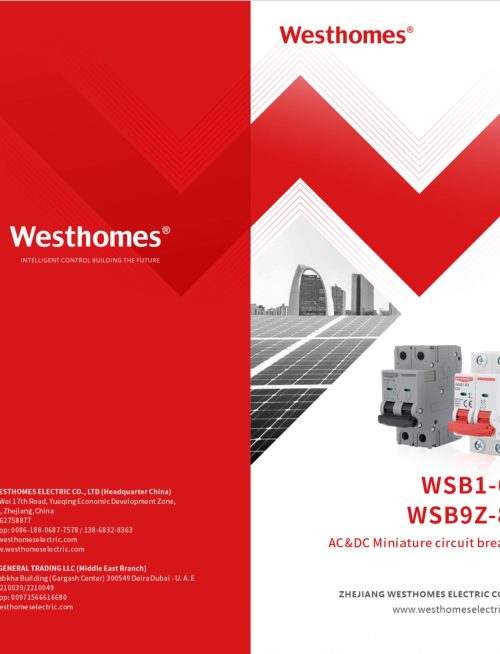
WSB9 series Miniature circuit breakers (hereinafter referred to as circuit breakers) are suitable for AC 50Hz or 60Hz, rated working voltage AC230V/400V, rated current up to 80A lines, for overload and short circuit protection of the lines, and can also be used for infrequent operation conversion of the lines. The circuit breaker is suitable for commercial office buildings, residential buildings and similar buildings. This product complies with GB10963.1 and IEC60898-1 standards.
| Frequency | 50Hz/60Hz |
| Pole | 1, 2, 3, 4 |
| Voltage | AC230V/400V |
| kA | 6kA, 10kA |
| Amps | 63, 100, 125A |
| Width | 27, 54, 81, 108mm |
| Mounting | Din rail |
| Model | Pole | Rated Frequency | Frame level rated current | Rated voltage | Rated current | Rated short circuit breaking capcacity | Power frequency withstand voltage | Mechanical and electrical operation performance |
| WSB9-125 | 1P, 2P, 3P, 4P | 50/60Hz | 125A | AC230/400V | 63, 80, 100, 125A | 6kA, 10kA | Circuit breaker can satisfy AC50Hz, 2500V lasting 1min voltage withstand test with no flashover or breakdown | The operation cycle number of the circuit breaker is 10000 times, including loading one 1500 times, and no loading one 8500 times |
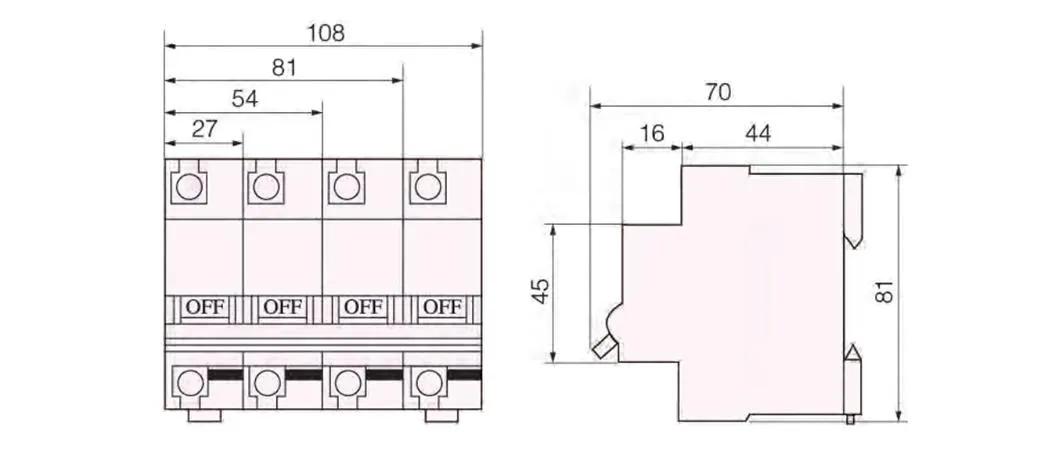
A 4-pole MCB switches and protects three phases plus the neutral (L1, L2, L3, N) in a single 4-pole body. At 125A it is typically used as a main switch / incomer protection for a distribution board, a three-phase sub-main, or a heavy commercial load such as a workshop, EV charging bank, or machine tool.
All four poles move together, but only the three phase poles normally carry thermal and magnetic trip elements. The neutral pole is a mechanically linked contact that opens with the phases; in some 4P models the neutral pole is also fully protected. Confirm on the datasheet whether the N pole is "protected" or "unprotected" when designing for nonlinear loads with high neutral current.
The thermal bimetal in each phase pole heats up under sustained overcurrent. Because the rated current is 125A, the time-current curve allows normal full-load running but trips on the order of minutes at 1.13–1.45 × In and faster as the overload grows. This protects the upstream and downstream cables from insulation damage.
An electromagnetic solenoid coil on each phase pole fires instantly when the current reaches the magnetic threshold (curve-dependent, typically 5–10 × In for a C-curve main breaker). At 125A this means instantaneous trip in the hundreds-to-thousands-of-amp range, clearing bolted faults before cables reach dangerous temperatures.
First compute the total estimated load Ib (diversified) across all three phases, then choose In so Ib ≤ In ≤ Iz for the main cables. A 125A main breaker typically pairs with 25 mm² to 35 mm² copper phase conductors and sits downstream of the building supply; ensure upstream selectivity with the utility fuse so only the nearest breaker trips on a downstream fault.
At 125A and as a board incomer, a higher breaking capacity is usually required than on small final circuits — commonly 10 kA or more. Calculate the prospective short-circuit current from the supply transformer rating and upstream impedance, and confirm the nameplate Icn/Icu comfortably exceeds it; otherwise specify an H (high-performance) variant or add current limiting.
Yes, the 4P handle can serve as the main disconnect for the distribution board, isolating all phases and neutral for safe working. However, formal isolation procedures (lockout, permit-to-work, voltage test) must still be followed, and the breaker should not be used as a frequent daily switch because its mechanical life is limited.
Curve C is the most common choice for a general distribution main, tolerating moderate inrush from upstream motors and transformers while still tripping fast on faults. If the load is dominated by large motors or rectifiers, consider Curve D. Avoid Curve B on a main because collective inrush across many final circuits will cause nuisance trips.
A delayed trip points to a mild overload or an elevated ambient. Measure the actual line current on each phase with a clamp meter; if it is close to or above 125A, the panel is overloaded and some load must be rebalanced or moved to another board. Also check that the enclosure is not overcrowded and that terminal torque is correct, because loose connections generate local heat that mimics an overload.
A 125A miniature / moulded-case AC circuit breaker is typically designed to IEC 60898-1 for MCBs up to 125A (or IEC 60947-2 for higher-current moulded-case categories) and affixed with the CE mark. The nameplate should show Ue, In = 125, the tripping curve, the breaking capacity, and the applicable standard, which are required evidence during electrical inspection.
* indicates a required field

 2 MB
2 MB