Get quick appointment for technical support!

How Long Does a Circuit Breaker Last?
May 27, 2026
Introduction
Circuit breakers are one of the most important safety devices in any electrical system. They protect circuits from overloads, short circuits, and electrical faults that could otherwise damage equipment or cause fires.
Like any mechanical and electrical device, circuit breakers do not last forever. Over time, repeated operations, environmental conditions, and electrical stress can affect their performance and reliability.
So, how long does a circuit breaker actually last? Is it based on years of service, the number of operations, or maintenance conditions?
In this guide, we’ll explore the typical lifespan of circuit breakers, the factors that affect their longevity, warning signs of failure, and practical tips to maximize service life.
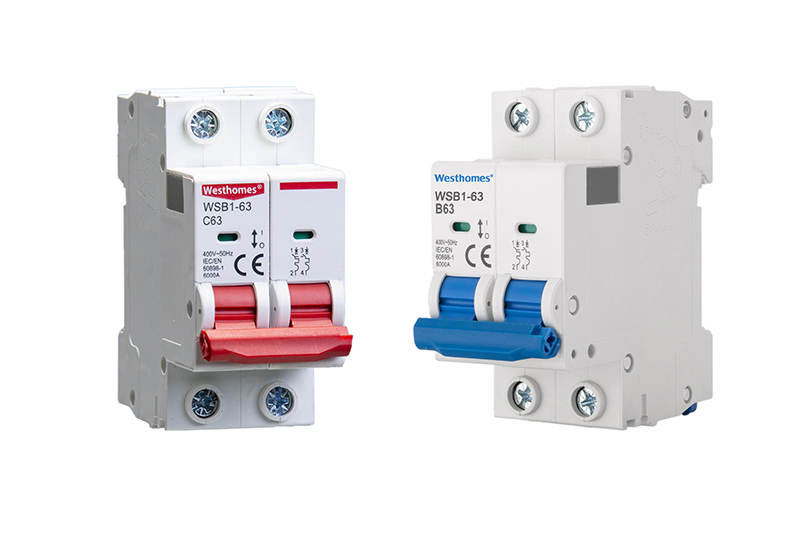
What Is the Typical Lifespan of a Circuit Breaker?
The lifespan of a circuit breaker can be measured in two ways:
- Service Life (Years)
- Mechanical Life (Operating Cycles)
Generally speaking:
| Breaker Type | Typical Service Life |
| Miniature Circuit Breaker (MCB) | 15–25 Years |
| Molded Case Circuit Breaker (MCCB) | 20–30 Years |
| Air Circuit Breaker (ACB) | 20–40 Years |
| Industrial Power Breakers | 25+ Years |
However, actual lifespan depends heavily on operating conditions rather than age alone.
Mechanical Life vs Electrical Life
Many users assume that a circuit breaker’s lifespan is determined only by years of service. In reality, manufacturers usually specify two separate ratings: mechanical life and electrical life.
Mechanical life refers to the number of times a breaker can be switched ON and OFF without carrying fault current.
Electrical life refers to the number of operations the breaker can perform while interrupting load current or fault current.
For example, an MCB may have:
- Mechanical Life: 20,000 operations
- Electrical Life: 10,000 operations
Because interrupting electrical current creates heat and arcing, electrical life is always lower than mechanical life.
Factors That Affect Circuit Breaker Lifespan
Although circuit breakers are designed for long-term operation, their actual lifespan can vary significantly depending on how and where they are used. A breaker installed in a clean, stable electrical system may operate reliably for decades, while one exposed to frequent faults, harsh environments, or poor maintenance may fail much sooner.
Understanding the factors that influence circuit breaker lifespan helps facility managers, electricians, and homeowners reduce unexpected failures and maximize the value of their electrical equipment.
1. Frequency of Operation
Every time a circuit breaker is switched on or off, its internal mechanical components move and experience a small amount of wear. Although modern breakers are designed to withstand thousands of operating cycles, frequent switching gradually wears down springs, latches, operating mechanisms, and contact surfaces.
Breakers used as daily switching devices—such as those controlling lighting systems, machinery, or industrial equipment—typically reach their mechanical lifespan faster than breakers that remain closed for long periods.
Examples include:
- Frequently switched lighting circuits
- Industrial machinery control circuits
- Equipment requiring regular isolation
2. Overload Conditions
Circuit breakers are designed to trip when the current exceeds the rated value for a prolonged period. While occasional overload protection is part of normal operation, repeated overload conditions generate excessive heat inside the breaker.
Over time, this heat can degrade insulation materials, weaken springs, and accelerate contact wear. If overload trips occur regularly, it may indicate that the circuit is undersized or carrying more load than originally intended.
Common consequences include:
- Increased internal temperature
- Premature insulation aging
- Reduced operating reliability
3. Short-Circuit Events
Short circuits are among the most stressful conditions a circuit breaker can experience. During a fault, the breaker may be required to interrupt thousands of amperes within milliseconds.
The interruption process creates intense heat, electromagnetic force, and electrical arcing. Although breakers are specifically designed for this purpose, each short-circuit interruption consumes part of the breaker’s electrical life.
Frequent fault interruptions can significantly shorten service life and may eventually require breaker replacement.
4. Ambient Temperature
Temperature plays a major role in the longevity of electrical equipment. Most circuit breakers are tested under standardized ambient conditions, typically around 30°C to 40°C.
When installed in hot environments such as industrial plants, rooftop electrical cabinets, or poorly ventilated distribution panels, breakers may operate continuously at elevated temperatures.
Excessive heat accelerates insulation deterioration, reduces material strength, and may affect the accuracy of thermal trip mechanisms.
5. Humidity and Corrosion
Moisture is another major factor that can reduce circuit breaker lifespan. High humidity levels can cause oxidation and corrosion on terminals, conductive parts, and internal contacts.
In coastal regions, chemical plants, wastewater facilities, or outdoor installations, corrosive environments may gradually damage metal components and increase electrical resistance.
Over time, corrosion can create overheating problems, poor electrical connections, and unreliable breaker operation.
6. Product Quality and Manufacturing Standards
Not all circuit breakers are built to the same quality level. Product design, material selection, manufacturing processes, and testing standards all have a direct impact on long-term performance.
High-quality breakers that comply with international standards such as IEC 60898-1, IEC 60947-2, UL 489, CE, and CCC certifications typically undergo extensive testing for mechanical endurance, electrical endurance, temperature rise, and fault interruption capability.
Choosing a reputable manufacturer can significantly improve system reliability and reduce long-term maintenance costs.
Quick Summary
The lifespan of a circuit breaker is influenced by both electrical stress and environmental conditions. Frequent operation, overloads, short circuits, high temperatures, humidity, and product quality all play a role in determining how long a breaker will remain reliable.
In many cases, proper installation, routine inspection, and selecting a high-quality breaker are the most effective ways to maximize service life.
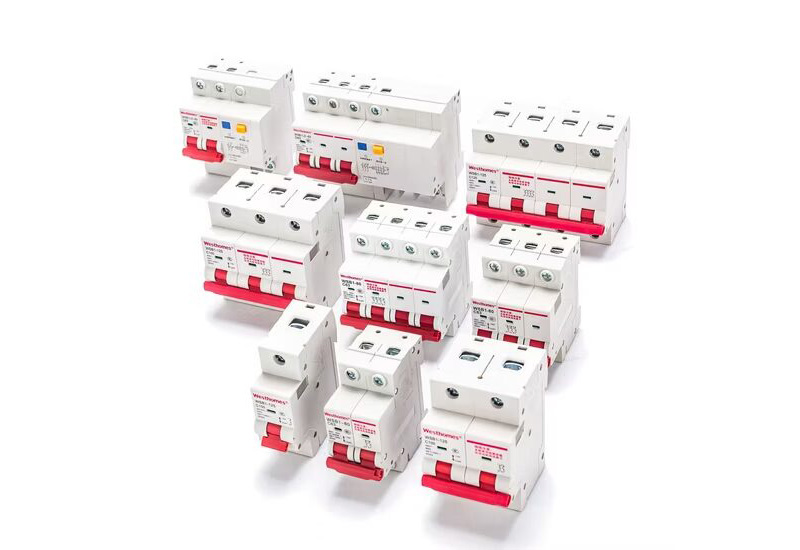
Industrial vs. Residential Circuit Breaker Lifespans
Not all circuit breakers are designed for the same operating environment. Residential and industrial breakers differ significantly in construction, duty cycle, maintenance requirements, and expected service life.
Understanding these differences helps users establish realistic maintenance schedules and replacement plans.
| Breaker Type | Typical Lifespan |
| Residential Circuit Breakers | 15–20 Years |
| MCBs | 15–30 Years |
| MCCBs | 20–30 Years |
| Industrial Power Breakers | 25–40 Years |
| Medium-Voltage Breakers | 30–40 Years |
Why Industrial Breakers Last Longer
Industrial breakers are generally built with:
- Higher-grade contact materials
- Stronger operating mechanisms
- Enhanced arc-extinguishing systems
- Better serviceability and maintenance access
Lifespan Depends on Operating Conditions
Even a high-quality industrial breaker may experience accelerated aging when exposed to:
- Excessive heat
- Moisture
- Corrosive chemicals
- Dust contamination
- Frequent switching operations
Signs a Circuit Breaker May Need Replacement
Circuit breakers are designed to provide years of reliable protection, but like any electrical device, they do not last forever. Over time, repeated operation, electrical faults, environmental conditions, and natural aging can gradually reduce a breaker’s performance and reliability.
In many cases, a failing breaker will show warning signs before it completely stops functioning. Recognizing these symptoms early can help prevent unexpected power outages, equipment damage, and potential electrical hazards. If any of the following issues are observed, the breaker should be inspected by a qualified electrician and replaced if necessary.
Frequent Tripping
Occasional tripping is a normal protective function of a circuit breaker. However, if a breaker begins tripping repeatedly without any obvious overload, short circuit, or equipment fault, it may indicate that the internal protection mechanism is no longer operating correctly.
Aging thermal elements, weakened springs, worn contacts, or damaged trip mechanisms can all cause nuisance tripping. Before replacing the breaker, the connected circuit should be checked to rule out wiring problems or excessive loads. If no external issue is found, the breaker itself may be reaching the end of its service life.
Burn Marks or Discoloration
Visible burn marks, darkened surfaces, or discoloration around the breaker housing are often signs of excessive heat generation. Overheating may result from loose terminal connections, overloaded circuits, deteriorated contacts, or internal component failure.
Even if the breaker still appears to function normally, visible heat damage should never be ignored. Prolonged overheating can weaken insulation materials and increase the risk of electrical failure or fire.
Burning Smell
A burning smell coming from the distribution panel is one of the most serious warning signs. The odor may indicate overheating insulation, damaged contacts, melting plastic components, or electrical arcing inside the breaker.
Unlike some minor electrical issues, a persistent burnt smell should be treated as an urgent safety concern. Power should be isolated if necessary, and the breaker should be inspected immediately to prevent further damage.
Difficulty Resetting After a Trip
After a protective trip, a healthy breaker should normally reset smoothly once the fault has been cleared. If the handle feels loose, sticks in an intermediate position, or repeatedly trips immediately after resetting, the internal operating mechanism may be damaged.
Mechanical wear, spring fatigue, or previous fault events can all affect the breaker’s ability to operate correctly. In such cases, replacement is often the safest solution.
Physical Damage
Any visible physical damage should be considered a strong indication that replacement is necessary. Cracked housings, broken handles, damaged terminals, loose mounting components, or signs of impact can compromise both safety and performance.
Even minor structural damage may affect insulation integrity or prevent the breaker from operating correctly during a fault condition. Continuing to use a physically damaged breaker can increase the risk of equipment failure and electrical hazards.
Unusual Noise or Arcing
Circuit breakers should operate quietly during normal conditions. Buzzing sounds, crackling noises, or visible sparks near the breaker may indicate loose connections, internal contact deterioration, or electrical arcing.
Electrical arcing generates extremely high temperatures and can quickly damage both the breaker and surrounding equipment. If unusual noises or sparking are observed, the breaker should be inspected immediately.
Quick Inspection Checklist
If you notice any of the following symptoms, it may be time to replace the breaker:
✓ Frequent unexplained tripping
✓ Burn marks or discoloration
✓ Burning smell or overheating
✓ Difficulty resetting after a trip
✓ Cracked housing or damaged terminals
✓ Buzzing sounds or visible arcing
Testing Methods to Assess Circuit Breaker Health
Determining whether a circuit breaker is still operating safely requires more than a visual inspection. While external signs such as discoloration, overheating, or frequent tripping may indicate problems, many internal defects cannot be detected without proper testing.
For critical electrical systems, periodic testing helps identify aging components, contact wear, insulation deterioration, and mechanical issues before they lead to unexpected failures. Regular condition assessments can improve system reliability, reduce downtime, and support preventive maintenance planning.
Common Testing Methods
1. Visual Inspection
The simplest assessment method is a visual inspection.
Technicians check for:
- Burn marks
- Discoloration
- Cracked housings
- Loose terminals
- Signs of corrosion
Although basic, visual inspections can quickly reveal obvious signs of deterioration and should be performed regularly.
2. Thermal Imaging Inspection
Thermal imaging uses infrared cameras to identify abnormal temperature rises caused by loose connections, damaged contacts, or excessive resistance.
Hot spots often appear months before a breaker experiences a failure, making thermal inspections one of the most effective predictive maintenance tools available.
3. Contact Resistance Testing
As breaker contacts age, resistance increases due to wear, oxidation, or contamination.
Contact resistance testing measures the electrical resistance across closed contacts and helps identify deteriorating components before excessive heating occurs.
4. Insulation Resistance Testing
Insulation resistance testing evaluates the condition of insulation materials inside the breaker.
Low insulation resistance may indicate moisture intrusion, contamination, or insulation aging, all of which can compromise electrical safety.
5. Trip Function Testing
Trip testing verifies that the breaker opens correctly under overload or fault conditions.
This test confirms that the protection mechanism remains accurate and responsive after years of service.
How to Extend the Life of a Circuit Breaker
Although circuit breakers are designed to operate reliably for many years, their lifespan is not fixed. The actual service life depends heavily on installation quality, operating conditions, environmental factors, and maintenance practices.
The good news is that many premature failures can be avoided through proper inspection, correct product selection, and routine maintenance. By following a few best practices, homeowners, electricians, and facility managers can significantly improve breaker reliability, reduce unexpected downtime, and extend the overall lifespan of the electrical system.
Regular Inspection
Routine inspections are one of the simplest and most effective ways to extend the life of a circuit breaker. Over time, vibration, temperature fluctuations, and normal wear can loosen connections or affect internal components.
Periodic inspections help identify potential issues before they become serious failures. During inspections, users should check for loose terminals, signs of overheating, unusual noises, corrosion, discoloration, or damage to the operating mechanism.
For commercial and industrial installations, a preventive maintenance schedule can greatly improve long-term system reliability.
Avoid Long-Term Overloading
Circuit breakers are designed to protect electrical circuits from overload conditions, but frequent or continuous overloading can gradually shorten their lifespan.
When a breaker operates near or above its rated current for extended periods, excessive heat is generated inside the device. This heat accelerates insulation aging, weakens springs, and increases contact wear.
To maximize service life, the normal operating current should remain comfortably within the breaker’s rated capacity. If overload trips occur regularly, it may be necessary to redistribute loads or upgrade the electrical system.
Select the Correct Breaker
Choosing the right breaker from the beginning is one of the most important factors affecting long-term reliability.
Many electrical problems occur because the breaker’s specifications do not match the application requirements. Factors such as rated current, breaking capacity, voltage rating, pole configuration, and trip curve should all be considered during the selection process.
For example, installing a D-curve breaker in a standard lighting circuit or using a breaker with insufficient breaking capacity can lead to poor protection performance and unnecessary stress on the equipment.
Maintain a Suitable Operating Environment
Environmental conditions have a significant impact on breaker performance and longevity. High temperatures, excessive dust, humidity, corrosive gases, and poor ventilation can all accelerate component deterioration.
Whenever possible, breakers should be installed in clean, dry, and well-ventilated locations. Electrical panels should be kept free from dust buildup, and outdoor installations should use properly rated enclosures to protect against moisture and environmental contamination.
A stable operating environment helps reduce thermal stress and prolongs the life of internal components.
Replace Aging or Damaged Breakers Promptly
One of the biggest mistakes in electrical maintenance is waiting until a breaker completely fails before replacing it.
Circuit breakers often provide warning signs long before total failure occurs. Frequent tripping, overheating, unusual noises, physical damage, and difficulty resetting are all indications that replacement may be necessary.
Replacing aging breakers proactively can help prevent unexpected outages, equipment damage, and costly emergency repairs.
Use Quality Products from Reputable Manufacturers
The lifespan of a circuit breaker begins with its design and manufacturing quality. Products manufactured according to internationally recognized standards typically undergo extensive testing for mechanical endurance, electrical endurance, insulation performance, and fault interruption capability.
High-quality breakers often provide more stable performance, better protection accuracy, and longer service life under real-world operating conditions.
Quick Maintenance Checklist
To maximize circuit breaker lifespan, follow these simple recommendations:
✓ Inspect breakers and terminals regularly
✓ Avoid operating near maximum load for long periods
✓ Select the correct breaker specifications
✓ Keep panels clean, dry, and well ventilated
✓ Replace damaged or aging breakers promptly
✓ Use certified products from reputable manufacturers
Key Takeaways: Circuit Breakers

Proper installation, correct sizing, and regular maintenance can significantly extend service life.

These symptoms may indicate internal wear, deteriorating components, or reduced protection capability.

High temperatures, humidity, dust, corrosion, overloads, and repeated short-circuit events all accelerate aging.

Rated current, breaking capacity, trip curve, voltage rating, and certification standards should all match the application requirements.

Identifying problems early allows maintenance teams to replace aging breakers before serious issues occur.

Products manufactured to international standards such as IEC, UL, CE, or CCC generally provide better performance throughout their service life.
Quick Tip
A circuit breaker should not be replaced simply because of its age—but it should never be ignored when warning signs appear. Regular inspection and preventive maintenance remain the most effective ways to maximize electrical safety and equipment lifespan.
Frequently Asked Questions (FAQ)
Q How often should circuit breakers be replaced?
Most breakers do not require replacement on a fixed schedule. However, units older than 20–30 years should be inspected regularly.
Q Can a circuit breaker last 40 years?
Some industrial breakers can, but performance testing is recommended as equipment ages.
Q Does frequent tripping damage a breaker?
Yes. Repeated trips accelerate wear on contacts and internal mechanisms.
Q Is an old breaker dangerous?
Potentially. Aging breakers may fail to trip correctly during faults.
Conclusion
The lifespan of a circuit breaker depends on far more than its age. Factors such as operating frequency, fault interruptions, environmental conditions, and product quality all play a crucial role in determining long-term performance.
Understanding the difference between mechanical life and electrical life, recognizing signs of deterioration, and performing regular maintenance can help ensure reliable protection for years to come.
Choosing high-quality circuit breakers from trusted manufacturers is one of the most effective ways to maximize safety, reliability, and overall service life.

--- END ---
In this blog
Featured Articles
Get A Free Quote
