Get quick appointment for technical support!

Preventive Maintenance Checklist for Low Voltage Switchgear
Jul 14, 2026
Introduction
Low-voltage switchgear is the backbone of electrical distribution, supplying power to residential buildings, commercial facilities, industrial plants, hospitals, data centers, and other critical infrastructure. It integrates circuit breakers, busbars, protection devices, and control components to distribute electricity while protecting equipment and personnel from overloads, short circuits, and other electrical faults. Although switchgear is designed for long-term operation, its performance gradually declines through aging components, loose connections, dust accumulation, moisture, vibration, and normal mechanical wear.
Preventive maintenance catches these issues before they become unexpected failures or costly downtime. Through regular inspections, testing, cleaning, and verification of protection devices, maintenance teams keep systems running reliably, extend equipment life, and maintain safe operating conditions. This guide provides a practical checklist covering inspection procedures, recommended intervals, common problems, and field-tested approaches for keeping electrical distribution systems in good working order.
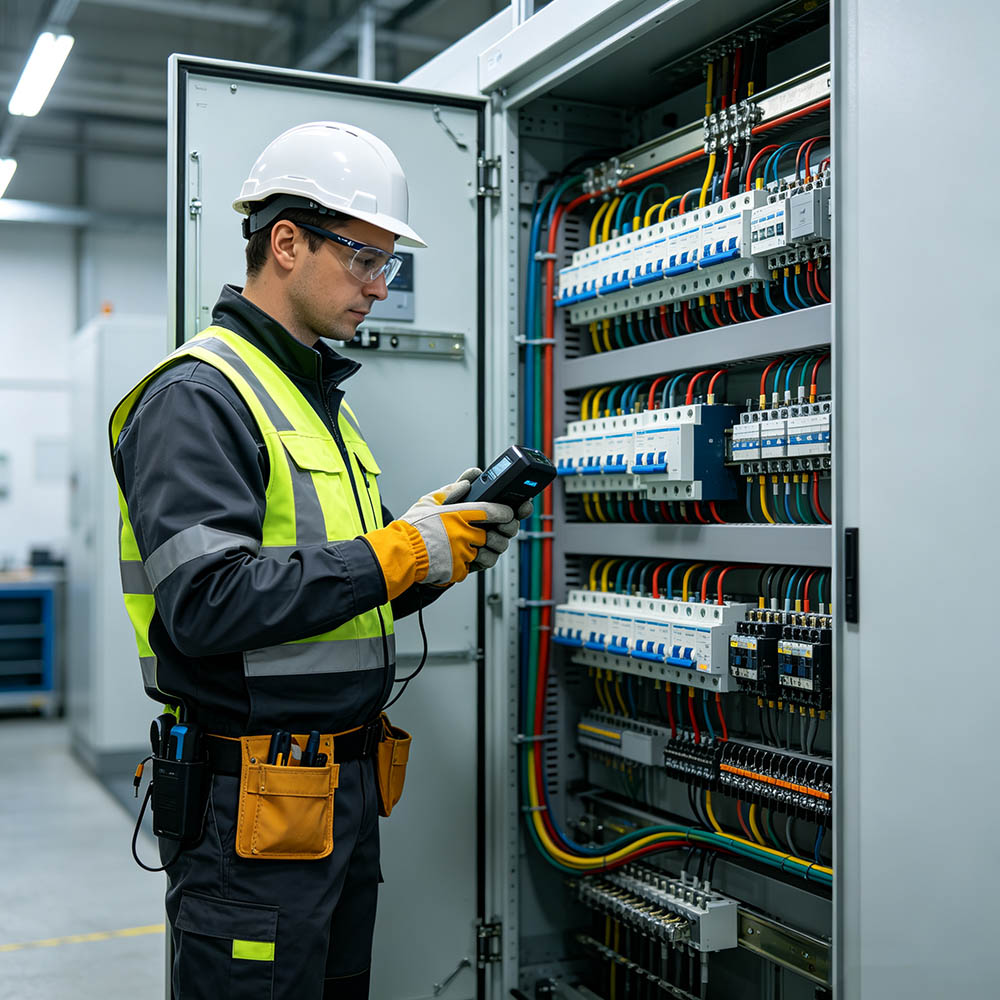
What Is Preventive Maintenance for Low Voltage Switchgear?
Planned Maintenance vs. Reactive Repairs
Preventive maintenance refers to planned inspection, testing, cleaning, adjustment, and servicing carried out at regular intervals. Unlike reactive maintenance, performed only after a failure occurs, preventive maintenance focuses on identifying potential problems before they become equipment damage or unexpected outages.
What the Process Covers
For low-voltage switchgear, preventive maintenance goes well beyond a simple visual check. It covers circuit breakers, busbars, cable connections, insulation condition, mechanical operating mechanisms, protective devices, and auxiliary components. Routine work includes cleaning accumulated dust, tightening connections, verifying protection settings, and testing the functionality of critical equipment.
Why Preventive Maintenance Matters
The Cost of Neglect
Low-voltage switchgear is expected to operate continuously for many years, carrying varying electrical loads under different environmental conditions. During normal operation, connections loosen from thermal expansion and vibration, insulation materials age, and mechanical components wear. Without regular attention, these small issues accumulate and eventually lead to equipment failure, production interruptions, or safety incidents.
Catching Problems Early
Preventive maintenance spots abnormal conditions before they become serious. Early detection of overheating, insulation deterioration, loose terminals, or mechanical wear allows repairs during planned shutdowns rather than emergency situations.
Regular maintenance delivers several long-term gains:
- Fewer unexpected failures by catching developing faults before they interrupt operation
- More reliable power distribution through consistent system condition
- Lower costs by avoiding extensive repairs from neglected problems
- Sustained protection performance by keeping circuit breakers and protective devices operating correctly
- Safer workplaces through reduced risk of electrical faults leading to equipment damage or hazards
- Longer switchgear service life through routine cleaning, inspection, and timely component replacement
Rather than viewing maintenance as an added expense, facilities that treat it as a long-term investment see less downtime, better operational efficiency, and stronger protection of their electrical infrastructure.
Safety Precautions Before Maintenance
Before any maintenance work begins, follow established safety procedures. Low-voltage switchgear may still hold hazardous energy even after the incoming supply is disconnected. Isolation and verification protect maintenance personnel from electrical shock, arc flash, and unexpected equipment operation.
The following safety practices are standard before performing maintenance on low-voltage switchgear:
Lockout / Tagout (LOTO)
Disconnect all power sources supplying the switchgear and apply lockout/tagout procedures to prevent accidental re-energization during maintenance.
Verify the Absence of Voltage
Use rated test instruments to confirm all circuits are completely de-energized before touching any conductors or internal components.
Wear Appropriate Personal Protective Equipment (PPE)
Depending on the task and site risk assessment, wear suitable PPE such as insulated gloves, safety glasses, arc-rated clothing, helmets, and insulated footwear.
Review Electrical Documentation
Check the latest single-line diagram, equipment drawings, and maintenance records to understand the switchgear configuration and identify the circuits involved.
Inspect Maintenance Tools
Verify that all test instruments, insulated tools, and measuring equipment are suitable for the voltage level and in good working condition.
Follow Site Safety Procedures
Comply with company safety policies and applicable electrical safety standards such as NFPA 70E or local regulations before beginning maintenance work.
Taking time to complete these safety preparations reduces unnecessary risks and creates a safer working environment for maintenance personnel.
Preventive Maintenance Checklist
A preventive maintenance program should cover every major component inside the switchgear, not just the circuit breakers. Mechanical parts, electrical connections, insulation systems, and protective devices all contribute to overall equipment reliability. A systematic inspection catches developing issues before they affect normal operation or lead to unexpected downtime.
The following checklist outlines the main inspection items typically included during routine maintenance of low-voltage switchgear.
Visual Inspection
A visual inspection is usually the first step. Many developing problems are apparent without dismantling the switchgear: signs of overheating, contamination, corrosion, or physical damage. During inspection, examine the overall condition of the enclosure and verify that external components are in good condition.
Typical inspection items:
- Cabinet condition
- Signs of corrosion or rust
- Paint damage
- Dust accumulation
- Moisture or water ingress
- Ventilation openings
- Cooling fans
- Equipment labels
- Indicator lamps
- Unusual odors or discoloration
Record and investigate any abnormal findings before returning the equipment to service.
Mechanical Inspection
Mechanical components are operated every time the switchgear is opened, closed, or isolated. Repeated operation causes wear, misalignment, or reduced performance over time. Regular inspection keeps moving parts operating smoothly.
Typical inspection items:
- Door hinges
- Door locks
- Mechanical interlocks
- Operating handles
- Spring charging mechanisms
- Breaker operating mechanism
- Lubrication condition
- Signs of abnormal wear
If any component shows excessive wear or restricted movement, perform maintenance or replacement according to the manufacturer’s recommendations.
Electrical Connection Inspection
Loose electrical connections are one of the most common causes of overheating inside switchgear. Continuous thermal cycling, vibration, and load variations gradually reduce the clamping force of terminals. During maintenance, inspect and verify all accessible electrical connections:
- Busbar joints
- Cable terminals
- Terminal torque
- Neutral conductors
- Protective earth (PE) conductors
- Signs of overheating
- Discoloration around terminals
Correct loose or overheated connections immediately to prevent further deterioration.
Circuit Breaker Inspection
Circuit breakers are among the most frequently operated components in low-voltage switchgear. Verify their mechanical operation and protective functions regularly. Maintenance should include inspection of Miniature Circuit Breakers (MCBs), Molded Case Circuit Breakers (MCCBs), Air Circuit Breakers (ACBs), RCBOs, and RCCBs.
Typical inspection items:
- Contact condition
- Mechanical operation
- Opening and closing performance
- Trip mechanism
- Auxiliary contacts
- Visible damage
- Signs of overheating
Any breaker showing abnormal operation or excessive wear should be tested further or replaced.
Busbar Inspection
Busbars carry the main current throughout the switchgear and must remain mechanically secure and electrically sound. Deterioration at busbar joints increases resistance and generates excessive heat.
Inspect the following:
- Busbar surface condition
- Oxidation
- Joint tightness
- Insulation barriers
- Signs of overheating
- Mechanical deformation
Investigate thermal discoloration or loose joints immediately.
Insulation Testing
Insulation testing evaluates the condition of insulation materials within low-voltage switchgear. Over time, insulation resistance decreases due to aging, moisture, contamination, or thermal stress. Periodic testing identifies deterioration before it leads to equipment failure or electrical faults.
An insulation resistance tester (commonly known as a Megger) measures insulation resistance between conductors and earth, as well as between different phases. Test only after the equipment has been completely isolated and verified de-energized.
Typical inspection items:
- Insulation resistance values
- Phase-to-phase insulation
- Phase-to-earth insulation
- Moisture contamination
- Damaged insulation materials
- Comparison with previous test records
Recording insulation resistance values over time identifies gradual changes and supports predictive maintenance planning.
Thermal Inspection
Temperature is often an early indicator of electrical problems. Infrared thermography allows detection of abnormal heating without interrupting system operation, making it one of the most effective predictive maintenance techniques.
Thermal inspections commonly identify loose connections, overloaded circuits, unbalanced loads, and deteriorating components before visible damage appears.
Typical inspection items:
- Cable terminals
- Busbar joints
- Circuit breaker terminals
- Fuse connections
- Power cable connections
- Temperature differences between phases
- Localized hot spots
Investigate any abnormal temperature rise promptly to determine its cause and prevent further deterioration.
Functional Testing
Visual inspections alone cannot confirm that switchgear will operate correctly during a fault. Functional testing verifies that mechanical and electrical protection systems respond as intended.
Typical functional tests include:
- Manual opening and closing of circuit breakers
- Trip mechanism verification
- Auxiliary contact operation
- Protection relay testing
- Indicator lamp operation
- Meter verification
- Alarm system testing
Investigate any abnormal operation before returning the equipment to service.
Cleaning
Dust, dirt, and moisture reduce insulation performance and affect switchgear operation. Regular cleaning maintains ventilation, improves heat dissipation, and reduces the likelihood of insulation-related problems.
Use methods appropriate for electrical equipment to avoid damaging sensitive components.
Typical cleaning tasks:
- Removing dust from internal surfaces
- Cleaning ventilation openings
- Inspecting cooling fans
- Cleaning insulation barriers
- Removing debris around cable entries
- Replacing or cleaning air filters where applicable
Always perform cleaning after the equipment has been isolated and made safe for maintenance.
Maintenance Frequency Recommendations
Factors That Influence Scheduling
The appropriate maintenance interval depends on operating conditions, environmental factors, load level, and manufacturer recommendations. Switchgear in dusty, humid, corrosive, or high-load environments requires more frequent inspections than equipment operating under normal indoor conditions.
Suggested Inspection Intervals
The following table provides a general reference for preventive maintenance scheduling:
| Maintenance Task | Suggested Frequency |
|---|---|
| Visual inspection | Monthly |
| Cleaning | Every 3–6 months |
| Electrical connection inspection | Annually |
| Thermal imaging inspection | Annually |
| Insulation resistance testing | Annually |
| Functional testing | Annually |
| Comprehensive preventive maintenance | Every 1–3 years |
Common Problems Found During Maintenance
Routine maintenance often reveals issues not obvious during normal operation. While many of these problems develop gradually, identifying them early allows corrective action before equipment failure or unplanned downtime.
Loose Electrical Connections
Thermal expansion, vibration, and repeated load changes gradually loosen terminals and busbar joints. Loose connections increase contact resistance, generating excessive heat and possible damage to conductors or insulation.
Dust Accumulation
Dust inside switchgear restricts ventilation and may reduce insulation performance. In humid environments, dust absorbs moisture and increases the possibility of insulation breakdown or tracking.
Overheating
Localized overheating is often associated with loose terminals, overloaded circuits, or deteriorated contacts. Thermal imaging inspections detect these conditions before visible damage occurs.
Insulation Aging
Insulation materials naturally deteriorate over time due to heat, environmental conditions, and electrical stress. Cracked or brittle insulation increases the likelihood of electrical faults.
Corrosion and Moisture
High humidity or corrosive environments cause rust, oxidation, and deterioration of conductive surfaces. Moisture also reduces insulation resistance and affects protective device performance.
Mechanical Wear
Frequent switching operations gradually wear operating mechanisms, springs, hinges, and interlocks. Repair or replace components showing excessive wear during scheduled maintenance.
Documentation and Maintenance Records
Why Records Matter
Accurate maintenance records are a foundational part of an effective program. Detailed inspection and testing data allows teams to monitor equipment condition over time, compare historical results, and identify developing trends before failures occur.
What to Document
Maintenance documentation typically includes:
- Equipment identification
- Inspection date
- Maintenance personnel
- Test results
- Thermal imaging records
- Insulation resistance values
- Repairs performed
- Components replaced
- Recommended follow-up actions
- Next scheduled inspection
Well-maintained records simplify future troubleshooting, support maintenance planning, and provide useful information for equipment lifecycle management.
WESTHOMES Low Voltage Circuit Protection Solutions
The Role of Protection Devices in Switchgear
Low-voltage switchgear depends on high-quality protection devices for safe and reliable power distribution. WESTHOMES offers a full range of low-voltage circuit protection products for residential, commercial, industrial, and infrastructure applications.
Recommended Products
Products suited for switchgear applications include:
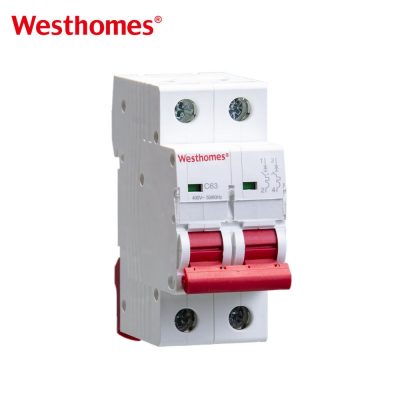
- MCB – Overload and short-circuit protection for branch circuits
- MCCB – Higher-current distribution with adjustable protection characteristics
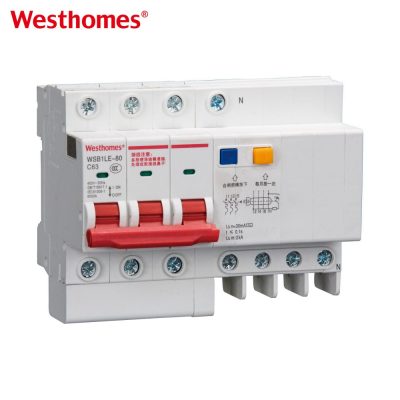
- RCBO – Combined overload, short-circuit, and earth leakage protection in a single device
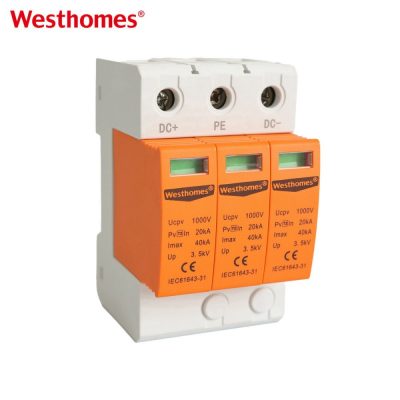
- SPD – Protection against lightning-induced and switching surge voltages
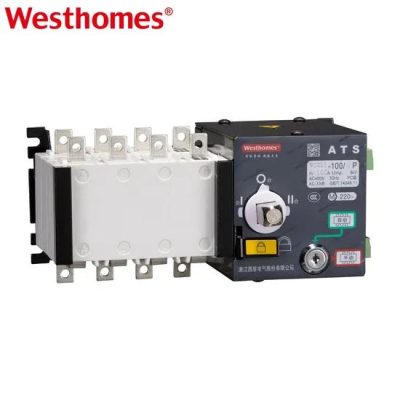
- ATS – Automatic transfer between normal and backup power sources for supply continuity
Practices for Long-Term Switchgear Reliability
Building a Sustainable Maintenance Routine
Maintaining low-voltage switchgear is an ongoing process, not a one-time task. Consistent practices reduce equipment deterioration and support reliable operation throughout the installation life cycle.
Key Actions for Reliability
To improve long-term reliability, maintenance personnel should establish a scheduled maintenance program, inspect connections regularly, monitor operating temperatures using thermal imaging, keep switchgear interiors clean and dry, and replace worn or damaged components before they affect system performance. Recording inspection results and reviewing historical maintenance data also identifies recurring issues and improves future maintenance planning.
Following manufacturer recommendations, applicable industry standards, and site-specific operating requirements further supports safe operation and minimizes the likelihood of unexpected failures.
Applications
How Environment Shapes Maintenance Priorities
Although the maintenance principles are generally similar, inspection priorities vary depending on where the switchgear is installed. Environmental conditions, load characteristics, and operating schedules all influence maintenance planning.
Maintenance Focus by Industry
The following table shows typical maintenance focus areas by application:
| Application | Typical Maintenance Focus |
|---|---|
| Manufacturing Plants | Heavy load operation, busbar temperature, breaker wear |
| Commercial Buildings | Distribution reliability, cable connections, circuit breakers |
| Hospitals | Continuous power availability, ATS testing, protection devices |
| Data Centers | Thermal monitoring, power continuity, insulation condition |
| Water Treatment Plants | Moisture protection, corrosion inspection, enclosure sealing |
| Renewable Energy Systems | Environmental inspection, connection integrity, surge protection |
Common Maintenance Mistakes
Avoidable Errors in Practice
Even with a preventive program in place, poor maintenance practices reduce equipment reliability and increase the likelihood of unexpected failures.
Mistakes to Watch For
Avoiding these common mistakes improves maintenance quality and extends switchgear service life:
- Skipping scheduled inspections, allowing minor defects to develop into larger problems
- Ignoring abnormal temperatures identified during thermal inspections
- Failing to verify terminal torque after maintenance or equipment replacement
- Using incorrect replacement parts that do not match original equipment specifications
- Cleaning with unsuitable materials that may damage insulation or electrical components
- Poor maintenance documentation, making it difficult to track equipment condition over time
- Performing maintenance without isolation procedures, increasing safety risks
Standardized maintenance procedures and following manufacturer recommendations can drastically reduce these problems.
Standards and Maintenance Guidelines
Why Standards Matter for Maintenance
Preventive maintenance should follow recognized industry standards and manufacturer recommendations. These standards provide guidance for equipment installation, operation, inspection, testing, and maintenance.
Key Standards Reference
Some commonly referenced standards include:
| Standard | Description |
|---|---|
| IEC 61439 | Low-voltage switchgear and controlgear assemblies |
| IEC 60947 Series | Low-voltage switchgear and controlgear requirements |
| IEC 60898 | Circuit breakers for household and similar installations |
| IEC 61009 | RCBOs with integrated overcurrent protection |
| NFPA 70 | National Electrical Code (NEC) |
| NFPA 70E | Electrical safety in the workplace |
| ANSI/NETA MTS | Standard for maintenance testing specifications |
Frequently Asked Questions
Conclusion
Preventive maintenance is one of the most effective approaches to improving the reliability and service life of low-voltage switchgear. Regular inspections, testing, cleaning, and timely corrective actions catch developing issues before they lead to equipment failures or unplanned downtime. A structured maintenance program keeps power distribution stable, reduces costs, and improves workplace safety.
By following a systematic maintenance checklist, keeping accurate records, and complying with applicable industry standards, facility operators can maintain the long-term performance of their electrical distribution systems. Consistent preventive maintenance protects switchgear and connected equipment while contributing to safer and more reliable operation across residential, commercial, and industrial applications.

--- END ---
In this blog
Featured Articles
Get A Free Quote
Related Products