Get quick appointment for technical support!

Can Miniature Circuit Breakers Be Used in Outdoor Electrical Installations?
May 17, 2026
We all love a beautifully lit backyard, a functioning garden fountain, or a relaxing evening on the patio. When planning these exterior upgrades, a common question pops up. Can you use miniature circuit breakers in outdoor electrical installations? The short answer is an absolute yes.
However, taking a breaker designed for a dry indoor hallway and mounting it directly on a rainy exterior wall is a recipe for disaster. If you want to run power safely to your garden or pool area, there are very specific rules you must follow. Let us walk through the exact requirements to keep your outdoor power grid perfectly safe and fully functional.
The Golden Rule of Outdoor Enclosures
The biggest enemy of any electrical component is moisture. A standard miniature circuit breaker is completely naked against the elements. Therefore, if you want to use one outside, it must be housed in a specialized weather resistant enclosure.
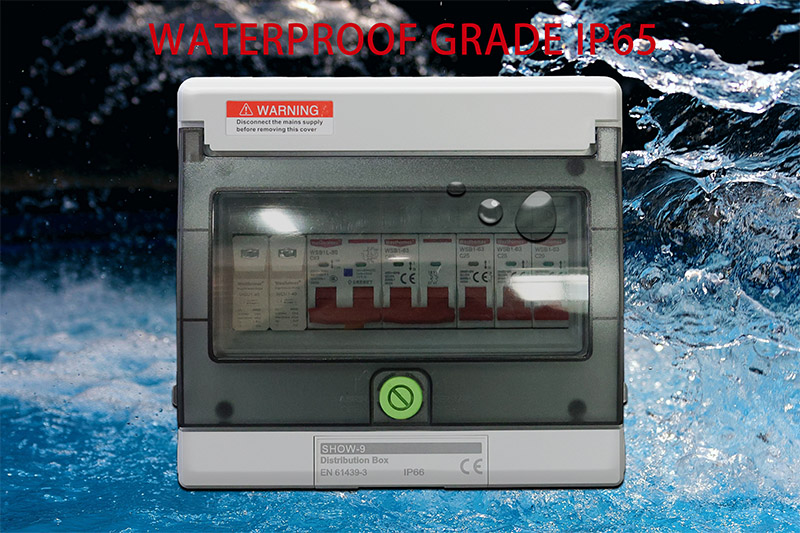
You cannot just use any standard plastic box from the hardware store. You need an enclosure with a high Ingress Protection rating, specifically IP65 or higher. This specific rating guarantees that the box is tightly sealed against blasting water jets and microscopic dust particles.
Furthermore, the housing must be built with heavy duty materials to survive freezing winters, baking summer heat, and natural environmental corrosion.
Why Standard Breakers Are Not Enough
Here is where many people make a critical mistake. A standard breaker only protects your wires from overheating during an overcurrent event or a short circuit. It does not protect human beings from electric shocks.
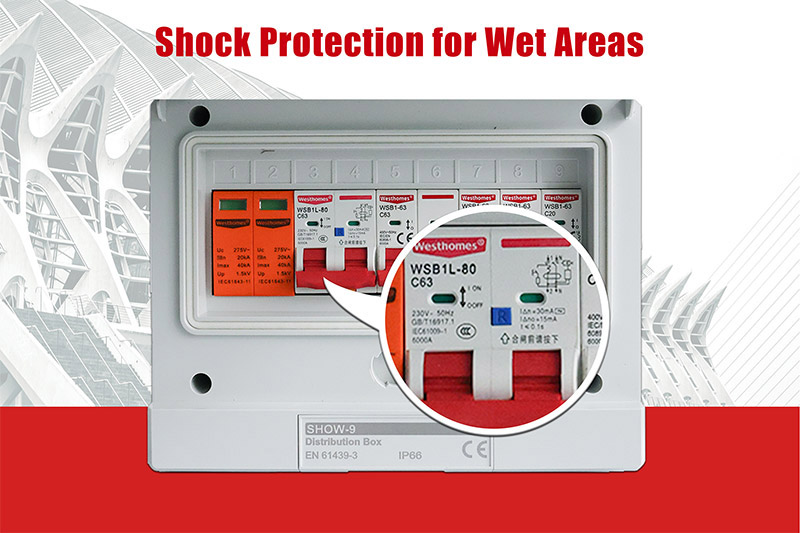
When you are dealing with wet outdoor environments, water acts as a perfect electrical conductor. For any exterior circuits, it is highly recommended to upgrade to an RCBO rather than using a standard breaker. An RCBO is a Residual Current Breaker with Overload.
It combines standard wire protection with an advanced residual current device that provides earth leakage detection. This means it will instantly cut the power if stray electricity tries to shock you. For outdoor safety, this device is an absolute lifesaver.
Smart Setup Practices
When setting up your yard, you usually do not need a massive panel. Many homeowners use small two way weatherproof boxes. These compact units are perfect for isolating specific exterior zones. They allow you to manage your patio outlets and your lawn tools independently without affecting the power inside your main house.
Additionally, always make sure the components you purchase strictly comply with international electrical safety standards such as IEC 60898. Buying quality verified parts ensures they will actually perform exactly when a fault occurs.
Common Outdoor Applications
So, what exactly can you power with these protected exterior setups? The applications are practically endless.
- Exterior Lighting: These setups are perfect for controlling heavy duty security floods and decorative landscape pathways.
- Water Pumps and Tools: A protected exterior box is essential for safely running high power pond pumps, swimming pool filters, and heavy duty garden equipment.
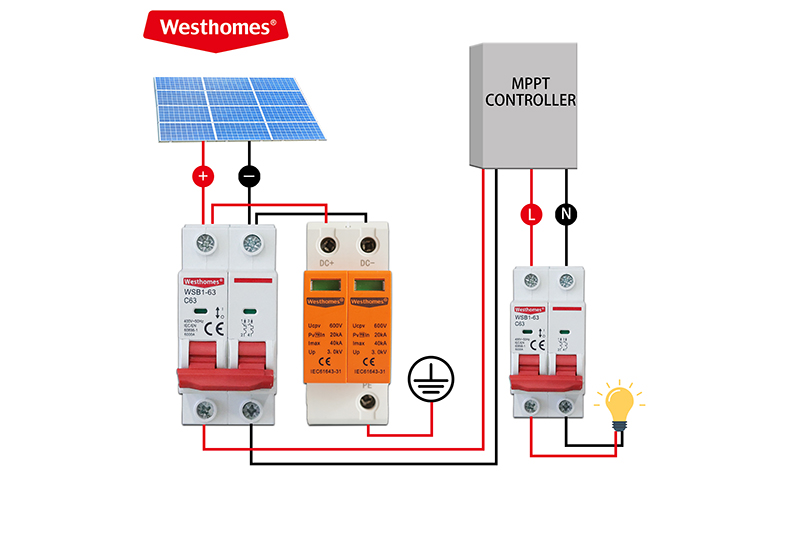
- Solar Power Systems: If you have photovoltaic panels on your roof, you will use specialized DC miniature circuit breakers mounted in outdoor arrays to safely manage the direct current coming from the sun.
Frequently Asked Questions
1. What does IP65 actually mean?
The letters stand for Ingress Protection. The number six means the box is completely dust tight, and the five means it can easily survive low pressure water jets from any direction.
2. Can I put a regular indoor breaker box outside if it is under a roof?
Absolutely not. Even if it is covered by a porch roof, morning dew, heavy fog, and blowing rain can easily penetrate a standard indoor panel and cause a massive short circuit.
3. Why does my outdoor breaker keep tripping after a heavy rainstorm?
This is an incredibly common issue. Even if your breaker box is perfectly sealed, water might be leaking into your garden lights or exterior wall outlets. When moisture touches the live wires inside those fixtures, your safety breaker instantly detects the dangerous leak and trips the power to keep you safe.
4. What is the best material for an outdoor electrical enclosure?
You generally want UV resistant polycarbonate plastic or high grade stainless steel. Standard cheap plastics will quickly become brittle and crack under direct sunlight, which completely destroys the waterproof seal.
5. How often should I inspect my exterior electrical panel?
You should visually inspect the box at least twice a year. Check for any cracking rubber seals, signs of internal condensation, or even insect nests. Spiders and ants love to build homes inside warm electrical boxes, and they can easily cause unexpected short circuits.
6. Are DC breakers for solar panels different from regular AC breakers?
Yes, they are fundamentally different. Direct current behaves differently than alternating current. You must use specialized DC breakers for solar installations to safely extinguish the unique electrical arcs that direct current creates.
Final Thoughts
Expanding your home power grid into the great outdoors opens up a world of backyard possibilities. Just remember that water and electricity are a naturally dangerous combination. Always use a highly rated weatherproof enclosure, seriously consider upgrading to an RCBO for personal shock protection, and never attempt this complex work alone.
Always hire a fully qualified and licensed electrician to ensure your installation meets every single building code. Stay safe, plan carefully, and enjoy your beautifully powered backyard.

--- END ---
In this blog
Featured Articles
Get A Free Quote
