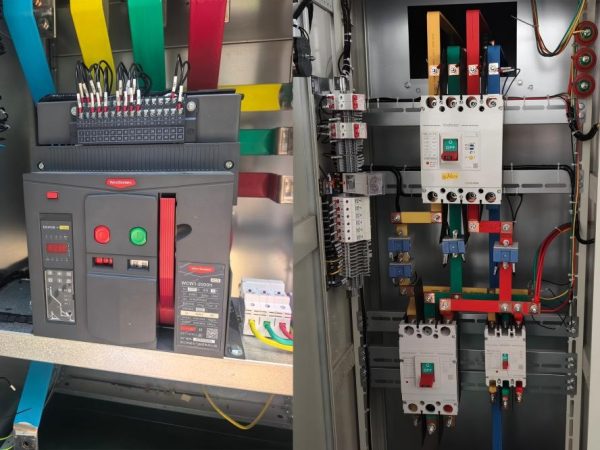
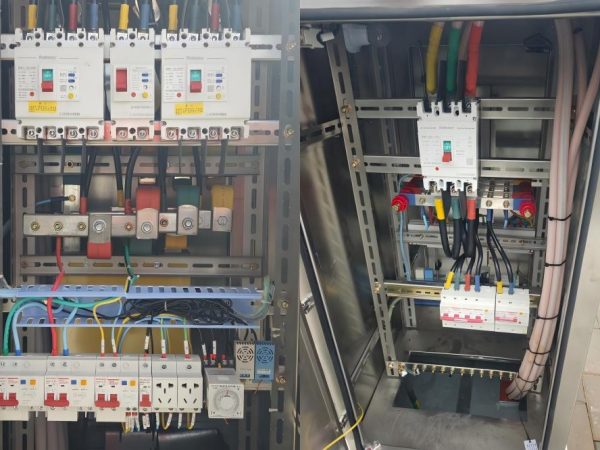
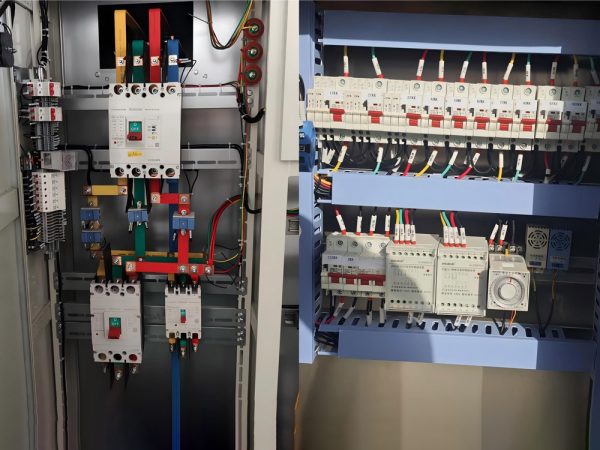
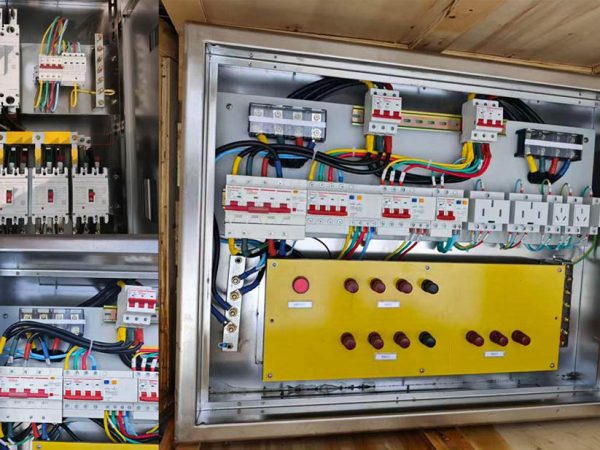
WCU8 Moulded case circuit breaker
WCU8 is one of updated type MCCBs researched and developed by the company by using advanced design and manufacture technology internationally.
Get quick appointment for technical support!

WCU8 is one of updated type MCCBs researched and developed by the company by using advanced design and manufacture technology internationally.


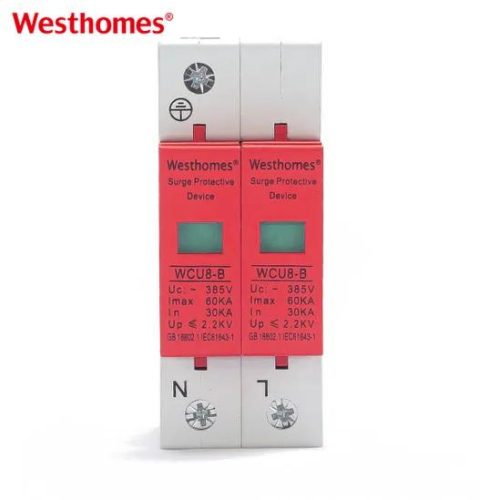
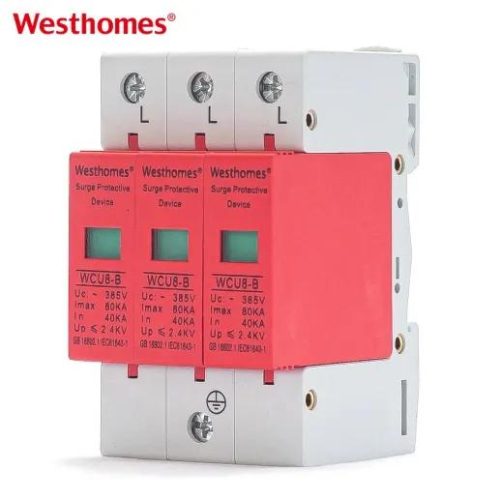
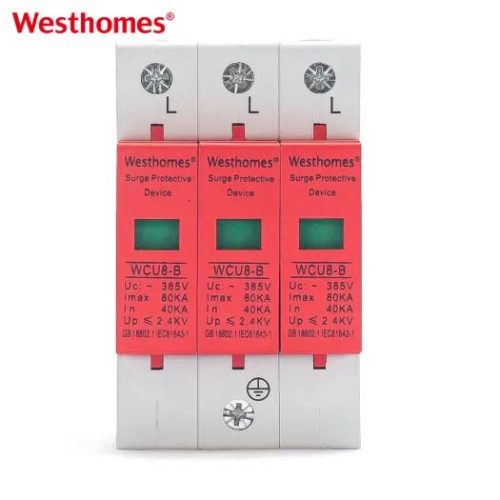
WCU8 is one of updated type MCCBs researched and developed by the company by using advanced design and manufacture technology internationally.
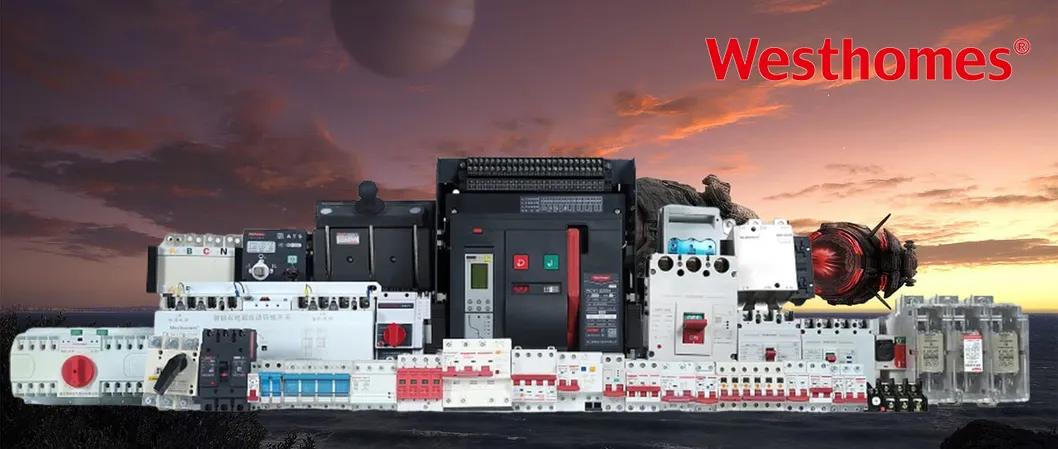
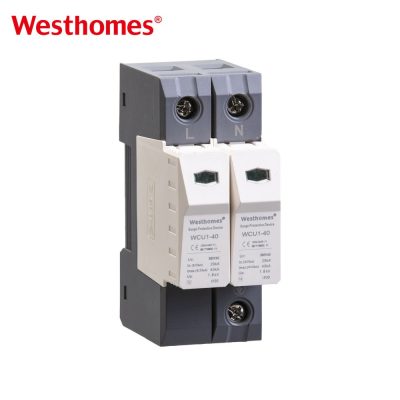
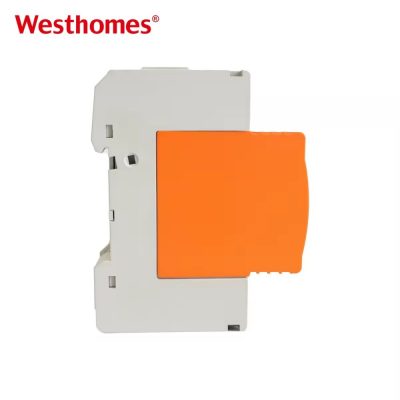
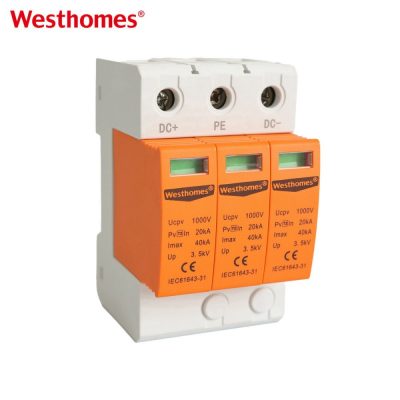
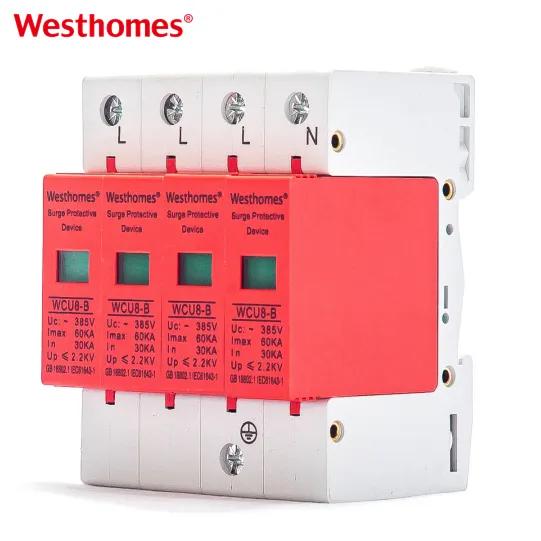
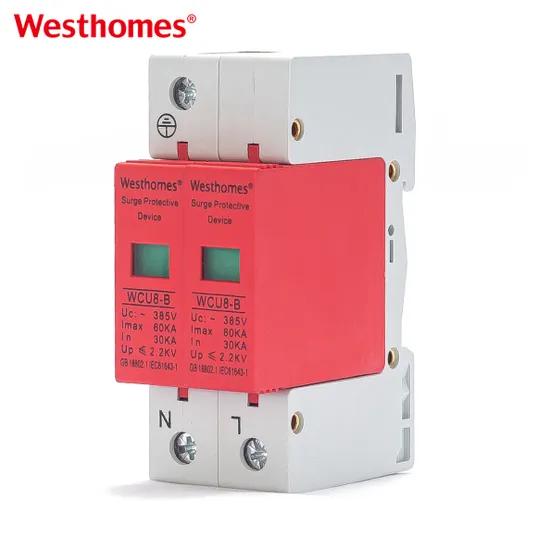
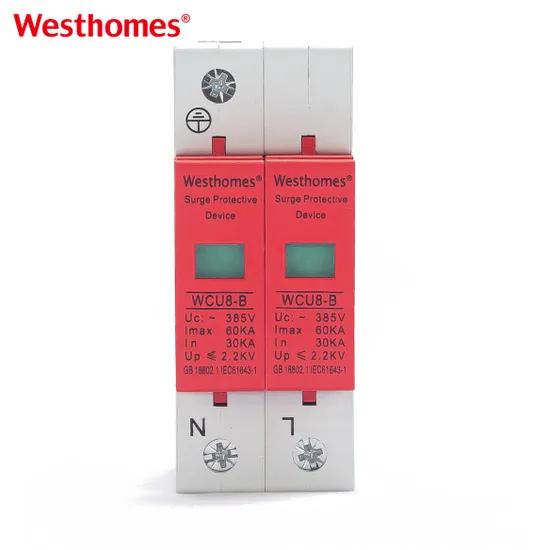
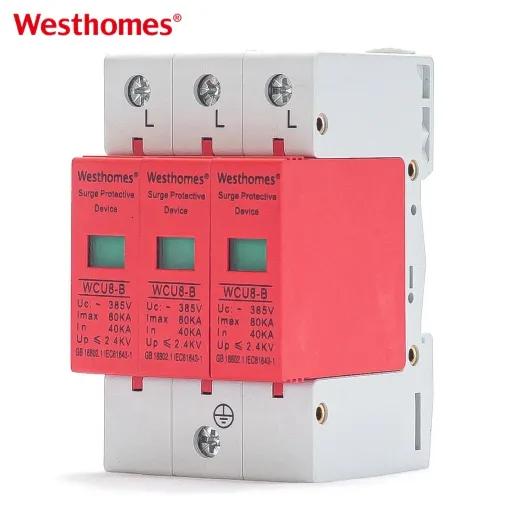
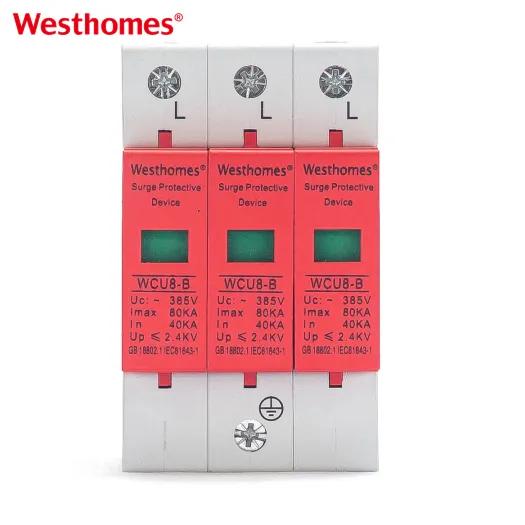
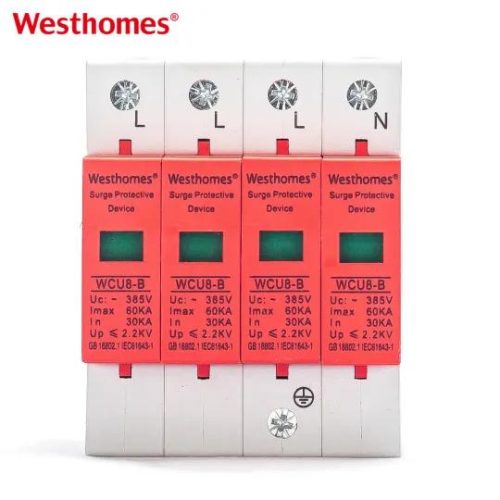
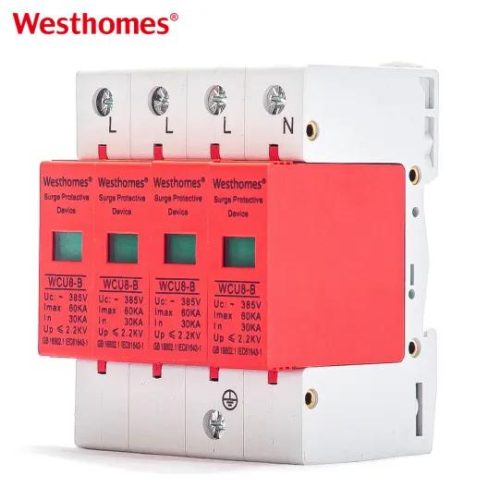
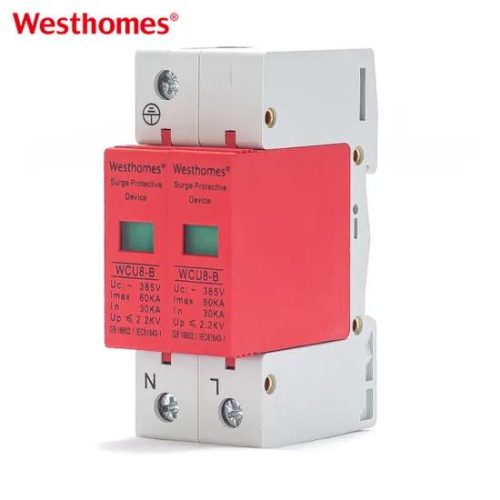
WCU8 series surge arrester mainly applies at power line of AC 50Hz/60Hz, rated operational voltage 230V and 400V to limit instantaneous over-voltage (lightning induction and switching over-voltage). It makes the protected electrical device and parts lower one level at occasion of higher over- voltage category, and lower down the voltage further when appled at terminal to protect devices like TV set, high fidelity sound, air conditioner and computer. It can also matched with other modular and digital electrics to form combination one of lightning proof inductive.
| Pole | 1P, 2P, 3P, 4P |
| Voltage | AC 110/230V/400V |
| kA | 10, 20, 30, 40, 60, 80, 100 |
| Width | 18, 36, 54, 72mm |
| kV | Up≤1.5V–2.5KV |
| Model | WCU8-D10 | WCU8-D20 | WCU8-C30 | WCU8-C40 | WCU8-C60 | WCU8-B80 | WCU8-B100 |
| Rated operation voltage Uo | 230V/400V | 230V/400V | 110V/230V/400V | 230V/400V | 230V/400V | 230V/400V | 230V/400V |
| Max continuous operation voltage Ue | 275V/385V | 320V/385V | 320V, 400V, 420V, 440V | 140V, 320V, 400V, 420V, 440V | 320V, 385V, 420V | 320V, 385V, 420V | 320V, 385V, 420V, 440V |
| Holding level Up | 0.7/1.0kV | 1.2/1.5kV | 1.4/1.8kV | 1.4/2.0kV | 1.5/2.0kV | 2.0/2.4kV | 2.2/2.8kV |
| Max discharge current Imax | 10kA | 20kA | 30kA | 40kA | 60kA | 80kA | 100kA |
| Nominal discharge current | 5kA | 10kA | 15kA | 20kA | 30kA | 40kA | 60kA |
| Response time S | <25 | ||||||
| Operation environment | -40ºC~+85ºC | ||||||
| Selection area of enter wire | 6mm2 | 6mm2 | 10mm2 | 10mm2, 16mm2 | 10mm2, 16mm2 | 10mm2, 16mm2 | 16mm2, 25mm2 |
| Section area of enter ground lead mm2 | 10mm2 | 10mm2 | 16mm2 | 10mm2, 25mm2 | 16mm2, 25mm2 | 25mm2 | 25mm2, 35mm2 |
| Type selection of fuse, circuit breaker | 10A, 16A | 16A, 25A | 25A, 32A | 32A | 32A, 63A | 63A | 63A |
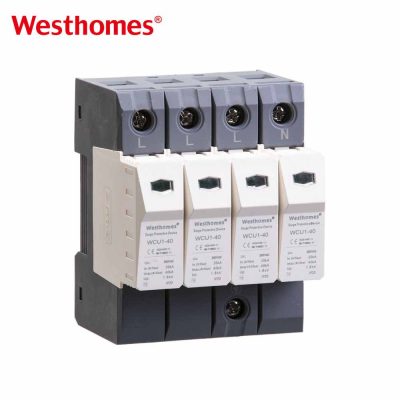
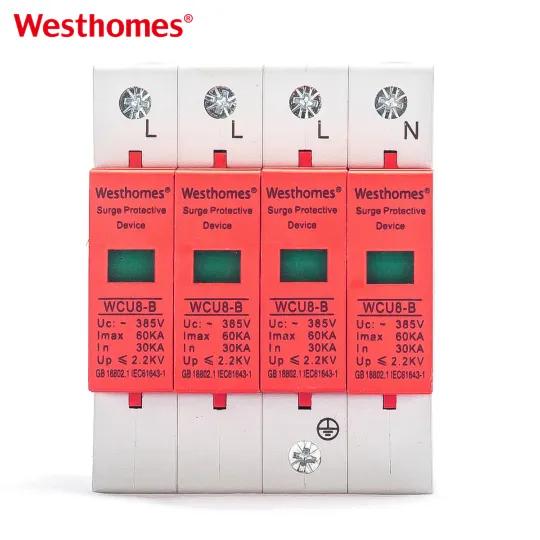
A 4-pole surge protection device protects all three phases plus the neutral in a three-phase, four-wire (3P+N) system. It clamps surges on L1, L2, L3, and N-to-earth simultaneously, which is essential because surges can appear between any line and earth or between line and neutral. Using a 4P SPD instead of three separate single-pole units keeps protection coordinated and compact on the DIN rail.
The 230V phase-to-neutral and 400V phase-to-phase values match the standard low-voltage three-phase mains found in most of the world. The SPD's maximum continuous operating voltage (Uc) is selected above these levels—commonly around 275V or 320V phase-to-neutral—so it does not conduct during normal operation but reacts instantly to over-voltages. Confirming Uc against the actual system voltage prevents premature aging or nuisance failure.
Use a Type 1 at the building service entrance where direct lightning current may arrive; a Type 2 at sub-distribution boards to suppress induced and switching surges; and a Type 3 right next to sensitive electronic loads. For most commercial and industrial panels, a Type 2 4P SPD is the standard choice, with a Type 1 upstream where lightning exposure is high. Stages should be coordinated so downstream SPDs trigger before the upstream one.
In is the nominal surge current (8/20 µs waveform) the SPD can absorb repeatedly without significant degradation; a typical Type 2 value is 20 kA per pole. Imax is the maximum single surge it can survive, often 40 kA or higher. Higher In and Imax mean the SPD will last longer in areas with frequent thunderstorms or heavy industrial switching. The Up voltage protection level should still be checked independently.
L1, L2, and L3 are the three phase conductors, N is the neutral, and the earth (PE) terminal connects to the installation's main earthing busbar. In a 4P+N configuration a separate neutral protection module may be fitted between N and PE to protect against neutral displacement surges. Keep all surge-current paths short, straight, and cross-section adequate, because long leads add inductive voltage that undermines the clamping level.
Yes—the MOV-based clamping principle is essentially frequency-independent, and the 50/60Hz marking confirms suitability on either mains frequency. This makes the product suitable for export to both 50Hz markets (Europe, Asia, Africa) and 60Hz markets (North America, parts of South America). The only parameter that must still be verified per location is the system voltage and earthing arrangement.
The SPD clicks onto a 35mm DIN rail in the distribution board and should be connected through a dedicated back-up protective device (gG fuse or MCB) sized to the manufacturer's recommendation. Maintain the phase/neutral/earth markings, allow a small ventilation gap around the module, and avoid mounting it directly above heat sources. Wiring should be terminated with ferrules or lugs and torqued to the specified value.
The indicator window shows green when the internal varistor is healthy and red when it has reached end-of-life, usually after absorbing large surges. Replace the SPD immediately if the window turns red, if the remote contact alarms, or after it has absorbed a major direct lightning event. Periodic annual inspection and checking after significant storms is recommended; plug-in modules allow replacement without rewiring.
No—they solve different problems. An MCB protects against overload and short circuit, an RCD against earth-leakage, and an SPD against nanosecond/microsecond voltage transients. A surge-protected socket is just a small Type 3 SPD at the end of the chain. A complete installation uses an SPD in parallel (diverting surges to earth) alongside conventional over-current and residual-current protection in series with the load.
The product is built and tested to IEC 61643-11 for low-voltage surge protective devices. It is used at whole-building entrances, distribution panels, and industrial control cabinets. Maintenance is simple: inspect the status indicator annually, check terminal tightness, record surge events, and replace plug-in modules when they age or after major surge activity. No recalibration is required, but the SPD should never be bypassed or left disconnected.
* indicates a required field

 2 MB
2 MB