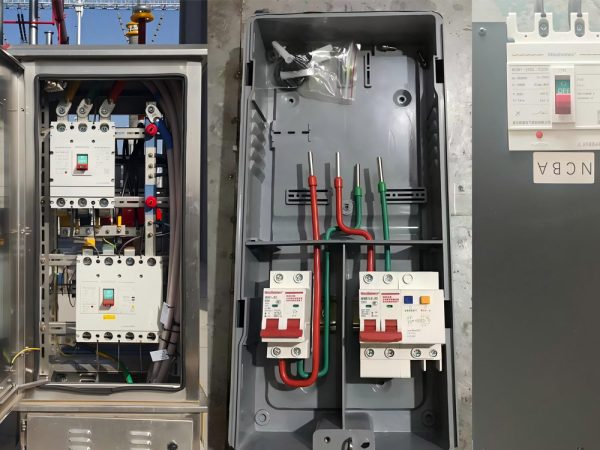
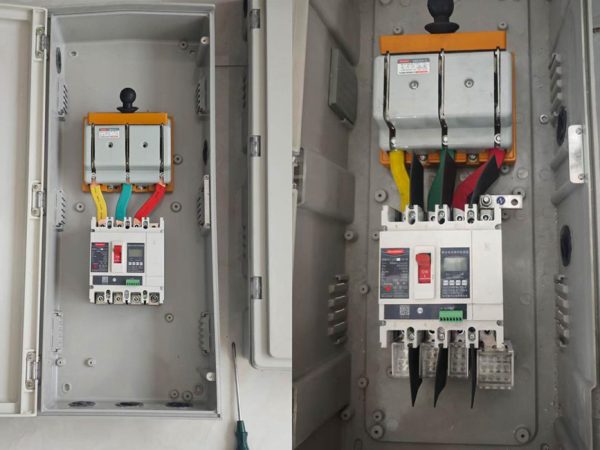
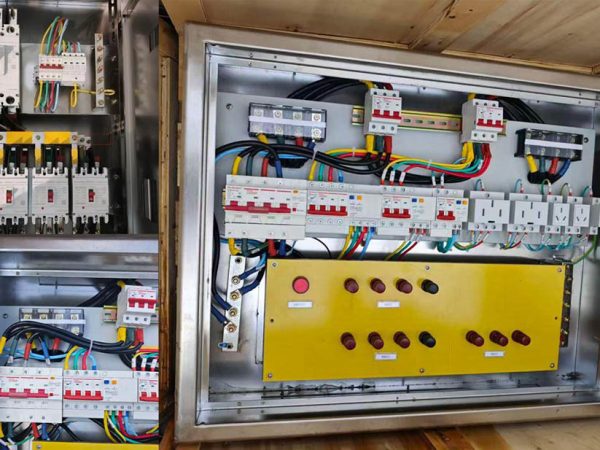
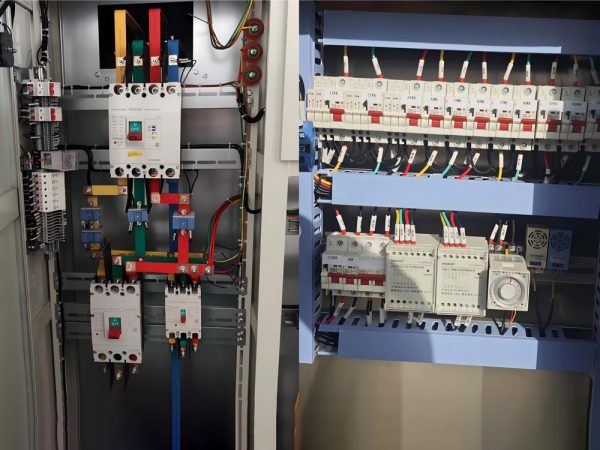
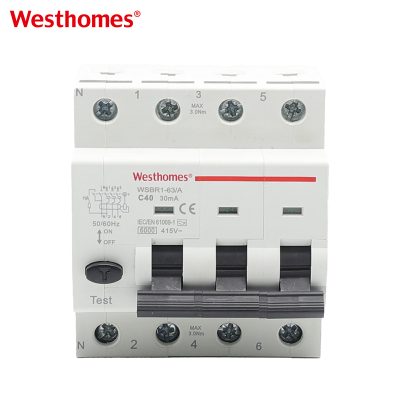
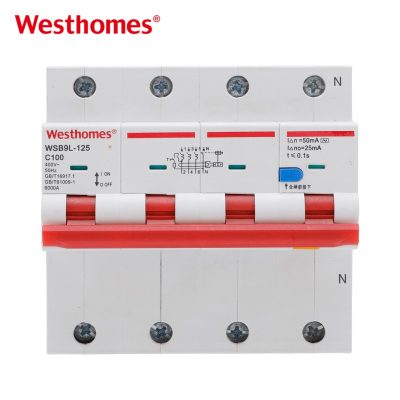
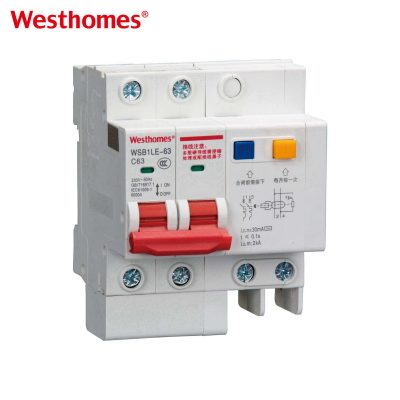
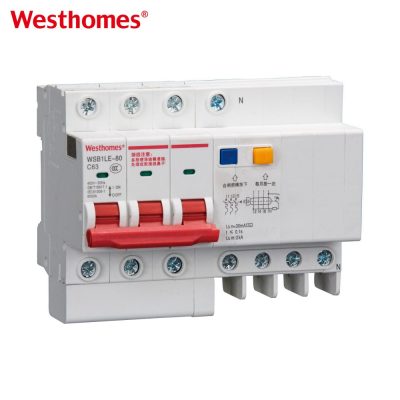
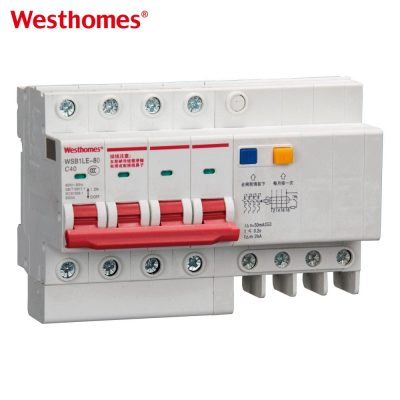
WSB9SZ-125 Moulded case circuit breaker
WSBSZ9-125 is one of updated type MCCBs researched and developed by the company by using advanced design and manufacture technology internationally.
Get quick appointment for technical support!

WSB9-125 series MCB is one of updated type MCCBs researched and developed by the company by using advanced design and manufacture technology internationally.

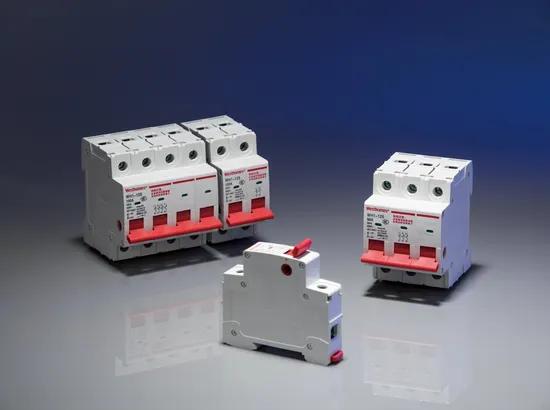
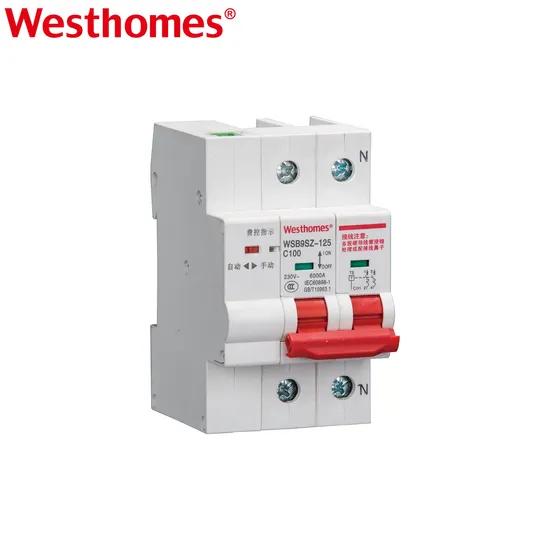
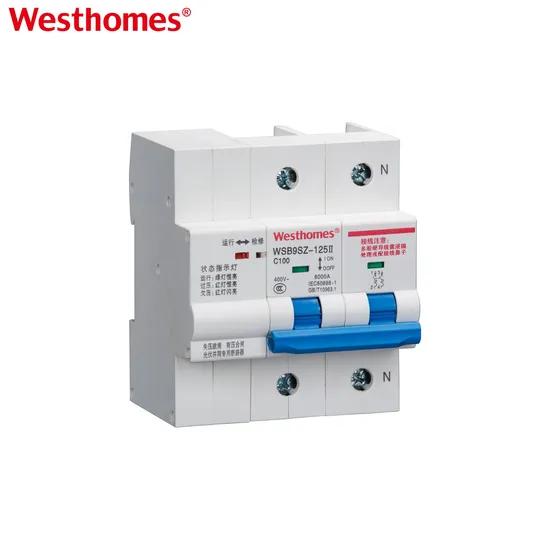
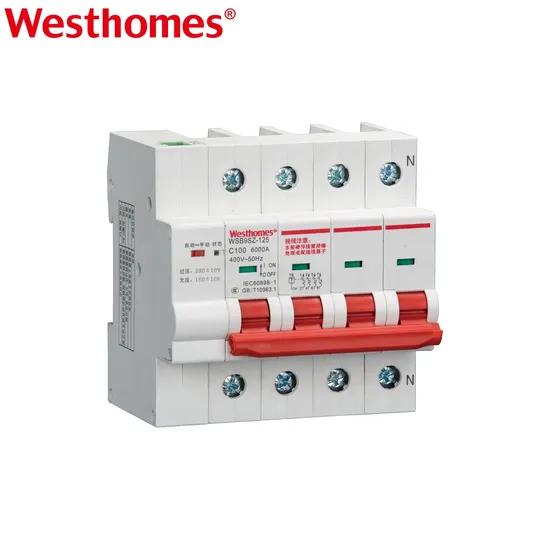
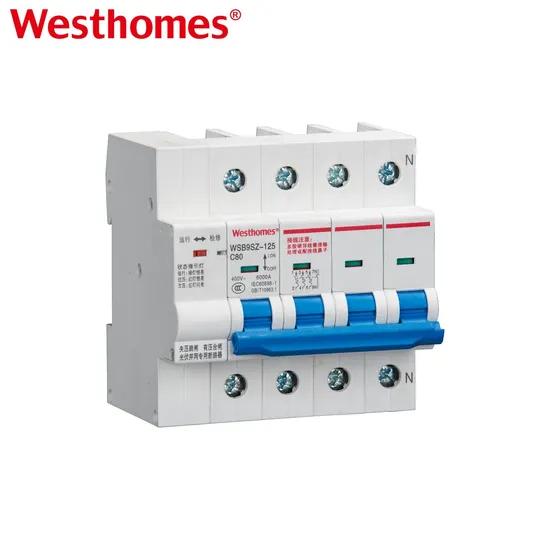
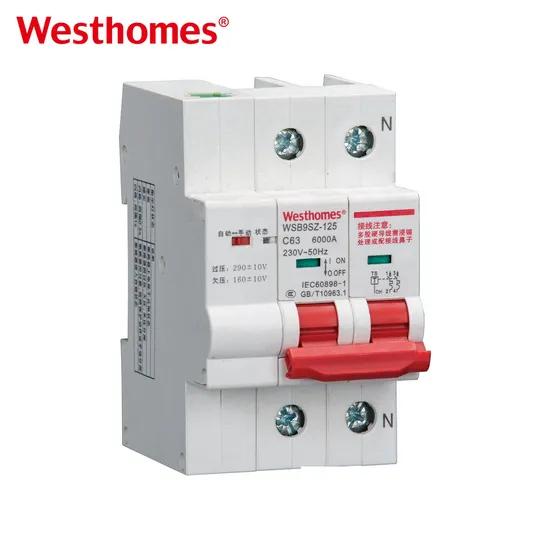
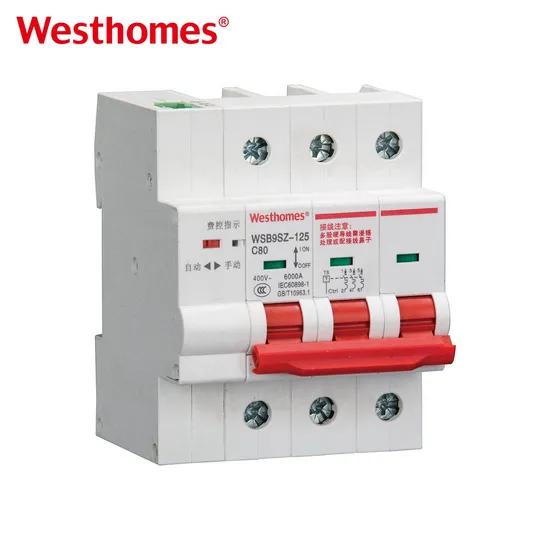
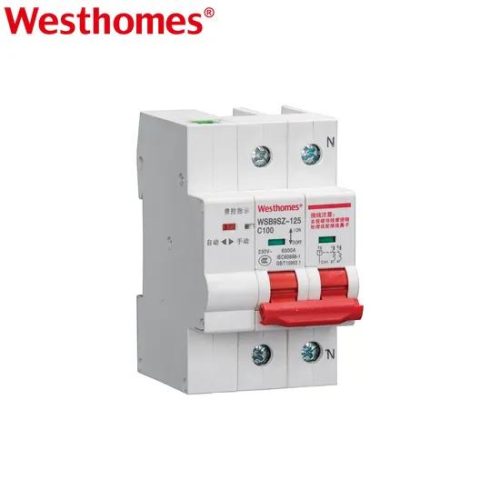
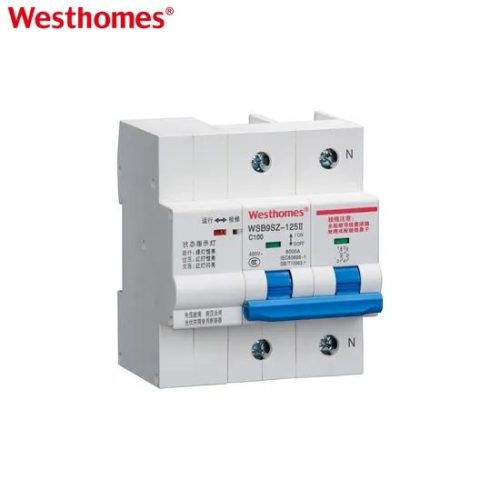
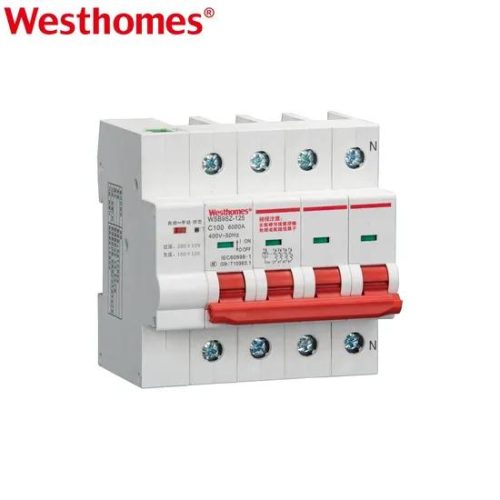
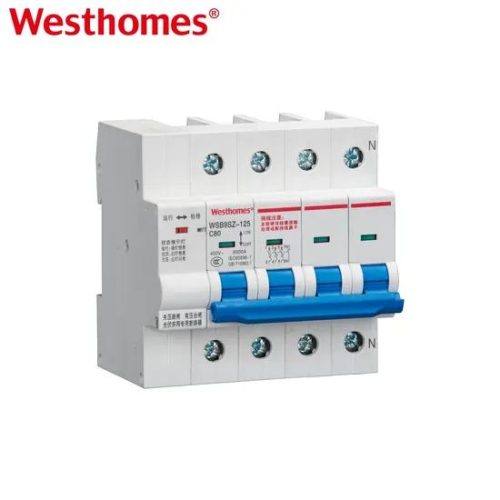
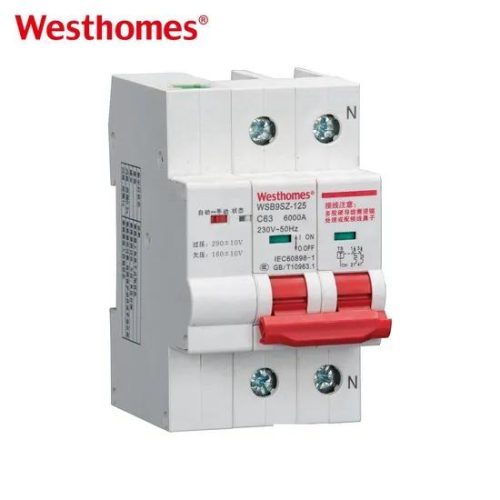
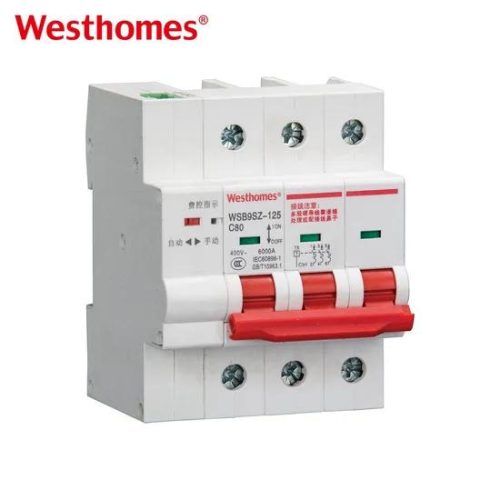
WSBSZ9-125 is one of updated type MCCBs researched and developed by the company by using advanced design and manufacture technology internationally.
WSB9 series Miniature circuit breakers (hereinafter referred to as circuit breakers) are suitable for AC 50Hz or 60Hz, rated working voltage AC230V/400V, rated current up to 80A lines, for overload and short circuit protection of the lines, and can also be used for infrequent operation conversion of the lines. The circuit breaker is suitable for commercial office buildings, residential buildings and similar buildings. This product complies with GB10963.1 and IEC60898-1 standards.
| Pole | 1P+N; 3P+N |
| Voltage | AC230V/400V |
| kA | 6kA |
| Amps | 6, 10, 16, 20, 25, 32,40, 50, 63, 80, 100, 125 |
| Width | 54, 90mm |
| S.No | Test current (A) | Initial state | Time limit | Current rating (A) | Expected result | Environment temperature | remarks |
| 1 | 1.13In | Cold | t≤1h | In≤63 | Not tripping | 30ºC~35ºC | |
| t≤2h | In>63 | ||||||
| 2 | 1.45In | Just follow the last test item | t<1h | In≤63 | Tripping | 30ºC~35ºC | Current rises to the set value in 5s steadily |
| t<2h | In>63 | ||||||
| 3 | 2.55In | Cold | 1s | In≤32 | Tripping | 30ºC~35ºC | |
| 1s | In>32 | ||||||
| 4 | 5In | Cold | t≤0.1s | Not tripping | 30ºC~35ºC | Connect the current by closed auxiliary switch | |
| 10In | t<0.1s | Tripping | |||||
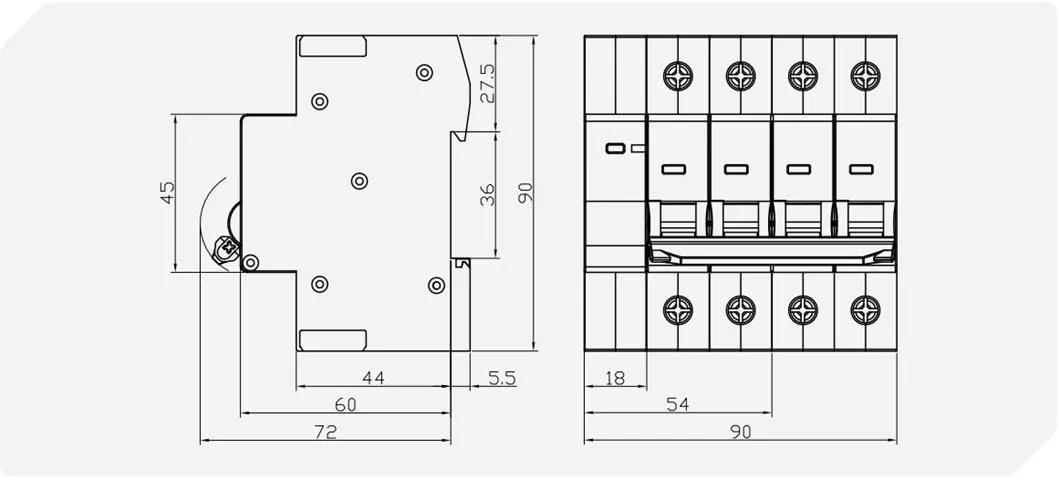
A 1P+N breaker packs one overcurrent-protected pole (on the live conductor) plus an unprotected neutral pole in a single 2-module body. It opens both live and neutral simultaneously, which is safer than a 1P breaker that switches live only and leaves the neutral connected. Choose 1P+N for final circuits where you want guaranteed neutral isolation alongside overcurrent protection.
Feed the phase (L) into the marked "L/Line" terminal and the neutral (N) into the "N" terminal on the line side; run L and N out to the load on the load side. The neutral pole is mechanical only — it has no thermal or magnetic trip — so the breaker only protects the live conductor. Keep line-in/load-out orientation as marked on the housing.
Use Ib ≤ In ≤ Iz: size In above the circuit design current Ib but below the cable ampacity Iz. Typical values are 16A for lighting, 20–32A for sockets, and 40A for higher-power domestic circuits. Match the conductor cross-section to Iz so the breaker can truly protect the cable under fault.
Curve C (5–10 × In) is the all-round default for sockets, lighting, and small appliances, balancing nuisance-trip resistance against fast short-circuit protection. Curve B (3–5 × In) is used for purely resistive loads or long cable runs where you want more sensitive earth-fault backing, and Curve D is reserved for high-inrush equipment.
Yes, it clips onto a standard 35 mm DIN rail and fits naturally between 1P breakers in a distribution board. Because it occupies two modules (one pole + one neutral pole), plan the enclosure width accordingly and leave 1–2 spare module positions for future additions.
This is usually thermal tripping influenced by ambient temperature. The bimetal trips faster in a hot, crowded panel, effectively derating In. Either spread breakers out in the enclosure, reduce the per-circuit load, or consult the manufacturer's temperature-derating curve and reselect In so the corrected rating still covers Ib.
The thermal bimetal in the live pole carries the full load current; when current exceeds In for long enough, the bimetal heats, bends, and releases the mechanism. The neutral pole follows mechanically but provides no independent overload sensing. This protects the live conductor and, by convention, the same-sized downstream cable on both conductors.
Yes — its single-phase DIN rail format and 6–100A range cover final circuits in homes, offices, shops, and light-industrial panels. It is a common choice for room distribution boards, tenant sub-mains, and equipment branch circuits where simultaneous live-and-neutral isolation is desired.
The added load likely pushed Ib above In. Measure the total current on the circuit and compare to the breaker rating; if the cable is still within Iz, simply up-size the MCB to the next standard rating. If the cable was also extended without upsizing, the wiring must be upgraded first so the breaker can still protect the conductors.
It is designed to IEC 60898-1 for AC miniature circuit breakers and carries CE marking, with the rated voltage (230 V), In, curve, and breaking capacity marked on the nameplate. Retain the test certificate and datasheet alongside the panel schedule for electrical inspection and compliance records.
* indicates a required field

 2 MB