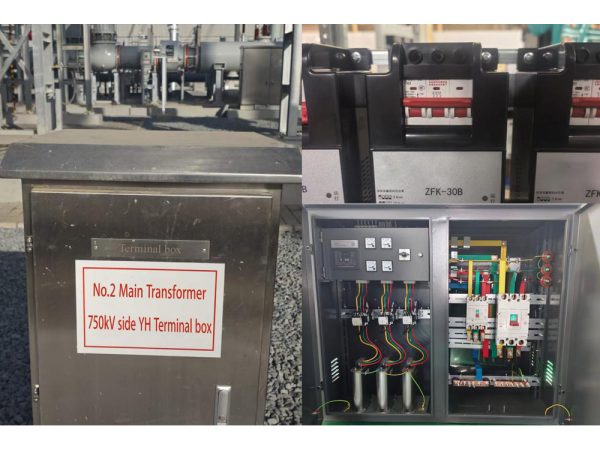
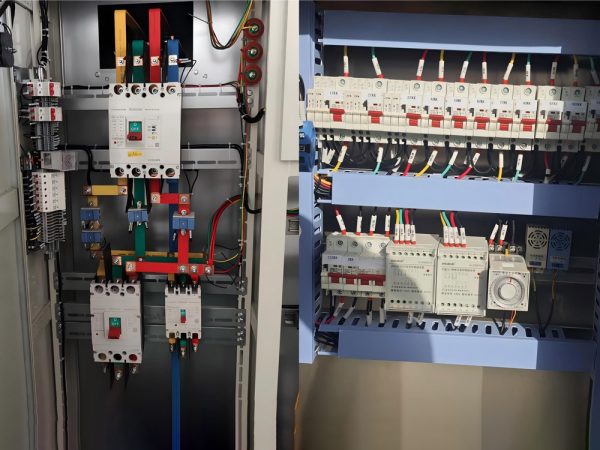
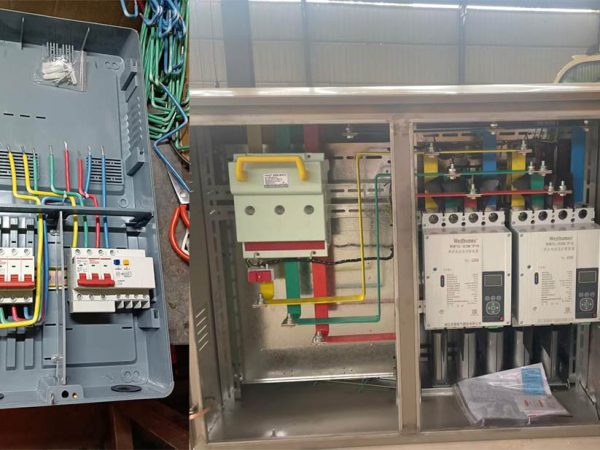
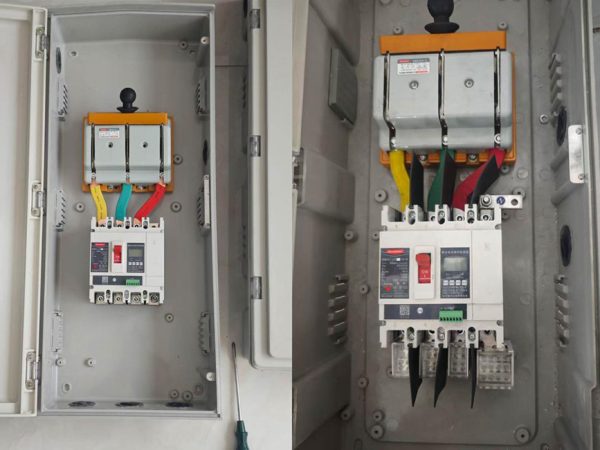
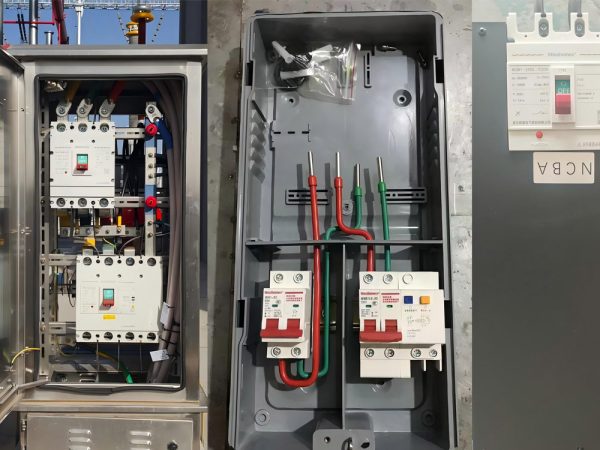
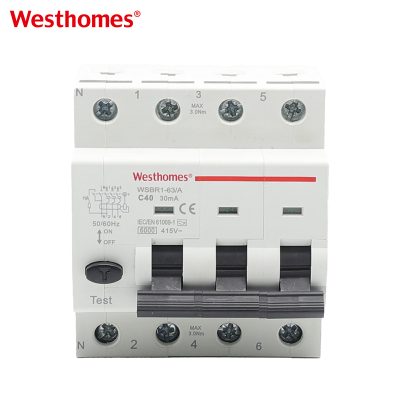
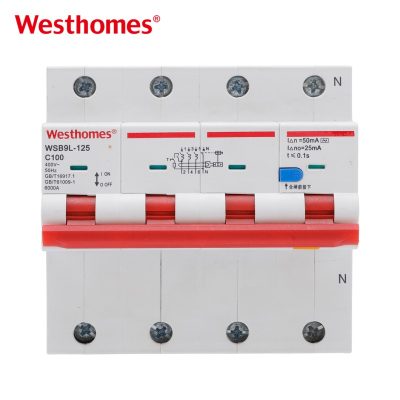
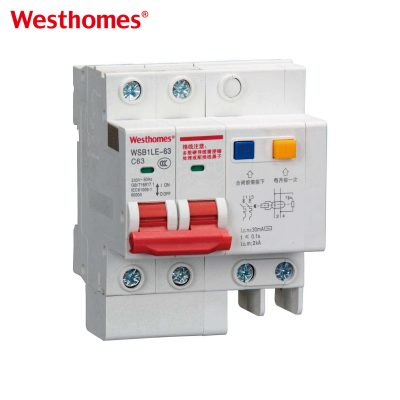
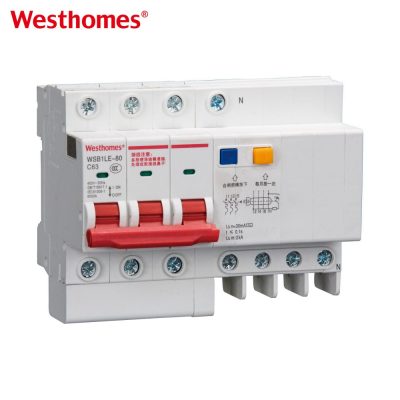
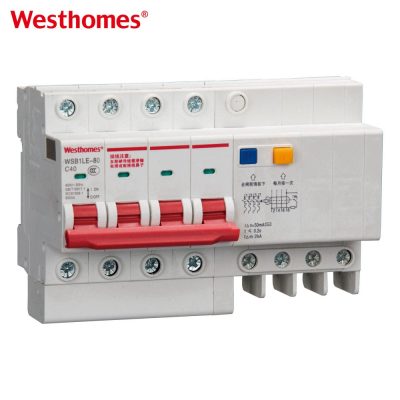
WSB9-125 Moulded case circuit breaker
WSB9-125 is one of updated type MCCBs researched and developed by the company by using advanced design and manufacture technology internationally.
Get quick appointment for technical support!

WSB9-125 series MCB is one of updated type MCCBs researched and developed by the company by using advanced design and manufacture technology internationally.

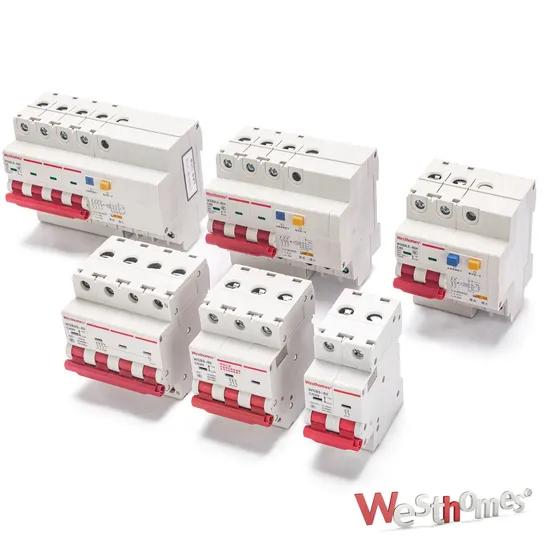
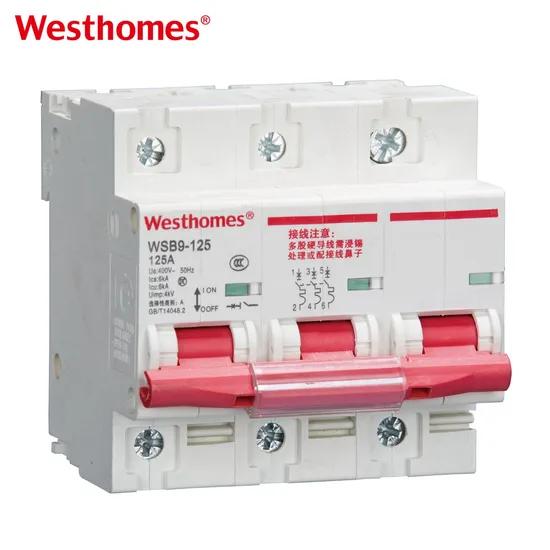
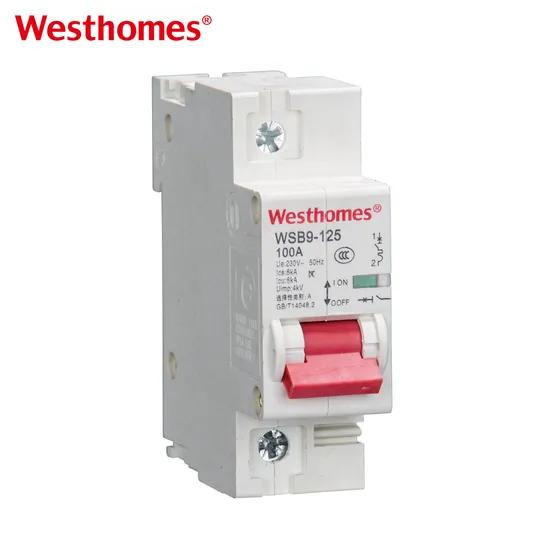
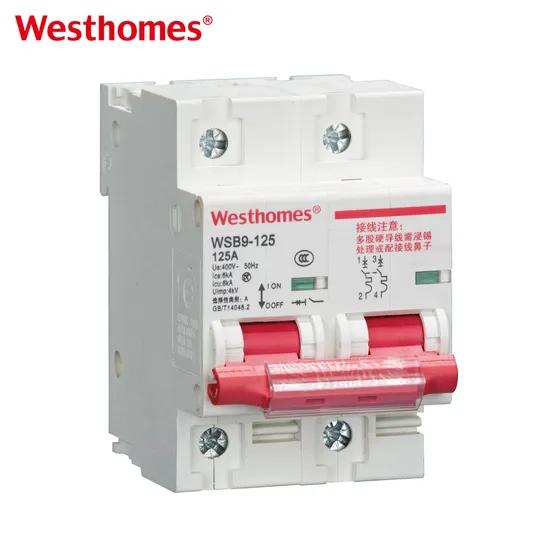
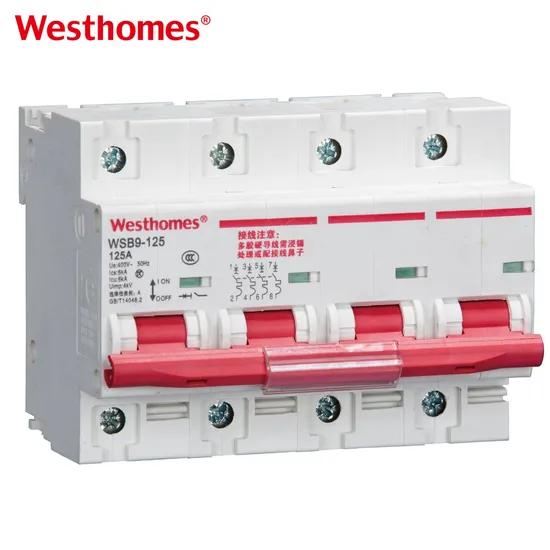
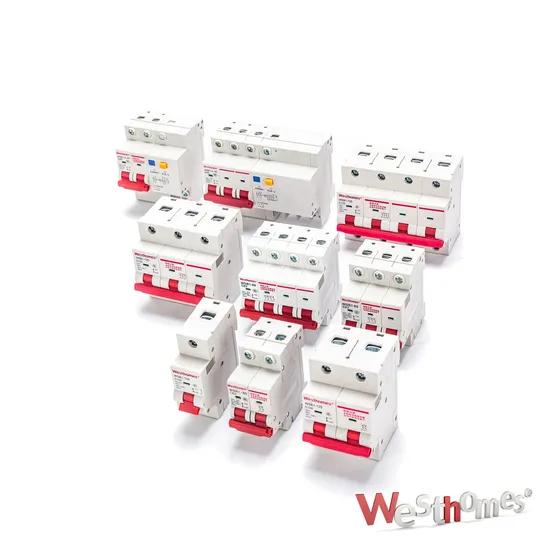
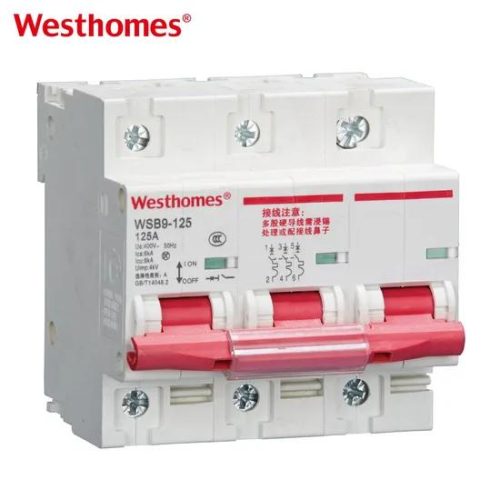
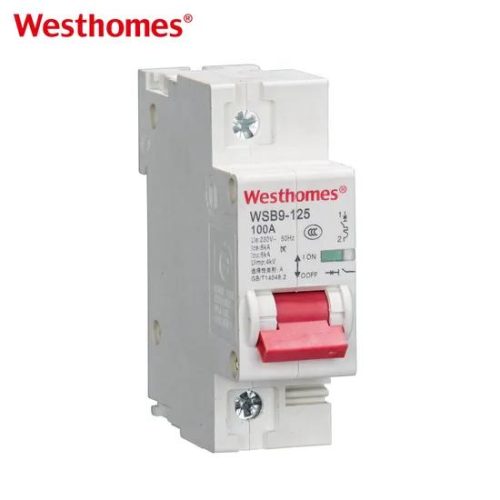
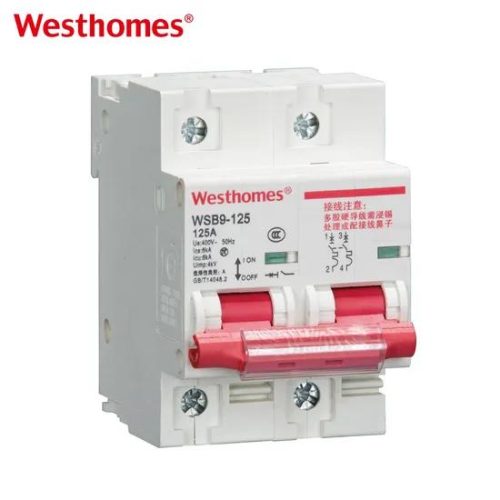
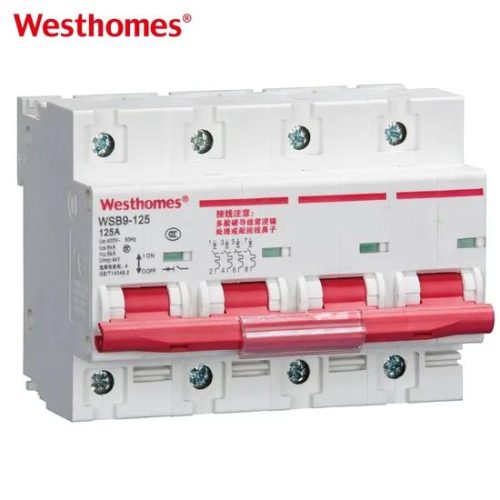
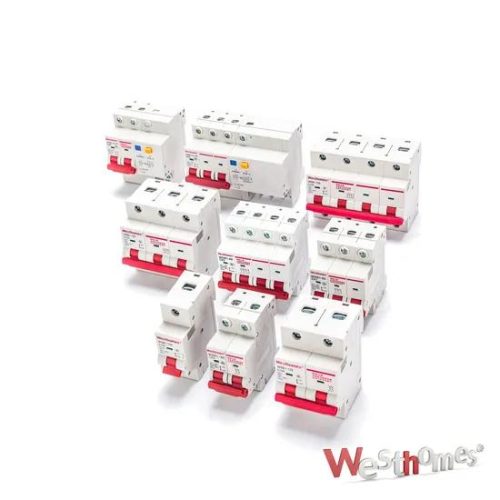
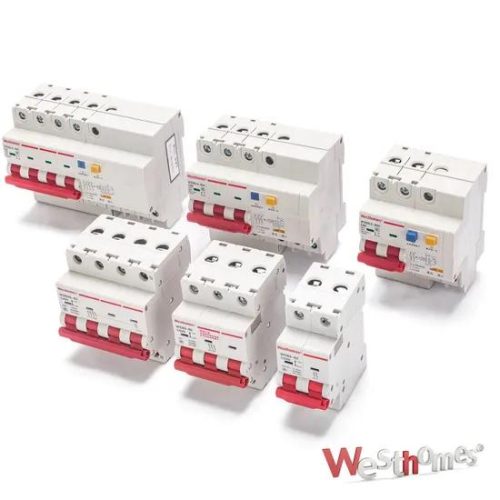
WSB9-125 is one of updated type MCCBs researched and developed by the company by using advanced design and manufacture technology internationally.
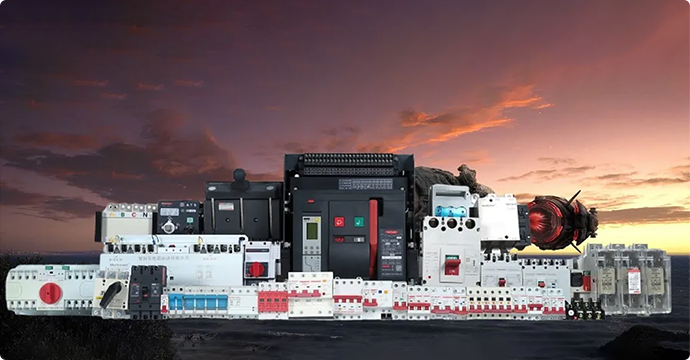
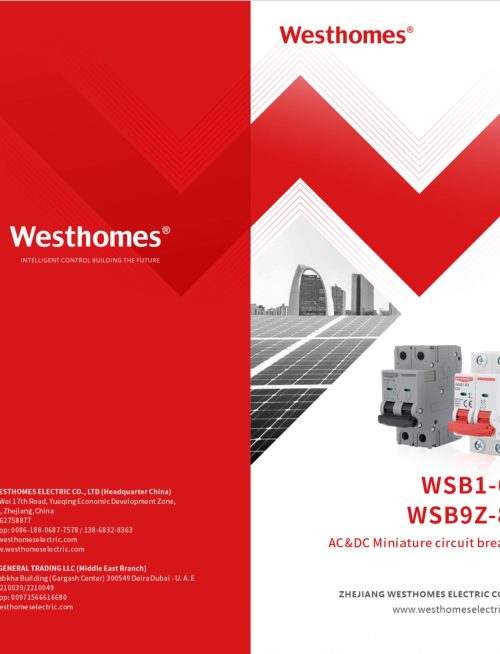
WSB9 series Miniature circuit breakers (hereinafter referred to as circuit breakers) are suitable for AC 50Hz or 60Hz, rated working voltage AC230V/400V, rated current up to 80A lines, for overload and short circuit protection of the lines, and can also be used for infrequent operation conversion of the lines. The circuit breaker is suitable for commercial office buildings, residential buildings and similar buildings. This product complies with GB10963.1 and IEC60898-1 standards.
| Frequency | 50Hz/60Hz |
| Pole | 1, 2, 3, 4 |
| Voltage | AC230V/400V |
| kA | 6kA, 10kA |
| Amps | 63, 100, 125A |
| Width | 27, 54, 81, 108mm |
| Mounting | Din rail |
| Model | Pole | Rated Frequency | Frame level rated current | Rated voltage | Rated current | Rated short circuit breaking capcacity | Power frequency withstand voltage | Mechanical and electrical operation performance |
| WSB9-125 | 1P, 2P, 3P, 4P | 50/60Hz | 125A | AC230/400V | 63, 80, 100, 125A | 6kA, 10kA | Circuit breaker can satisfy AC50Hz, 2500V lasting 1min voltage withstand test with no flashover or breakdown | The operation cycle number of the circuit breaker is 10000 times, including loading one 1500 times, and no loading one 8500 times |
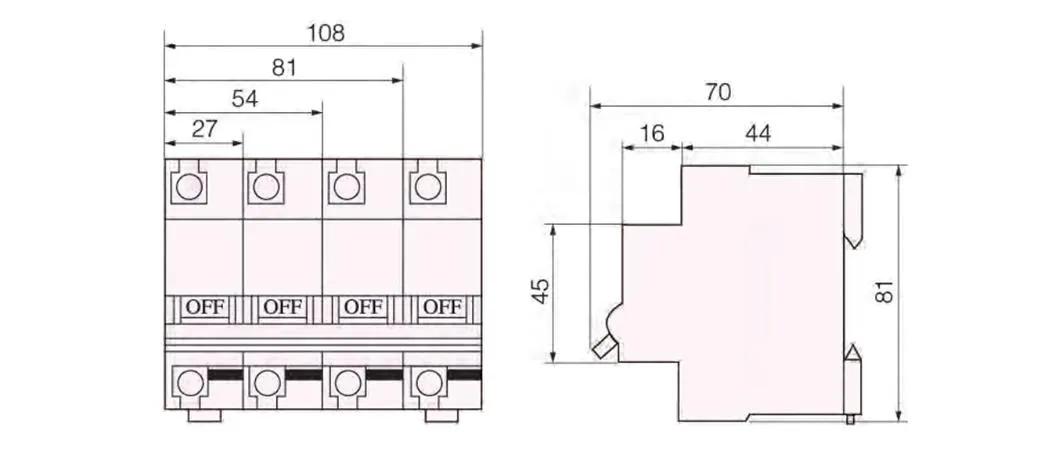
A 3-pole MCB opens all three phase conductors (L1, L2, L3) simultaneously with a single operating handle. It is the standard choice for three-phase AC loads such as three-phase motors, three-phase distribution boards, industrial control panels, and three-phase air-conditioning or heating equipment. Using a 3P breaker ensures the entire three-phase circuit is isolated when tripped or switched off, preventing a single-phase supply condition that could damage connected equipment.
This MCB combines two protection mechanisms. The thermal element is a bimetallic strip that heats up under overcurrent and bends over time to trigger the mechanism — it provides inverse-time (delayed) protection against mild overloads. The magnetic element is a solenoid that releases instantly when a high short-circuit current flows through its coil. Together they protect both sustained overloads (too much load) and sudden short circuits (line-to-line or line-to-earth faults).
On a 3-pole MCB rated AC 230V/400V, 400V is the rated insulation/operational voltage between the three phases (line-to-line in a 3-phase 4-wire TN system), while 230V is the line-to-neutral voltage of each phase. The breaker can therefore be used on standard three-phase distribution systems where phase-to-phase voltage is around 400V and phase-to-neutral is 230V. Always confirm the actual system voltage does not exceed the rated voltage printed on the rating plate.
B-curve trips magnetically at 3–5 times rated current (In) and suits lighting, socket circuits, and purely resistive loads. C-curve trips at 5–10 In and is the general-purpose choice for commercial distribution, mixed loads, and moderate inrush. D-curve trips at 10–20 In and is intended for high-inrush loads such as transformers, motors, and capacitors. For a 3P three-phase feeder, C-curve is most common; choose D-curve if the circuit supplies motor or transformer loads directly.
The rated current must be higher than the normal full-load current of the circuit but lower than the ampacity of the cables it protects. For example, a 16A breaker protects 1.5 mm²–2.5 mm² copper cables on lighting circuits, while a 32A breaker suits 4 mm²–6 mm² socket and radial circuits. As a rule of thumb, In should not exceed the cable's current-carrying capacity (Iz) and must be coordinated with the upstream main switch and downstream devices per IEC 60364.
It snaps onto a standard 35mm DIN rail inside a distribution board, with line-side (incoming) cables connected to the top terminals and load-side (outgoing) cables to the bottom terminals. Each pole accepts one phase conductor (L1/L2/L3), and the neutral is routed separately through the neutral bar. Tighten terminals to the torque specified in the installation manual — typically 2.0–3.5 N·m depending on the rating — and leave adequate clearances above and below the breaker for arc fault venting.
"Nuisance tripping" usually has one of several causes: an overloaded circuit (too many appliances running), loose or corroded terminals causing local heating, inrush current from motor start-up or capacitor switching (in which case a C- or D-curve breaker may be needed), a weakening bimetal from years of service, or a developing insulation fault that leaks small currents. Check the total load on the circuit, retighten all terminals, and verify the tripping curve matches the load type before replacing the breaker.
The thermal bimetal element provides overload protection: it trips after an inverse time delay that shortens as the overcurrent grows (e.g., around 1 hour at 1.13 In, trips quickly at several times In). The magnetic solenoid provides short-circuit protection: it trips instantaneously (typically within milliseconds) when fault current reaches the curve threshold (3–5 In for B, 5–10 In for C, 10–20 In for D). Together they satisfy the basic overcurrent protection required by IEC 60364 wiring rules.
Yes, Westhomes AC MCBs are designed and type-tested to IEC 60898-1 — the international standard for "Electrical accessories — Circuit-breakers for overcurrent protection for household and similar installations, Part 1: AC operation." CE marking indicates conformity with the EU Low Voltage Directive (LVD 2014/35/EU) and EMC Directive, allowing free sale within the European Economic Area. Always request the Declaration of Conformity (DoC) and test reports (e.g., from a CB or KEMA-type laboratory) for project compliance files.
MCBs are largely maintenance-free sealed devices, but periodic checks are recommended: inspect for discoloration or burning marks, tighten terminals to the rated torque every 1–2 years (or after any fault clearing), exercise the toggle a few times annually to keep the mechanism free, and test trip operation if a push-test button is fitted. After a major short-circuit fault, the breaker should be inspected or replaced even if it appears to work, because internal contacts may be damaged. Qualified electricians should carry out all live work.
* indicates a required field

 2 MB
2 MB