Get quick appointment for technical support!

Difference Between a Circuit Breaker and a Fuse
May 18, 2026
Introduction
Circuit breakers and fuses are both designed to protect electrical systems from overloads and short circuits, but they work in very different ways. In real applications, choosing the wrong protection device can affect not only safety, but also maintenance, downtime, and system reliability.
A fuse reacts extremely quickly by melting internally during a fault, while a circuit breaker disconnects the circuit mechanically and can be reset afterward. Because each has its own advantages, both are still widely used in modern electrical systems today.
Understanding the difference between them helps engineers and users choose the right protection solution for different applications.
What Is a Fuse?
Understanding the 16-Amp Fuse: A Comprehensive Guide for Home and Industrial Use
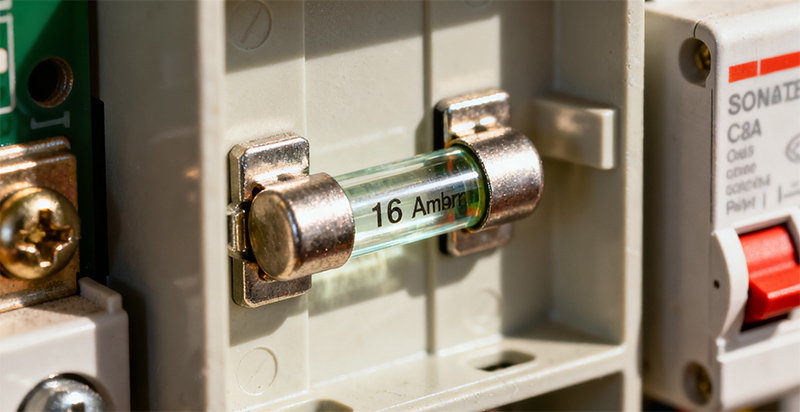
A fuse is one of the oldest and most widely used electrical protection devices. Its job is simple: when current becomes too high, the fuse interrupts the circuit before cables or equipment are damaged.
How Does a Fuse Work?
Inside a fuse is a thin metal strip or wire designed to melt when the current exceeds a certain limit. Once the metal melts, the circuit opens immediately and stops the fault current from continuing through the system.
Unlike a circuit breaker, a fuse cannot be reused after operation. Once it blows, it must be replaced with a new one.
Why Are Fuses Still Widely Used?
Even though the design is simple, fuses are still trusted in many electrical systems because they react very quickly during fault conditions. In severe short-circuit situations, they are often faster than mechanical protection devices.
This fast response helps reduce damage to sensitive equipment and improves overall system protection.
Common Applications of Fuses
Fuses are commonly used in:
- Control circuits
- Electronic equipment
- Automotive systems
- Transformers
- Semiconductor protection systems
These applications usually require fast and reliable fault clearing to protect sensitive components.
What Is a Circuit Breaker?
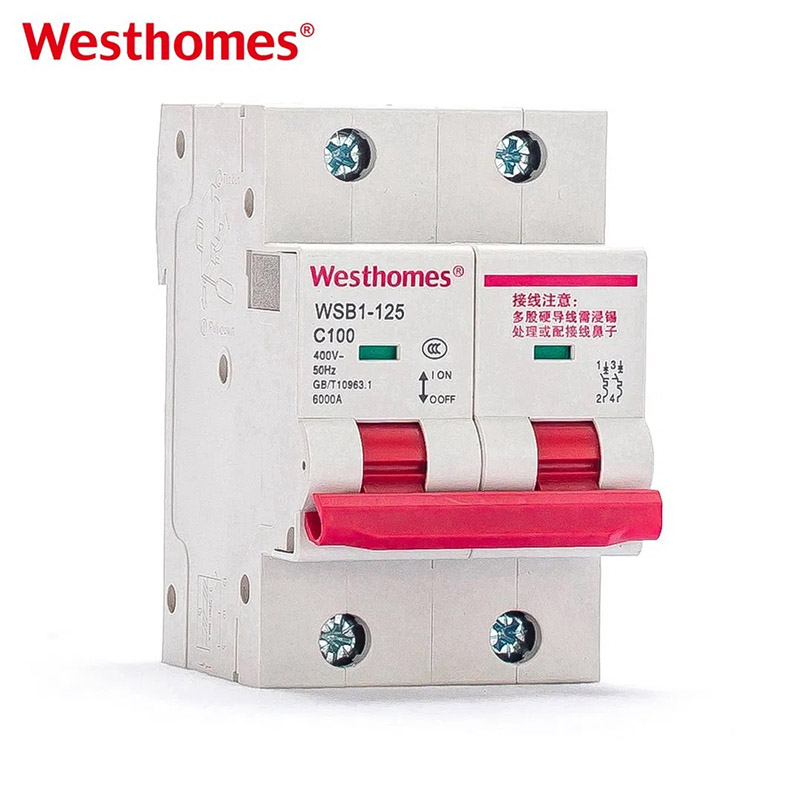
A circuit breaker is a reusable electrical protection device designed to disconnect a circuit automatically when abnormal current conditions occur. Its main purpose is to protect electrical systems from overloads, short circuits, and other electrical faults.
Unlike a fuse, a circuit breaker does not need to be replaced after it trips. Once the fault is cleared, it can simply be reset and put back into operation.
How Does a Circuit Breaker Work?
Modern circuit breakers use different trip mechanisms depending on the application:
- Thermal protection for overload conditions
- Magnetic protection for short circuits
- Electronic trip systems for advanced monitoring and protection
Thermal mechanisms react when excessive current flows over time, while magnetic mechanisms respond almost instantly during short-circuit faults. More advanced electronic breakers can also provide adjustable settings, communication functions, and fault analysis.
Why Are Circuit Breakers So Common Today?
One major reason is convenience. In modern electrical systems, downtime can be costly, especially in commercial buildings and industrial facilities. Resetting a breaker is usually much faster and easier than replacing a fuse.
Circuit breakers also provide more flexibility for different system requirements, making them suitable for a wide range of applications.
Common Applications of Circuit Breakers
Circuit breakers are widely used in:
- Residential distribution panels
- Commercial buildings
- Industrial factories
- Data centers
- General power distribution systems
Because of their reusable design and reliable protection, they have become one of the most common protection devices in modern electrical systems.
Circuit Breaker vs Fuse: The Real Difference
Although both devices protect electrical systems from overloads and short circuits, they work in very different ways. The difference is not only about structure, but also about maintenance, response speed, and long-term operation.
How They Interrupt Fault Current
A fuse protects the circuit by melting internally when excessive current flows through it. Once the metal element melts, the circuit is permanently opened until the fuse is replaced.
A circuit breaker, on the other hand, uses a mechanical trip mechanism to disconnect the circuit during a fault. After troubleshooting, it can usually be reset and used again.
Reusability and Maintenance
One of the biggest advantages of circuit breakers is reusability. A fuse must be replaced after every operation, while a breaker can normally return to service immediately after reset.
In larger systems, replacing blown fuses may also require spare parts and additional maintenance time. Circuit breakers simplify this process and help reduce downtime.
Response Speed
Fuses are generally faster during high short-circuit conditions because they do not rely on moving mechanical parts. Their fast response can help protect sensitive equipment more effectively.
Circuit breakers may react slightly slower, but they provide better operational convenience and flexibility for modern power systems.
Quick Comparison Between Circuit Breaker and Fuse
| Aspect | Circuit Breaker | Fuse |
| Working Principle | Mechanical tripping | Metal melting |
| Reusability | Reusable | Replace after operation |
| Response Speed | Fast | Extremely fast |
| Maintenance | Easy reset | Manual replacement |
| Initial Cost | Higher | Lower |
| Long-Term Cost | Lower maintenance | Higher replacement cost |
| Typical Applications | Distribution systems | Sensitive protection circuits |
Which One Should You Choose?
There is no single answer that fits every electrical system. The right choice depends on the application, protection requirements, and maintenance expectations.
When Circuit Breakers Are Preferred
In modern residential and commercial systems, circuit breakers are usually the more popular option. They are reusable, easier to maintain, and more convenient during troubleshooting.
For systems where downtime needs to be minimized, the ability to quickly reset the breaker after a fault is a major advantage. This is one reason circuit breakers are widely used in buildings, factories, and distribution panels today.
When Fuses Are Still the Better Choice
Fuses still play an important role in many industrial and electronic applications. In systems that require extremely fast short-circuit protection, fuses can often react faster than standard breakers.
Because of this, they are commonly used to protect sensitive components and equipment that may be damaged by even a brief fault current.
Why Many Systems Use Both
In many industrial installations, circuit breakers and fuses are not competitors but complementary protection devices.
A fuse may provide high-speed protection for sensitive equipment, while a circuit breaker manages overall distribution protection, switching, and system isolation. Combining both devices helps improve overall system safety and reliability.
Frequently Asked Questions (FAQ)
Q1: Is a fuse safer than a circuit breaker?
Both are safe when selected correctly. Fuses are faster during severe short circuits, while circuit breakers are more convenient for repeated operation.
Q2: Why are circuit breakers more common today?
Because they are reusable, easier to maintain, and reduce downtime in modern electrical systems.
Q3: Can a circuit breaker fully replace a fuse?
Not always. Some sensitive equipment still requires the ultra-fast protection that fuses provide.
Q4: Which costs more in the long run?
Although circuit breakers cost more initially, they often reduce long-term maintenance costs because they do not require replacement after every fault.
Q5: Why do some systems use both?
Because each device has different advantages. Combining them can improve both speed and reliability of protection.
Conclusion
Circuit breakers and fuses may serve the same basic purpose, but they are designed with different priorities in mind. Fuses focus on extremely fast fault interruption, while circuit breakers focus on reusable and convenient protection for modern power systems.
Neither device is universally better than the other. The right choice depends on the application, the protection requirements, and how the system will be operated and maintained over time.
Understanding the difference between them helps engineers, contractors, and users make more reliable decisions when designing or upgrading electrical systems.

--- END ---
In this blog
Featured Articles
Get A Free Quote
