Get quick appointment for technical support!

How to Tell if Your Circuit Breaker is Bad: 11 Essential Warning Signs
May 19, 2026
We have all been there. You are enjoying a quiet evening at home, and suddenly, the lights go out in the living room. You walk over to the electrical panel, flip the switch, and hope for the best. But what happens when that switch refuses to cooperate?
Circuit breakers do not last forever, and they rarely give you a clear warning message before they completely fail. Knowing how to spot a failing breaker is incredibly important for protecting your home from electrical fires. Let us explore eleven key warning signs that indicate your circuit breaker needs an immediate professional upgrade.
1. The Breaker Trips Constantly
One of the most obvious indicators of a failing component is frequent tripping. While your breaker is designed to shut off power when there is an overload, doing it constantly is a huge red flag. If you have unplugged your heavy appliances and the switch still trips daily, the internal mechanism is likely worn out and unable to handle a normal electrical load.
2. You Cannot Reset the Switch
If your breaker trips and absolutely refuses to stay in the ON position when you try to reset it, you have a serious problem. A switch that immediately springs back to the OFF position or feels strangely loose and floppy usually has broken internal springs. This means the device can no longer securely connect the electrical circuit and must be replaced.
3. You Notice a Burning Smell
Electrical fires are incredibly dangerous, and a burning odor is often the very first warning sign. If you step near your electrical panel and smell something similar to melting plastic or burning fish, turn off your main power supply immediately. This odor usually means the protective insulation inside the breaker is melting due to extreme internal heat.
4. The Breaker is Hot to the Touch
It is perfectly normal for electrical components to feel slightly warm during heavy use. However, a breaker should never feel painfully hot to the touch. If pressing your finger against the plastic casing makes you want to pull your hand away, the unit is drawing too much current or failing to regulate its temperature properly.
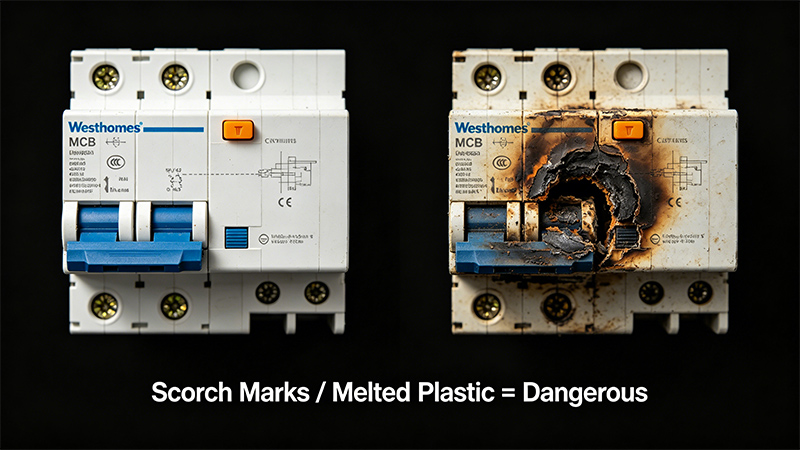
5. Visible Scorch Marks or Melted Plastic
You do not need to be a certified electrician to spot obvious physical damage. Take a close look at your electrical panel. If you see black scorch marks, brown discoloration, or warped plastic around a specific switch, the breaker has already experienced a severe overheating event. This component is extremely dangerous and needs professional attention right away.
6. Flickering or Dimming Lights
Sometimes the warning signs happen far away from the actual panel. If the lights in your kitchen or bedroom constantly flicker, dim, or pulse when you turn on another appliance, the breaker might be struggling to deliver a steady flow of electricity. While this can sometimes point to loose wiring, a weak breaker is very often the main electrical culprit.
7. Buzzing Clicking or Humming Sounds
Your electrical panel should operate in almost complete silence. If you hear a loud buzzing, continuous humming, or sharp clicking noises coming from the box, the breaker is failing to maintain a solid electrical connection. These sounds are essentially miniature sparks jumping between loose metal parts, which creates a massive fire hazard.
8. Rust and Physical Corrosion
Moisture and electricity are a terrible combination. If your electrical panel is located in a humid basement or an outdoor area, water damage can easily ruin the breakers. Check the metal contacts and screws for rust, green oxidation, or chalky white buildup. Corrosion destroys the electrical conductivity and guarantees that the breaker will eventually fail.
9. Appliances Shut Down Without a Trip
Have you ever noticed your television or computer randomly turning off, but when you check the panel, the breaker has not even tripped? A deeply damaged breaker can sometimes drop the voltage dramatically without actually snapping into the OFF position. This silent failure deprives your sensitive electronics of the steady power they need to operate safely.
10. Strange Behavior After a Power Surge
Massive power surges from lightning strikes or severe grid fluctuations can instantly destroy the delicate internal components of your breakers. If your entire neighborhood experienced a massive power surge recently and your home electrical system has been acting strange ever since, your breakers likely sacrificed themselves to protect your house and now need replacement.
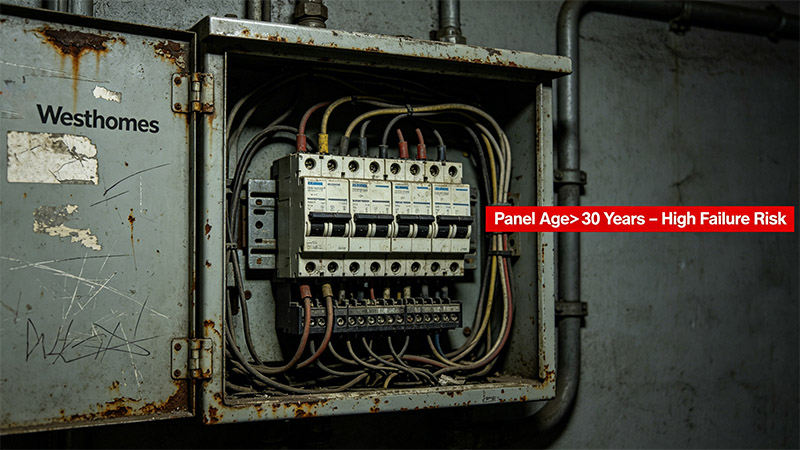
11. The Panel is Extremely Old
Nothing lasts forever. Most residential electrical panels are designed to last roughly thirty to forty years. If your home was built decades ago and the electrical box has never been upgraded, the breakers are simply reaching the end of their natural lifespan. Upgrading an ancient panel is one of the smartest investments you can make for your property.
What Should You Do Next?
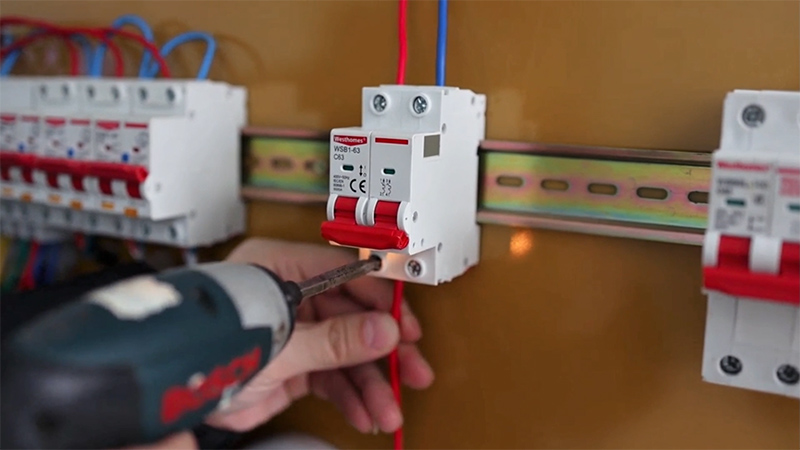
If you recognize any of these eleven warning signs, please do not attempt to fix the electrical panel by yourself. Working with high voltage electricity is incredibly dangerous and requires specialized safety training. Your absolute best move is to contact a licensed professional electrician. They have the precise tools and knowledge to safely test your circuits and replace any failing components.
Frequently Asked Questions
1. How long does a typical circuit breaker last?
Under normal conditions, a quality breaker can last thirty to forty years. However, frequent power surges, high humidity, and constant overloading can significantly reduce this expected lifespan.
2. Can I replace a bad breaker by myself?
While hardware stores sell replacement parts to the general public, replacing a breaker involves working inches away from live power bus bars that can cause fatal electric shocks. You should always hire a licensed professional for this specific job.
3. Why does my breaker trip when I turn on the vacuum?
Vacuums and large air conditioning units draw a massive amount of power just to start their motors. If your breaker is old or slightly weak, this sudden high demand for electricity will push it past its limit and cause an instant trip.

--- END ---
In this blog
Featured Articles
Get A Free Quote
