Get quick appointment for technical support!

Why Your Electrical Panel Is Buzzing and When to Act
Aug 07, 2026
A faint hum from an electrical panel is entirely normal. The alternating magnetic field in a circuit breaker coil or a contactor naturally produces a low level vibration at the standard line frequency. However, a buzzing that is new, loud, or irregular is not normal. It signals a mechanical or electrical problem that is actively developing inside the panel.
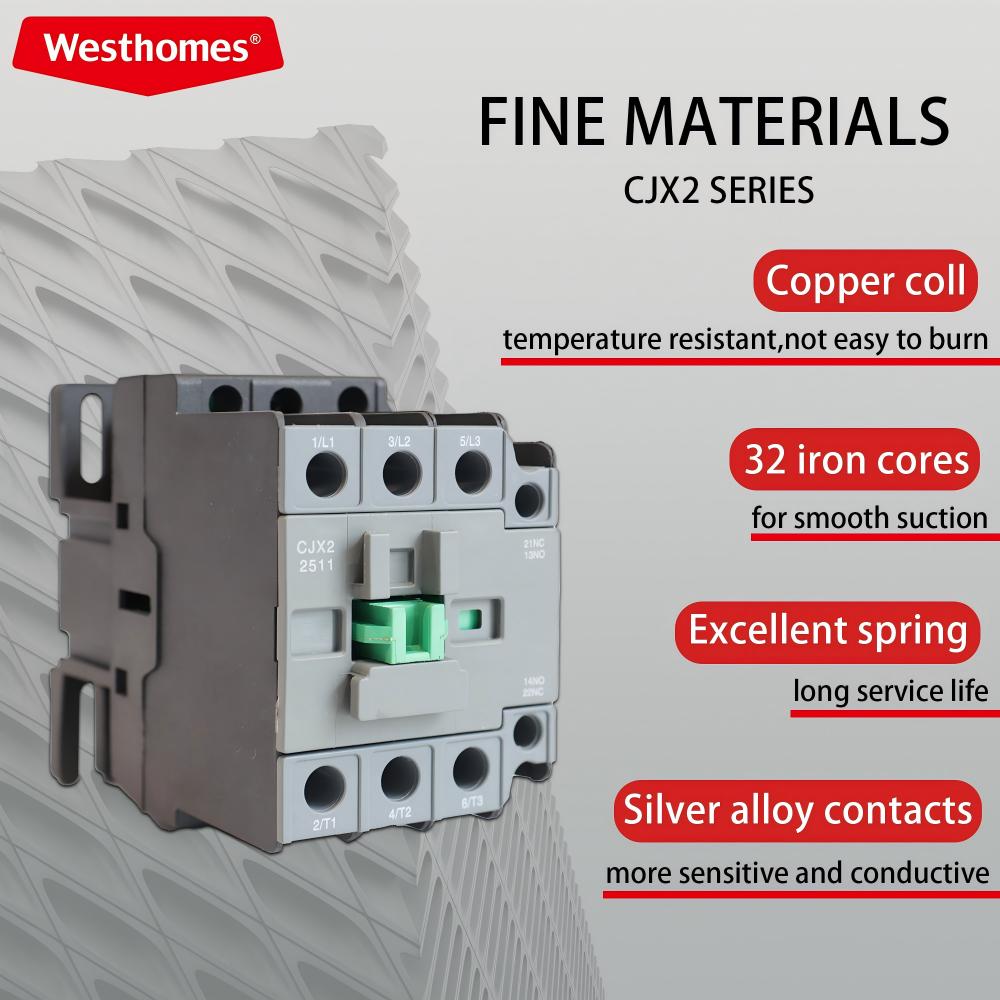
Because the electrical panel is the beating heart of your power infrastructure, ignoring these abnormal sounds can lead to catastrophic equipment failure or severe fire hazards. Understanding what these sounds mean and exactly when to act is critical for facility safety.
Normal vs Abnormal Panel Sounds
The very first diagnostic step is distinguishing between sounds that are characteristic of healthy equipment and sounds that indicate a dangerous fault.
The Normal Steady Hum
All AC powered devices that contain magnetic coils will produce a soft 50 Hz or 60 Hz hum. This includes contactors, relays, and circuit breakers with electronic trip units. This normal sound is steady, consistent in volume, and does not change when loads are switched on or off. It should be barely audible from a few feet away in a quiet room.
Transformers inside the panel, such as control power transformers and voltage sensing transformers, also hum. A dry type control transformer typically produces slightly more audible noise than an oil filled transformer, but the sound should always remain steady over time.
The Abnormal Buzzing
A buzzing that changes in volume or pitch when a motor starts, a heating element energizes, or a lighting circuit switches on indicates a current dependent condition. This is not normal magnetic resonance. It is a direct response to load current that points to a loose connection, a failing internal contact, or a dangerous arcing fault.
If the buzzing is intermittent, appearing for a few seconds and then stopping, you likely have a thermal expansion issue. As a conductor heats under a heavy load, it expands and shifts within a loose terminal. This movement changes the contact resistance, which alters the magnetic forces on the conductor. The result is an intermittent buzz that may disappear entirely when the panel cools down.
Common Causes and Diagnostic Steps
From a manufacturing and engineering perspective, most panel noise issues trace back to mechanical installation errors or simple component fatigue over time.
Loose Terminal Connections
The single most common cause of panel buzzing is a loose connection at a circuit breaker terminal, a busbar joint, or a neutral bar. The loose connection creates a microscopic gap where the current must jump, producing a harsh vibration right at the point of the gap.
The Fix: An electrician must remove the panel cover, inspect all terminals for heat discoloration, and tighten all accessible terminals to the exact torque specified by the manufacturer. Under torquing allows the connection to work loose again, while over torquing easily strips the terminal threads.
Contactor Coil and Mechanical Issues
A contactor that buzzes loudly when energized has a mechanical problem with its internal magnetic circuit. The most common cause is dirt or corrosion on the pole faces of the armature and the core. If the mating surfaces are not perfectly clean and flat, the armature vibrates violently against the core, producing a very loud buzz.
The Fix: Clean the pole faces with a non abrasive solvent and a lint free cloth. If the internal shaded pole ring is cracked, or if the faces are deeply pitted from years of operation, the entire contactor must be replaced.
Circuit Breakers Operating at Their Limit
A circuit breaker operating near its rated maximum current for extended periods generates significantly more heat than a lightly loaded breaker. Inside the thermal trip element, the bimetal strip becomes partially deflected and sits very close to the trip point. At this operating threshold, tiny fluctuations in load current cause the bimetal strip to move slightly, producing a buzzing sound from the mechanical linkage.
The Fix: Measure the load current on each circuit. If a breaker is loaded above eighty percent of its continuous rating, you must redistribute the loads or install a higher rated circuit if the existing wire gauge allows it.
Arcing Inside the Panel
An internal electrical arc produces a sizzling or crackling sound that is highly distinct from the steady hum of a mechanical issue. The sound is irregular and may be accompanied by visible flickering light inside the panel.
The Fix: An arc inside a panel is an immediate fire hazard and an extreme shock risk. Do not open the panel cover while it is energized. Isolate the panel at the upstream breaker immediately and call a licensed professional.
Immediate Shutdown vs Scheduled Maintenance
Knowing how to respond to panel noise prevents unnecessary downtime while keeping your facility safe.
| Condition Observed | Recommended Action | Severity Level |
| Buzzing accompanied by the smell of ozone or burning plastic. | Shut down immediately. | Critical Emergency |
| Sizzling or crackling sounds with visible flickering light. | Shut down immediately. | Critical Emergency |
| Buzzing that started suddenly and gets louder over hours. | Shut down immediately. | High Risk |
| Steady vibration noise that only happens when a specific machine runs. | Schedule maintenance soon. | Moderate Risk |
| Faint, steady hum that never changes volume or pitch. | Monitor during annual checks. | Normal Operation |
Frequently Asked Questions
Q Is it safe to tighten buzzing breakers myself?
A: No. Working inside an open electrical panel exposes you to live busbars and fatal voltage levels. Only a licensed electrician wearing the appropriate personal protective equipment should ever remove a panel cover to tighten terminals or perform diagnostics.
Q Can a buzzing circuit breaker cause a fire?
A: Yes. If the buzzing is caused by a loose connection or an internal arc, it generates immense localized heat. Over time, this heat melts the wire insulation and eventually ignites the plastic breaker casing and surrounding materials.
Q Why does my panel buzz only during the summer?
A: Summer brings higher ambient temperatures and heavier electrical loads from air conditioning units. This combination pushes circuit breakers closer to their thermal limits and exacerbates thermal expansion issues at loose terminal connections.
Protect Your Infrastructure with Westhomes
A panel that is properly maintained operates quietly and reliably. The buzzing that prompts a maintenance call is simply your electrical system reporting a problem before it becomes a catastrophic failure.
When it is time to replace fatigued components or upgrade your facility infrastructure, relying on factory direct, precision engineered parts makes all the difference.
As a leading professional manufacturer, Westhomes designs and produces premium circuit protection devices built for ultimate reliability. From robust industrial contactors to advanced arc fault detection systems, our components ensure your panels run safely and silently.
Do not wait for a buzzing panel to become an expensive power outage. Upgrade your systems with reliable Westhomes electrical components today and secure the safety of your facility.

--- END ---
In this blog
Featured Articles
Get A Free Quote