Get quick appointment for technical support!

What Types of MCBs Are Best for Residential Electrical Panels?
May 20, 2026
Have you ever plugged in your vacuum cleaner or turned on your air conditioner, only to have the power instantly shut off in your entire living room? It is an incredibly frustrating experience. Most of the time, the problem is not a broken appliance. The real culprit is usually a mismatched miniature circuit breaker sitting inside your electrical panel.
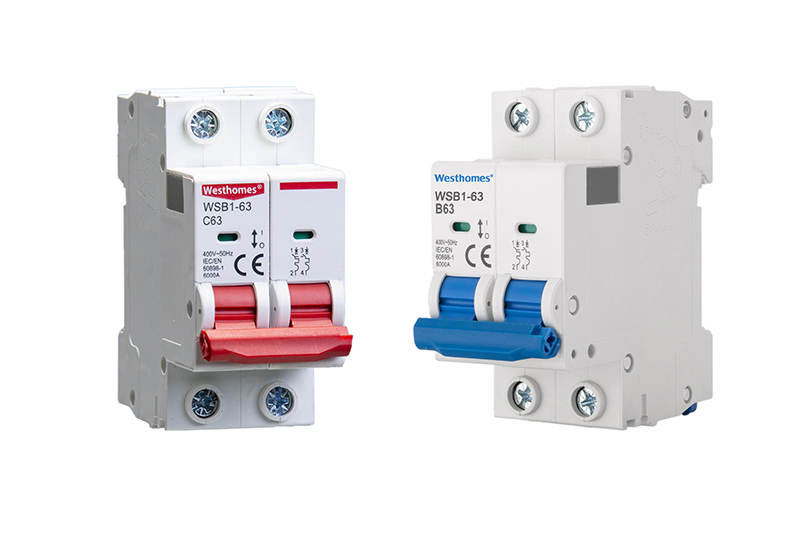
When you are building a new house or upgrading your distribution board, buying the right breaker is not just about checking the amperage. You have to choose the correct trip curve. So, what types of MCBs are best for residential electrical panels? For almost all homes, Type B and Type C breakers are the exact components you need.
Let us break down the technical jargon into plain English so you can build a safe, reliable, and completely frustration free electrical network for your family.
The Main Contenders: Type B versus Type C
Not everything in your house consumes electricity the same way. A living room ceiling light sips power gently, while a refrigerator compressor needs a massive gulp of energy just to start up. Because of this, you need different breakers for different rooms.
Type B Breakers for Standard Needs
This is your everyday domestic workhorse. Type B breakers are designed to trip very quickly when they detect an electrical current three to five times their rated limit. They act incredibly fast to protect your household lighting circuits and standard wall outlets from small daily power surges.
You should install these in bedrooms, hallways, and living rooms where you plug in normal electronics like televisions, lamps, and phone chargers.
Type C Breakers for Heavy Motor Appliances
If you use a highly sensitive Type B breaker for a washing machine, the normal starting surge of the motor will trick the breaker into tripping. This is exactly where Type C steps in. Type C breakers are built to handle a moderate inrush of current without shutting off the power by mistake. They are the absolute best choice for heavy appliances with motors, such as refrigerators, air conditioning units, and water pumps.
Quick Reference Comparison Guide
To make your electrical planning a bit easier, here is a simple breakdown of how these two main types compare.
| Feature | Type B MCB | Type C MCB |
| Best Used For | Lighting and standard sockets | Appliances with electric motors |
| Ideal Rooms | Bedrooms and living spaces | Kitchens and laundry rooms |
| Trip Sensitivity | Very high | Moderate |
| Common Examples | Computers heaters and lamps | Refrigerators and air conditioners |
Advanced Safety Features and Industrial Warnings
Now that we know the basics, we need to talk about enhanced safety features and one specific breaker type you must absolutely avoid placing in your home.
The Magic of RCBO Components
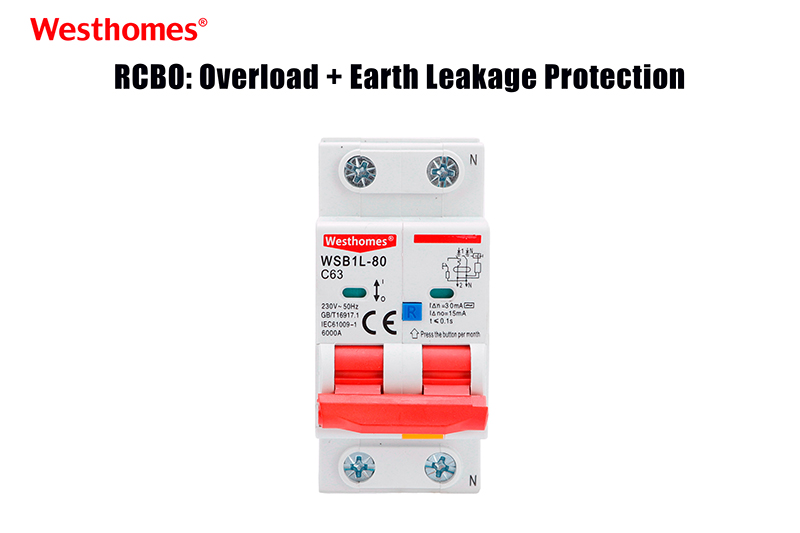
If you are aiming for the highest possible standard of residential safety, you should definitely look into RCBOs. An RCBO stands for Residual Current Breaker with Overload Protection. It takes the standard overcurrent protection of a Type B or Type C breaker and combines it with advanced earth leakage detection.
In simple terms, it stops your wires from catching fire while simultaneously protecting human beings from lethal electrical shocks. These are highly recommended for wet environments like bathrooms and outdoor patios.
Why You Must Avoid Type D
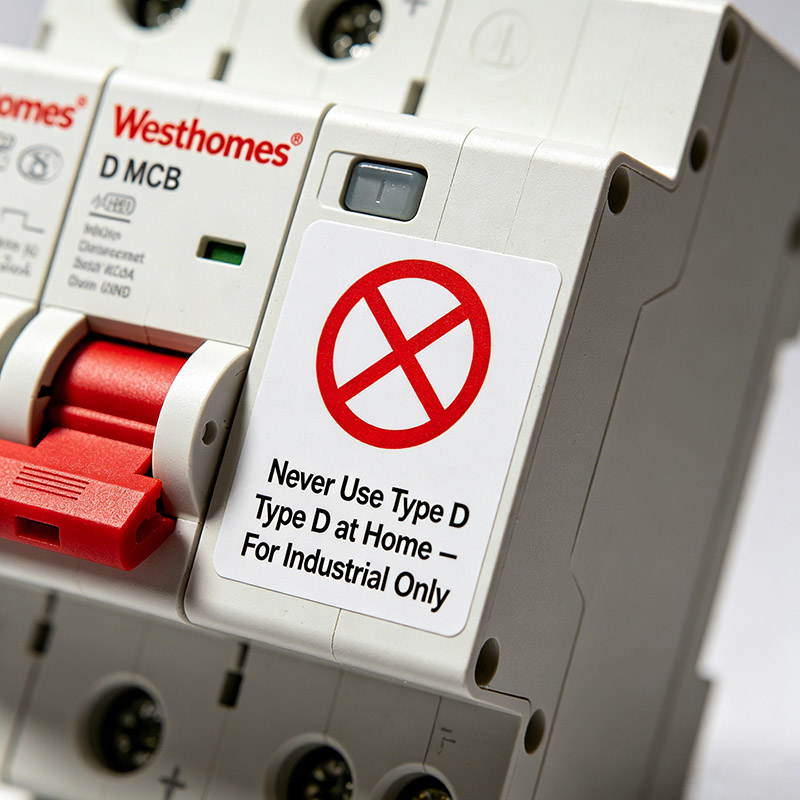
Sometimes people see Type D breakers at the hardware store and assume that a higher letter means stronger protection. Please do not make this dangerous mistake. Type D breakers are explicitly designed for heavy industrial equipment like massive factory welding machines.
They tolerate extremely high starting currents. If you put one in a standard home panel, it will simply ignore a normal household electrical fault. Your internal wiring could literally melt before a Type D breaker decides to trip.
Key Details to Check Before You Buy
Choosing between B and C is the biggest step, but you also need to verify a few technical details on the box before making your final purchase.
Breaking Capacity Matters
For most residential homes, a standard 6kA breaking capacity is perfectly sufficient to handle daily electrical faults. However, if you want ultimate peace of mind, upgrading to a 10kA unit provides an even higher safety buffer against massive unexpected surges.
Counting the Poles
You will see options for One Pole and Two Pole configurations. A One Pole unit is used for basic circuits and only disconnects the live wire. A Two Pole unit is much better for high power machines like large central electric heaters because it safely disconnects both the live and neutral wires for total electrical isolation.
Brand Reputation is Crucial
Electrical safety panels protect your home while you sleep. Always stick to reputable global brands that guarantee strict compliance with IEC safety standards so you know the device will actually work when disaster strikes.
Summary
Selecting the right breaker completely eliminates the annoyance of accidental power trips while keeping your property perfectly safe from electrical fires. Use Type B for your lights, use Type C for your heavy motor appliances, and always remember to hire a certified professional for the installation.
When it comes to sourcing these critical devices, partnering with a dedicated manufacturer ensures strict quality control and total reliability. As a professional manufacturer of premium distribution panels and safety breakers, West Homes Electrical provides exactly what you need to build a highly secure home network and power your life safely.

--- END ---
