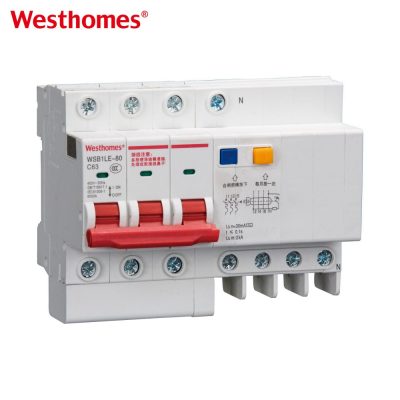
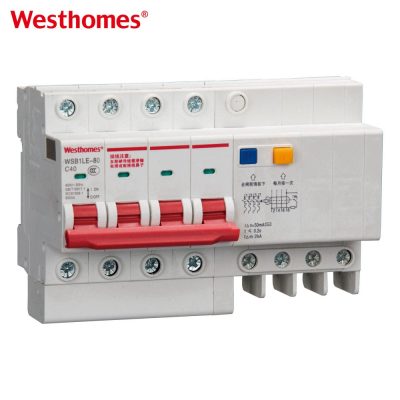
WSB7-63 Moulded case circuit breaker
WSB7-63 is one of updated type MCCBs researched and developed by the company by using advanced design and manufacture technology internationally.
Get quick appointment for technical support!

WSB7-63 series MCB is one of updated type MCCBs researched and developed by the company by using advanced design and manufacture technology internationally.
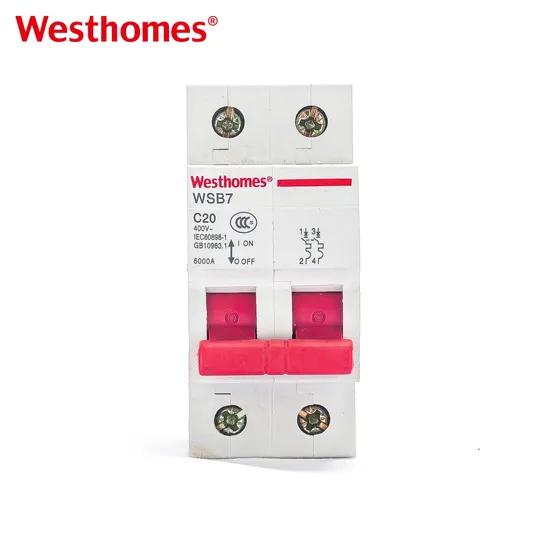
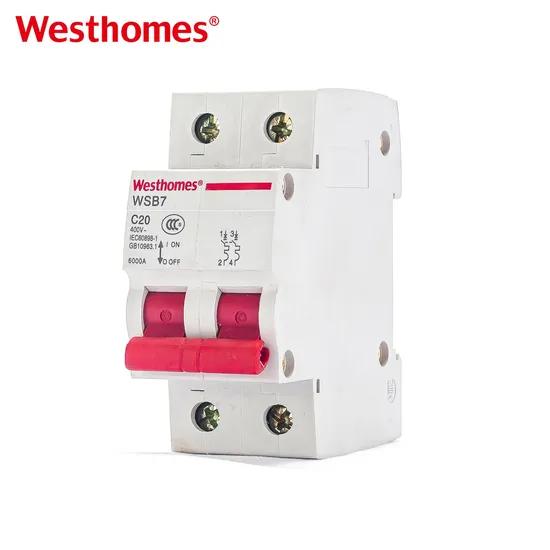
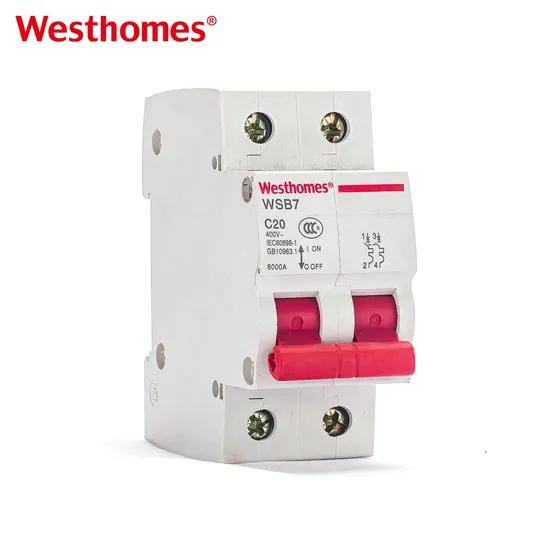
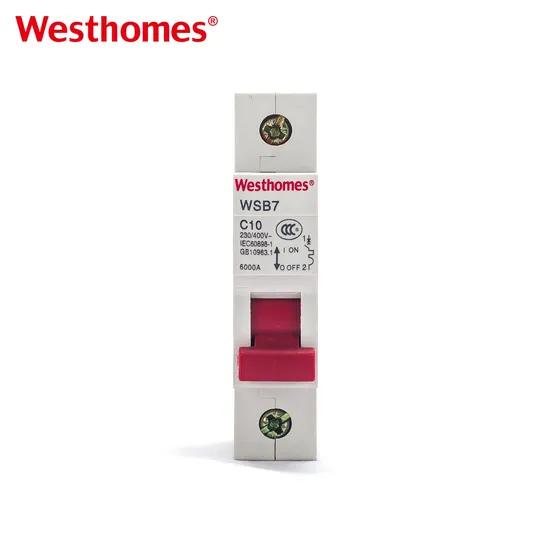
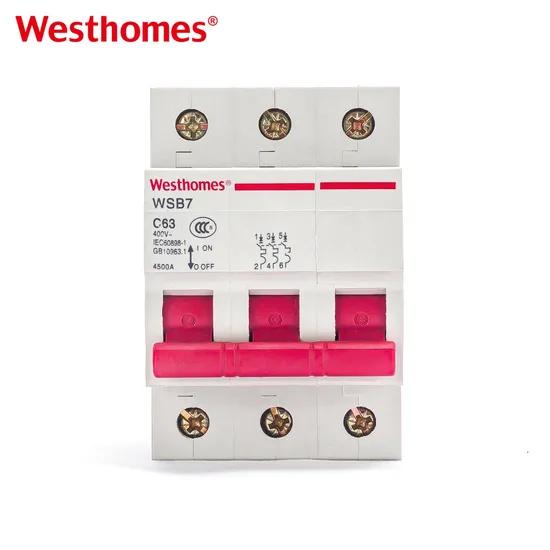
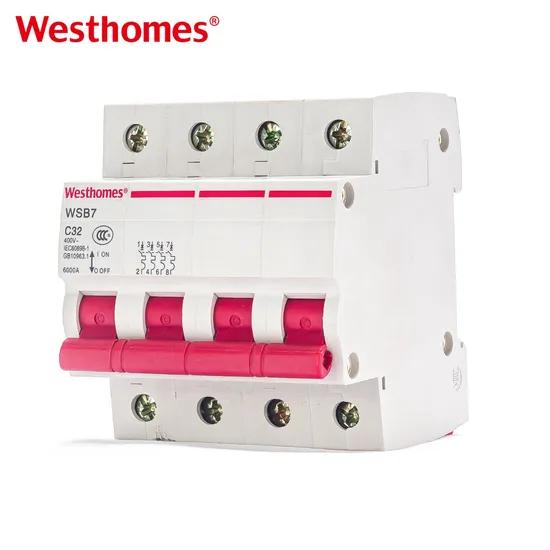
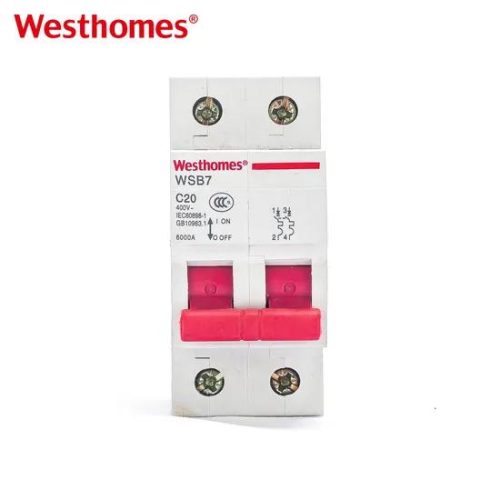
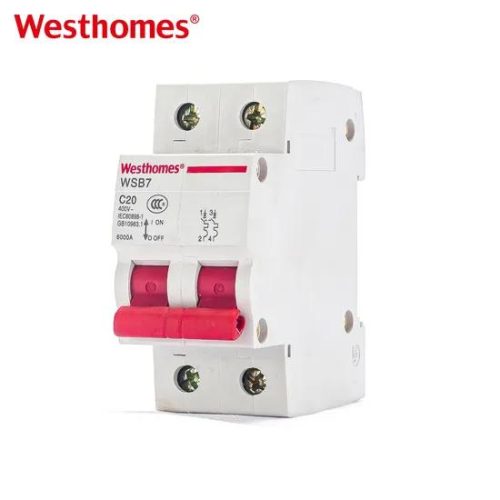
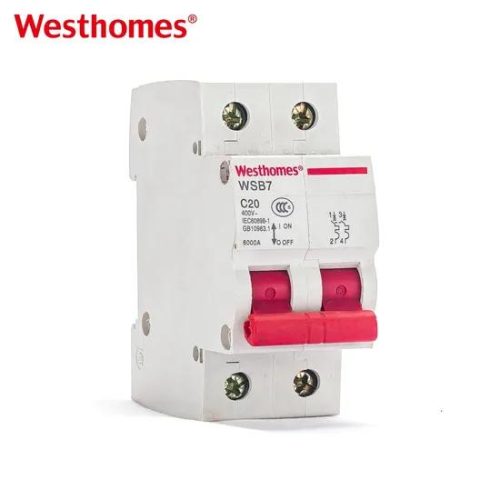
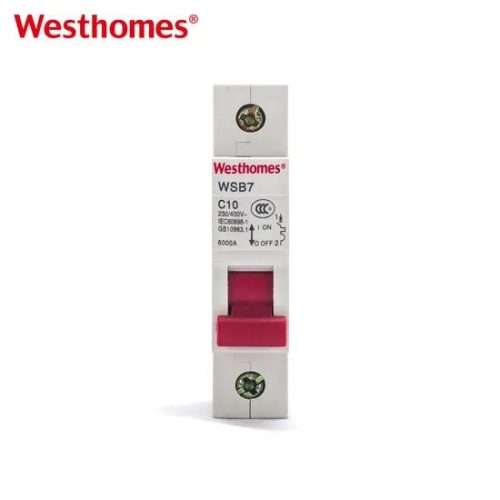
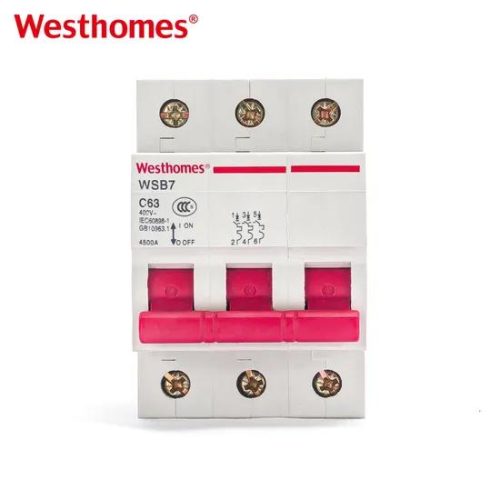
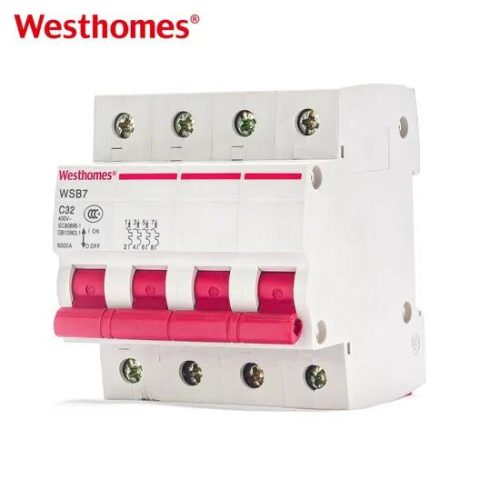
WSB7-63 is one of updated type MCCBs researched and developed by the company by using advanced design and manufacture technology internationally.
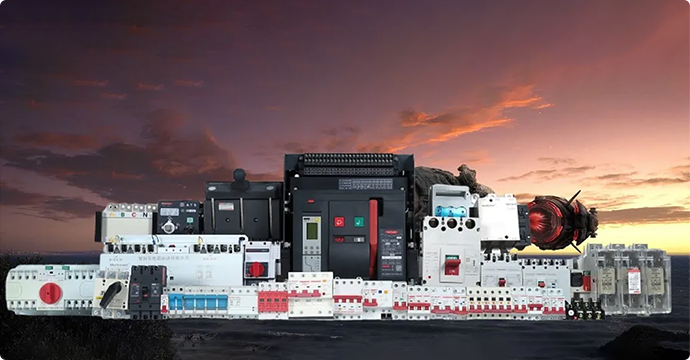
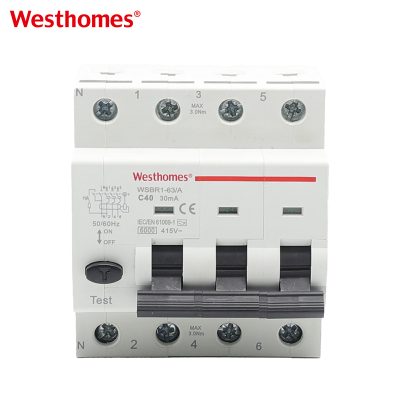
WSB7-63 series high breaking miniature circuit breaker is applied in line of AC 50/60Hz, rated voltage 230/400V and rated current up to 63A for overload and short circuit protection, also for usage of infrequent operation switching of line under nomal circumstance. It is used at places of industrial, commercial, high-rise and residula buildings, meets standards IEC/EN60898-1 and GB10963.1.
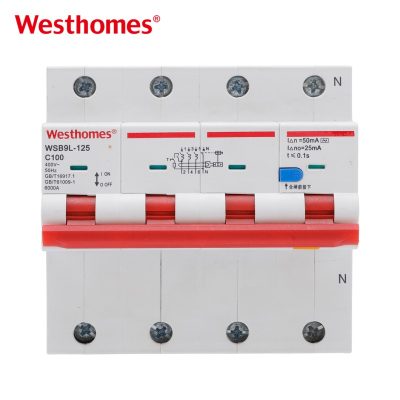
WSB7LE-63 series redisual current operation circuit breaker (with over-current protection) is applied in line of AC 50/60Hz, rated voltage 240/400V and rated current up to 63A. The residual current operation circuit breaker can cut fault current in a very short time period when personal touching or current leakage of the net exceeding the specified value. It can also for usage of overload, short circuit, infrequent switching of the line, and infrequent starting of the motor. The product is used at place of industrial, commercial, high-rise and residential building, meets standards of IEC 61009-1 and GB 16971.1
| Pole | 1P, 2P, 3P, 4P |
| Voltage | AC230V/400V |
| kA | 4.5kA, 6kA |
| Amps | 6, 10, 16, 20, 25, 32,40, 50, 63 |
| Width | 18, 36, 54, 72mm |
| Pole | 1P+N |
| Voltage | AC230V |
| kA | 6kA (6-40A); 4.5kA (50-63A) |
| Amps | 6, 10, 16, 20, 25, 32,40, 50, 63 |
| Width | 36mm |
| Current rating (A) | 6, 10, 16, 20, 25, 32, 40, 50, 63 | ||
| Type of instantaneous tripper | Type B (3-5)In; Type C (5-10)In; Type D (10-20)In | ||
| Pole (P) | 1P, 2P, 3P, 4P | ||
| Rated short circuit breaking capacity | Current rating (A) | 1-63A | |
| Pole (P) | 1P, 2P | 3P, 4P | |
| Rated voltage (V) | 230 / 400 | 400 | |
| Rated short circuit breaking current (A) | 6000 (6-40A); 4500 (50-63A) | ||
| Power factor COSΦ | 0.7 | ||
| Mechanical electrical life | Current rating (A) | 1-32A | 40-63A |
| Electrical life (times) | 4000 | ||
| Mechanical life (times) | 20000 | ||
| Operation frequency (times / hour) | 240 | 120 | |
| Current rating (A) | 6, 10, 16, 20, 25, 32, 40, 50, 63 | ||||||||||
| Rated residual action current I△n (mA) | 30 | ||||||||||
| Rated residual non-action current I△no (mA) | 15 | ||||||||||
| Rated voltage (V) | 230 | ||||||||||
| Max breaking time (s) | I△n | 0.2 | |||||||||
| 2I△n | 0.1 | ||||||||||
| 5I△n | 0.04 | ||||||||||
| Rated short circuit breaking capacity (kA) | 6 | 4.5 | |||||||||
| Type of instantaneous releaser | Type C | Type D | |||||||||
| Test current | 1.13In | 1.45In | 2.55In | C | D | ||||||
| 5In | 10In | 10In | 20In | ||||||||
| Initial state | Cold | Thermal | Cold | Cold | Cold | Cold | Cold | ||||
| Test time (L) | t≥1h | t<1h | 1s | 1s | t≥0.1s | t<0.1s | t≥0.1s | t<0.1s | |||
| Current rating (A) | 6, 10, 16, 20, 25, 32, 40, 50, 63 | ||
| Residual operation current rating (A) | 0.03, 0.1, 0.3 | ||
| Pole (P) | 1P+N, 2P, 3P, 3P+N, 4P | ||
| Rated ultimate short circuit breaking capacity Icn | 6000 A | ||
| Rated operation short circuit breaking capacity Ics | 6000 A | ||
| Rated residual non-action current I△no | 0.5I△n | ||
| Breaking time of residual current action | In (A) | 6, 10, 16, 20, 25, 32, 40, 50, 63 | |
| I△n (A) | 0.03, 0.1, 0.3 | ||
| Residual current (I△) | I△n | 0.1 | |
| 2I△n | 0.06 | ||
| 5I△n | 0.04 | ||
| Breaking time when equals value is below (s) | 500A | 0.04 maximum breaking time | |
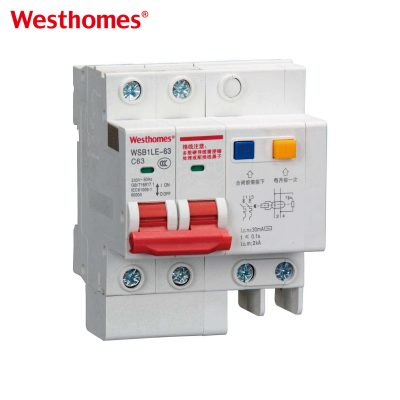
A 2-pole MCB switches both the phase and neutral conductors together with a common trip mechanism, guaranteeing that phase and neutral open at the same time. This prevents the hazard of the neutral being disconnected while the phase remains live, which can cause equipment damage and electric-shock risk in single-phase circuits.
Connect the incoming phase (L) to one top terminal and the neutral (N) to the adjacent top terminal; the corresponding bottom terminals feed the downstream load. Because both poles are mechanically linked, the handle toggles both contacts simultaneously, giving full two-pole isolation of the single-phase circuit.
The 2P WSB7-63 is produced on an automated assembly line with in-line electrical testing, so every unit undergoes automatic calibration of thermal and magnetic trip points and mechanical cycle checks. This automated process delivers consistent performance, tight manufacturing tolerances and reliable batch-to-batch breaking capacity.
The WSB7-63 2P frame supports standard ratings from 6 A up to 63 A, commonly 6, 10, 16, 20, 25, 32, 40, 50 and 63 A. Choose the rating so that the long-time trip setting comfortably exceeds the normal load current but remains below the cable's ampacity to ensure the wire is protected.
As with the rest of the WSB7-63 family, the 2P is available in B, C and D curves. Curve B suits lighting and low-inrush socket circuits; curve C suits general single-phase power and small motor loads; curve D suits loads with heavy starting surge such as small transformers or high inrush inverters.
Yes. A 2P MCB is a common choice as the single-phase main incomer in residential and light commercial consumer units, because it isolates both live and neutral. For full-earth-leakage protection, however, pair it with a separate RCCB or upgrade to an RCBO such as the WSB5(L)-40 for combined protection.
The WSB7-63 2P simply snaps onto a standard 35 mm DIN rail inside a distribution board, with the top clip engaging first and a lower spring clip locking it in place. To remove, pull the lower clip down with a screwdriver and lift the breaker off the rail. This modular design speeds up installation and future replacement.
Short-time tripping on appliance start-up usually indicates either a tripping curve that is too sensitive for the inrush current or a rating too close to the running current. Check the appliance's locked-rotor or inrush current and consider moving from a B to a C curve, or a one-step higher current rating if the upstream cable can carry it.
Yes. The series is designed and type-tested to IEC 60898-1 for AC miniature circuit breakers and carries CE marking, ensuring consistent operating characteristics, thermal stability and short-circuit performance for the 2P configuration as well as 1P, 3P and 4P variants.
Keep the breaker dry, free of dust and within the rated ambient temperature. Check terminals annually with a torque screwdriver, look for discoloration or hot spots, and operate the handle a few times a year to keep the mechanism free. Never attempt to dismantle or refill arc-quenching parts; replace the unit if it operates abnormally.
* indicates a required field

 2 MB
2 MB