Get quick appointment for technical support!

Isolator Switches & MCB-Type DIN-Rail Disconnector
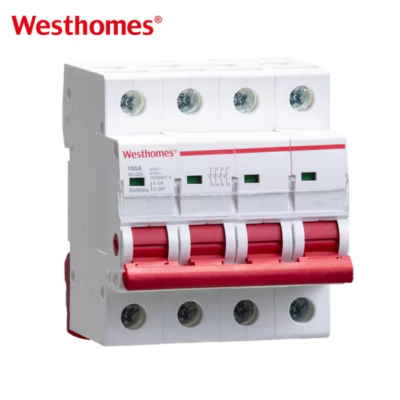
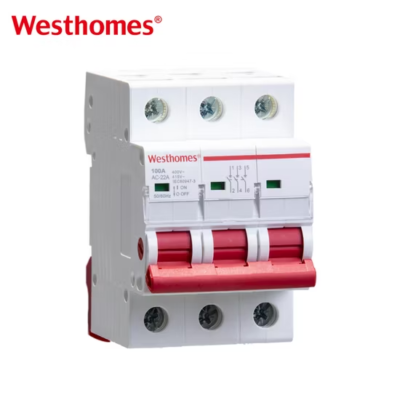
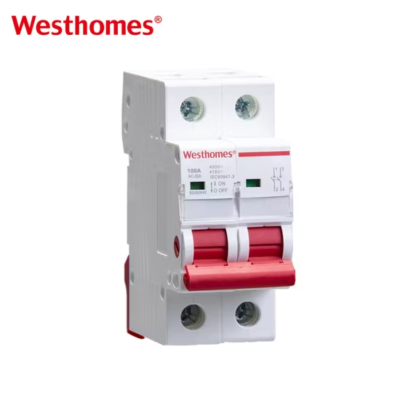
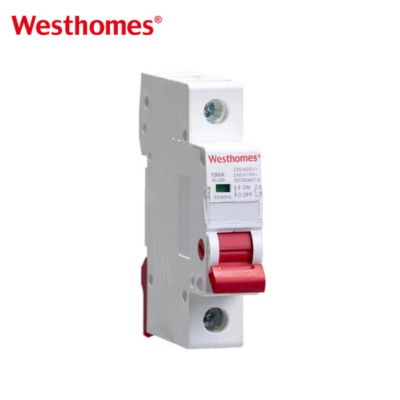
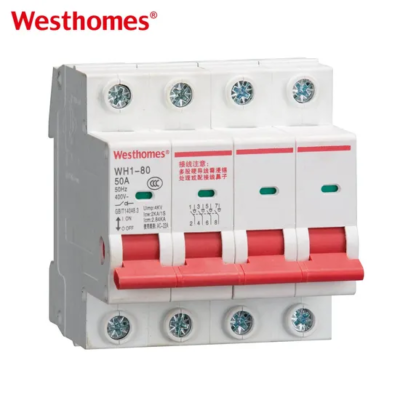
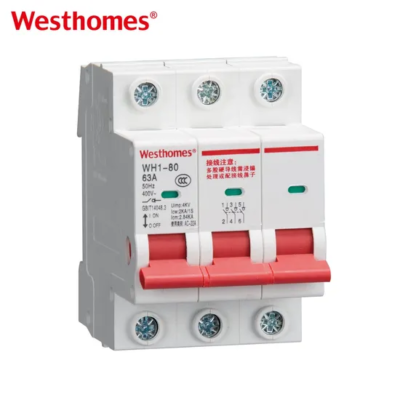
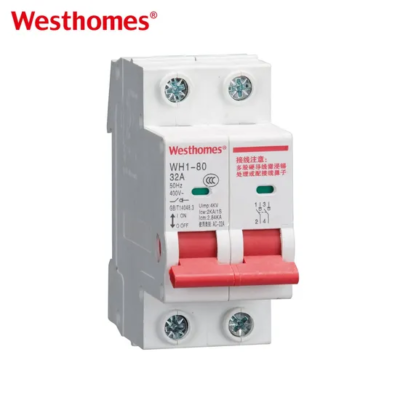
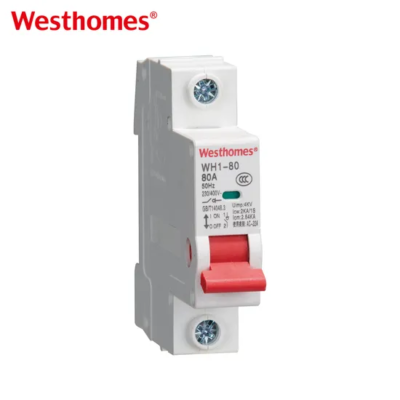
Our “Isolator Switch / Miniature Circuit Breaker Type” category offers a comprehensive range of DIN-rail-mounted isolator switches designed for low-voltage distribution and safe power isolation. These devices are engineered to disconnect power circuits under no-load conditions, ensuring maintenance safety and operational reliability. Featuring modular single-pole, double-pole, and multi-pole versions, they are built with high-strength, flame-retardant housings, double-break contact systems and fast-action mechanisms for industrial, commercial and building installations. Ideal for integrating with MCBs and RCCBs, the series ensures compact form-factor, visible ON/OFF indication and easy DIN-rail installation to support efficient power management and service protection.
Need help finding the perfect product or system?
No problem at all. Let one of our expert advisors point you in the right direction.
FAQ
What is an isolator switch and why is it used?
An isolator switch (also called a disconnect switch) is a manually operated mechanical device that completely disconnects a portion of an electrical circuit from the power source so that maintenance or inspection can be carried out safely.
It is used primarily to provide a visible and physical break in the circuit under no‐load conditions.
How is an isolator different from a miniature circuit breaker (MCB)?
A miniature circuit breaker is designed to automatically interrupt current in case of overloads or short circuits, providing protection. An isolator switch, by contrast, is used for manual disconnection of a circuit when no current flows.
When should an isolator switch not be operated?
Isolator switches are designed to open the circuit only when no load (no current) is flowing. Operating them under load or when current is flowing may damage the device or create hazards.
What types of pole configurations are available for isolator switches?
Isolator switches are available in single-pole (1P), double-pole (2P), three-pole (3P) for three-phase systems, and four-pole (4P) designs which include neutral isolation.
What applications are typical for these isolator switches?
They are used in industrial machinery, commercial buildings, power distribution systems and building services to isolate circuits for maintenance, safety shutdown, or emergency disconnection.
How do I choose the correct isolator switch for my system?
Choose based on system voltage (e.g., AC230V/400V), rated current (e.g., 20A to 125A), pole configuration required, mounting method (DIN-rail), compatibility with other devices (MCB / RCCB), environmental conditions (indoor/outdoor). Consider service frequency, safety requirements and standards compliance.
REQUEST
YOUR FREE QUOTE
* indicates a required field
