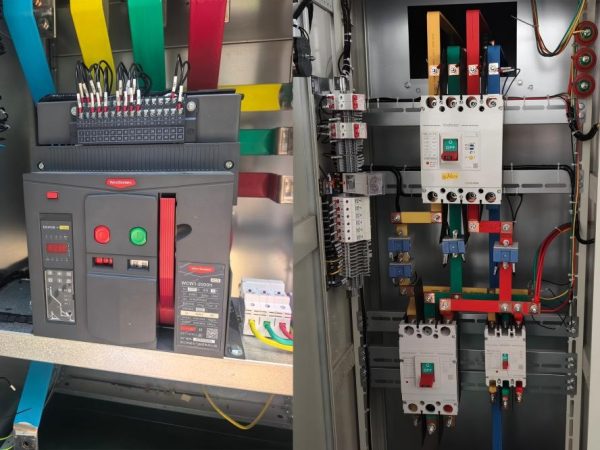
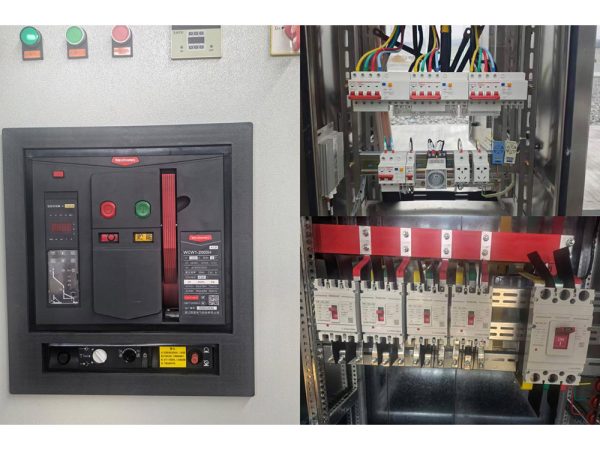
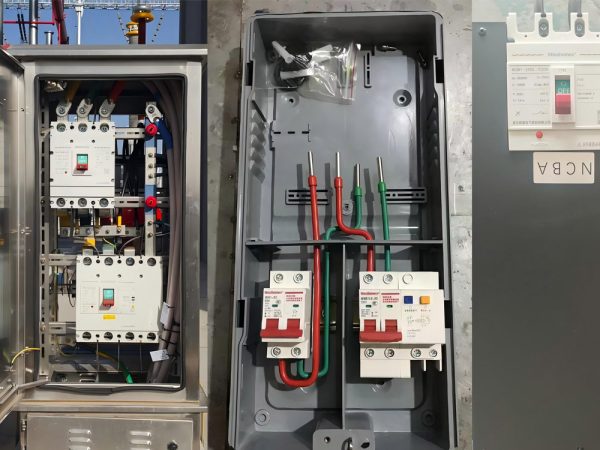
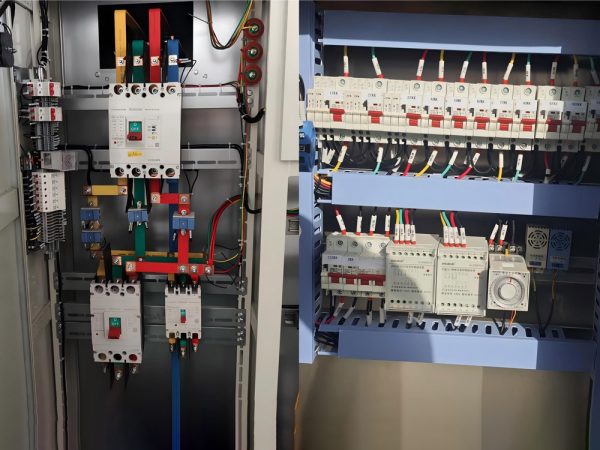
WCM8 Moulded case circuit breaker series
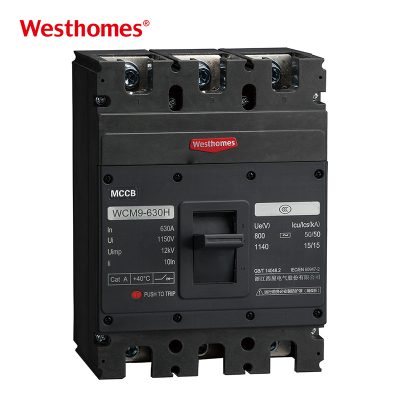
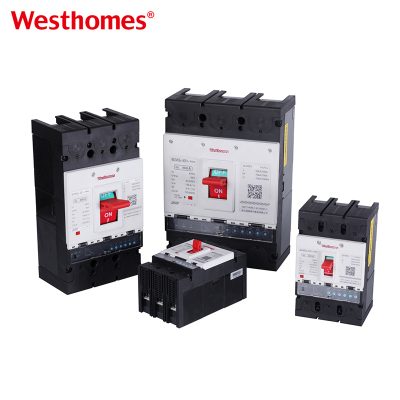
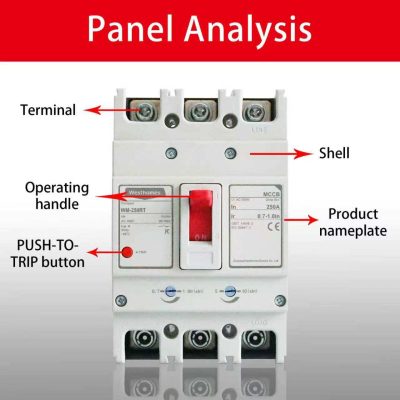
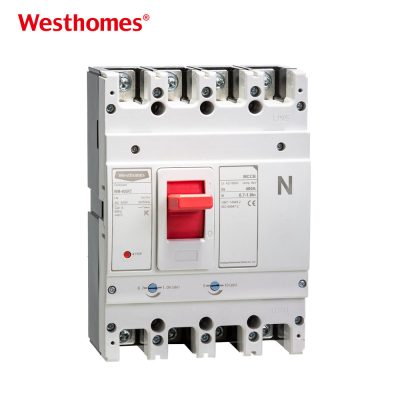
WCM8 series moulded case circuit breaker (MCCB for short) is one of updated type MCCBs researched and developed by the company by using advanced design and manufacture technology internationally.
Get quick appointment for technical support!

WCM8 series moulded case circuit breaker (MCCB for short) is one of updated type MCCBs researched and developed by the company by using advanced design and manufacture technology internationally.

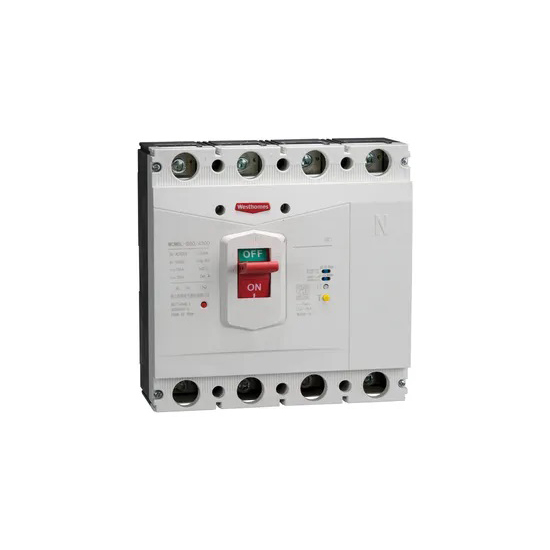
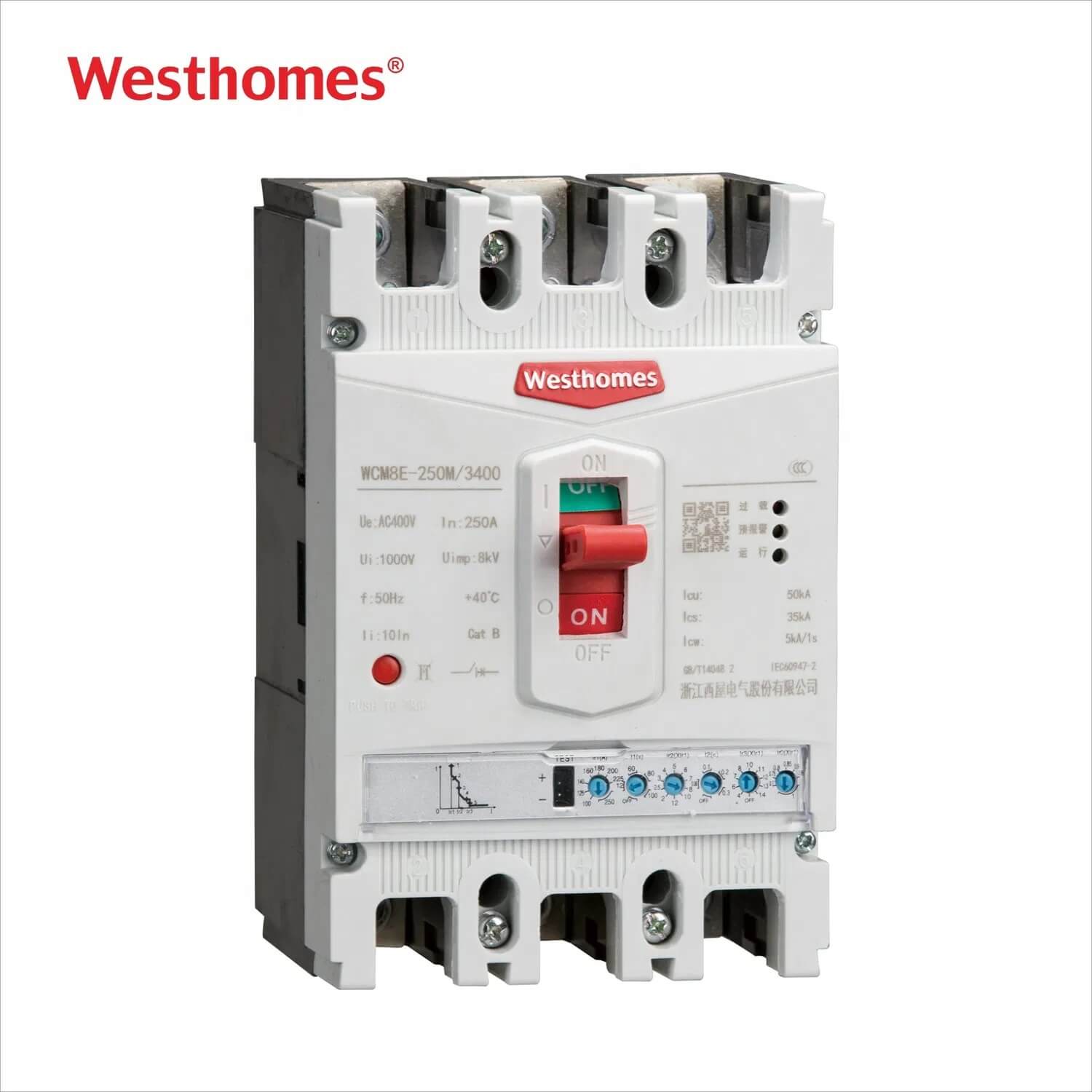
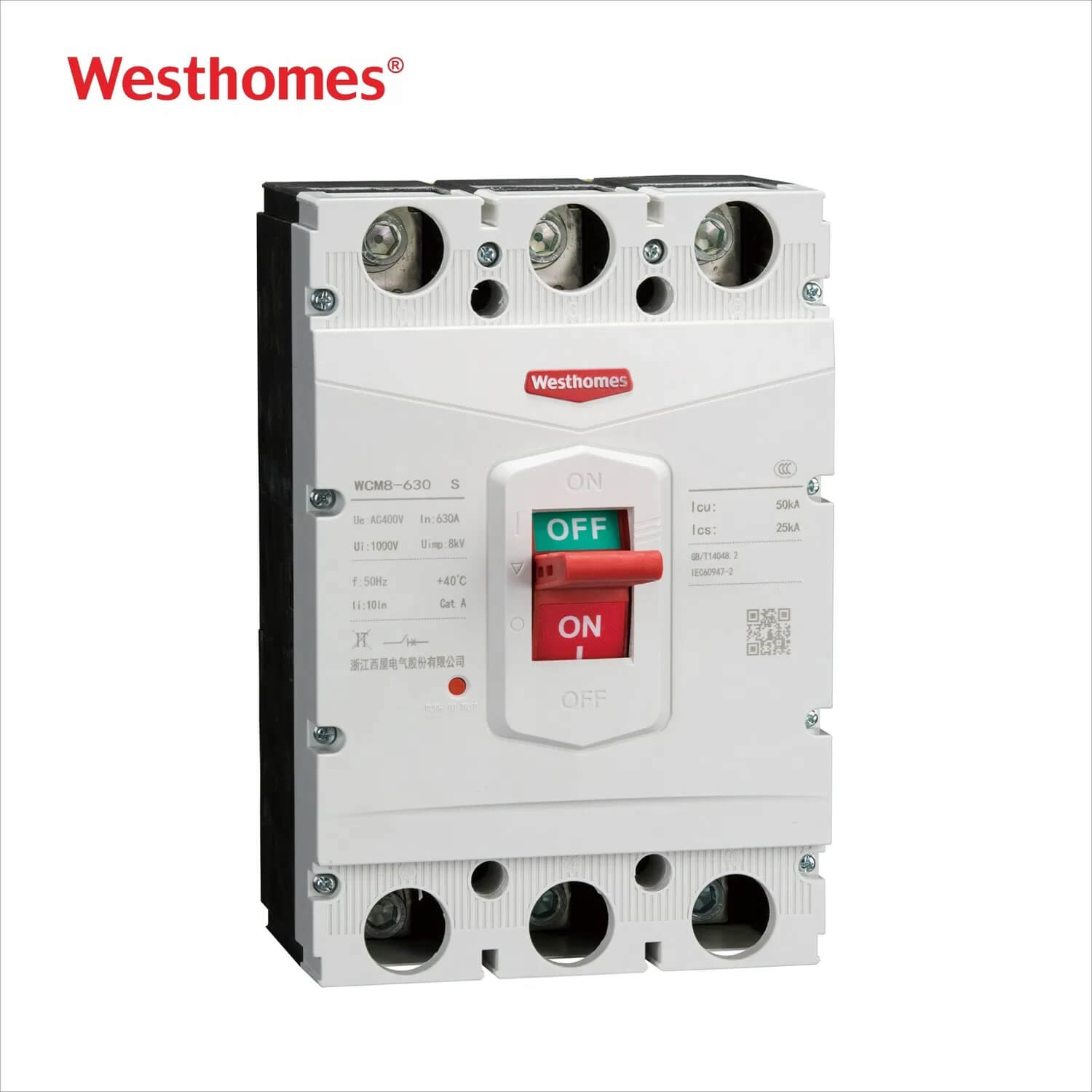
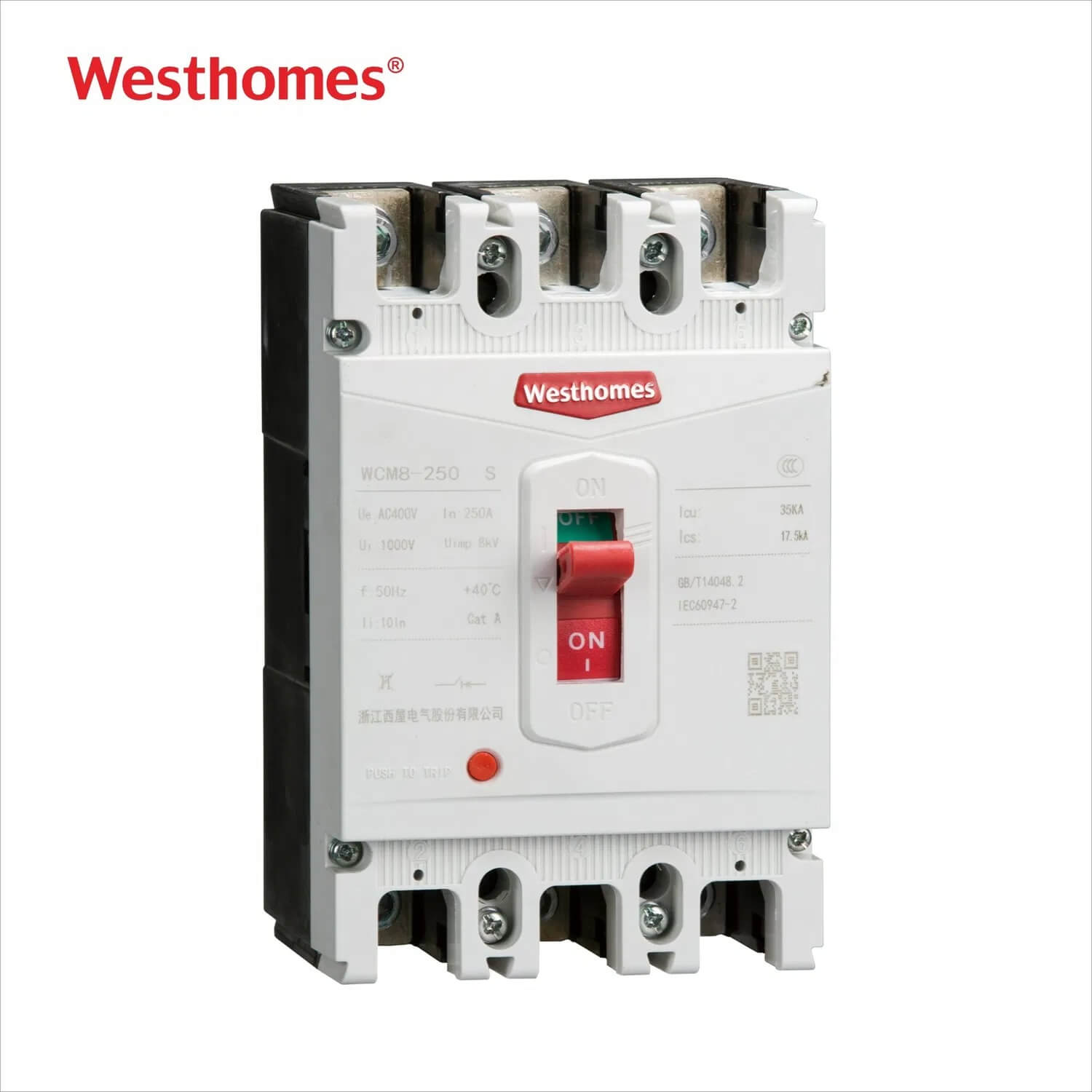
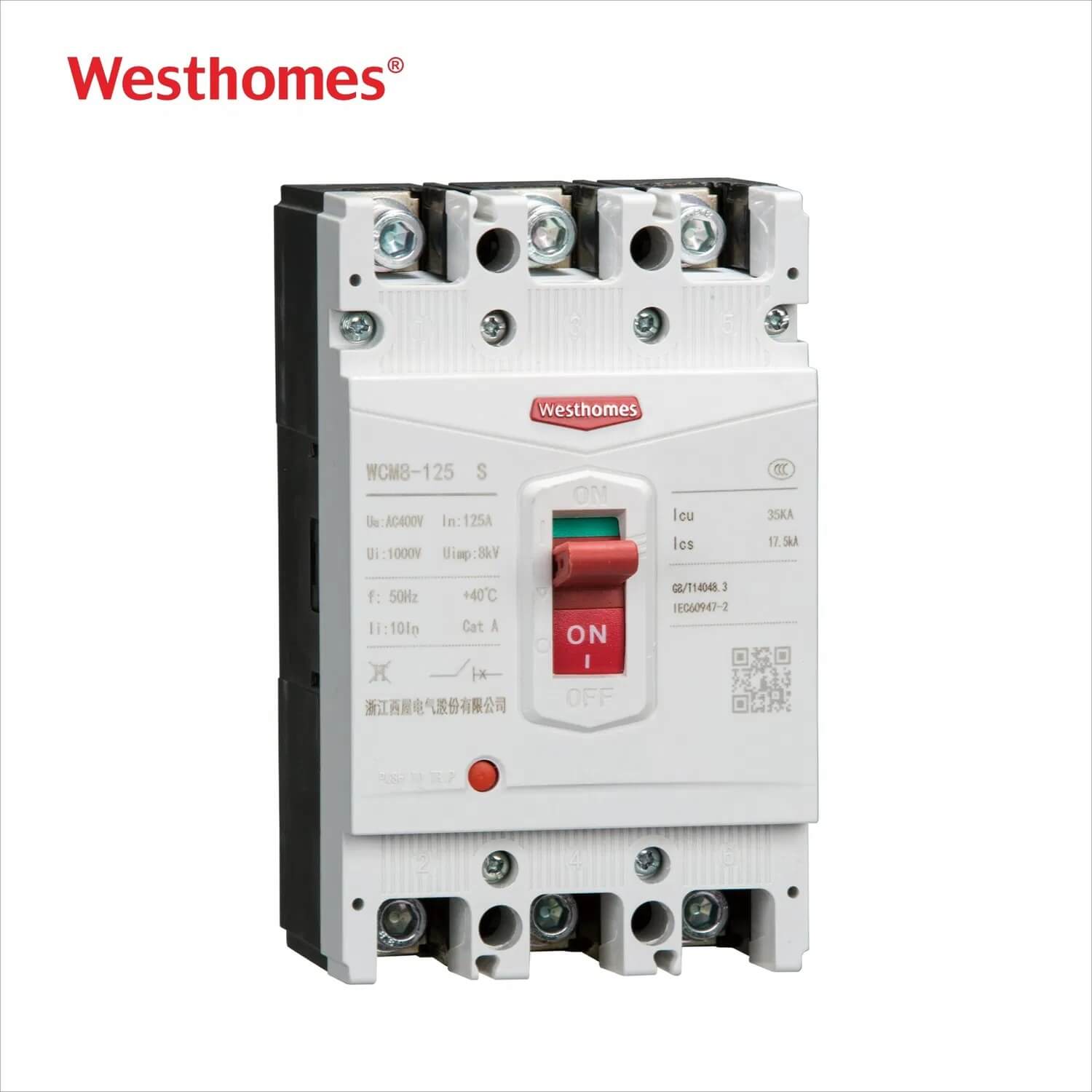

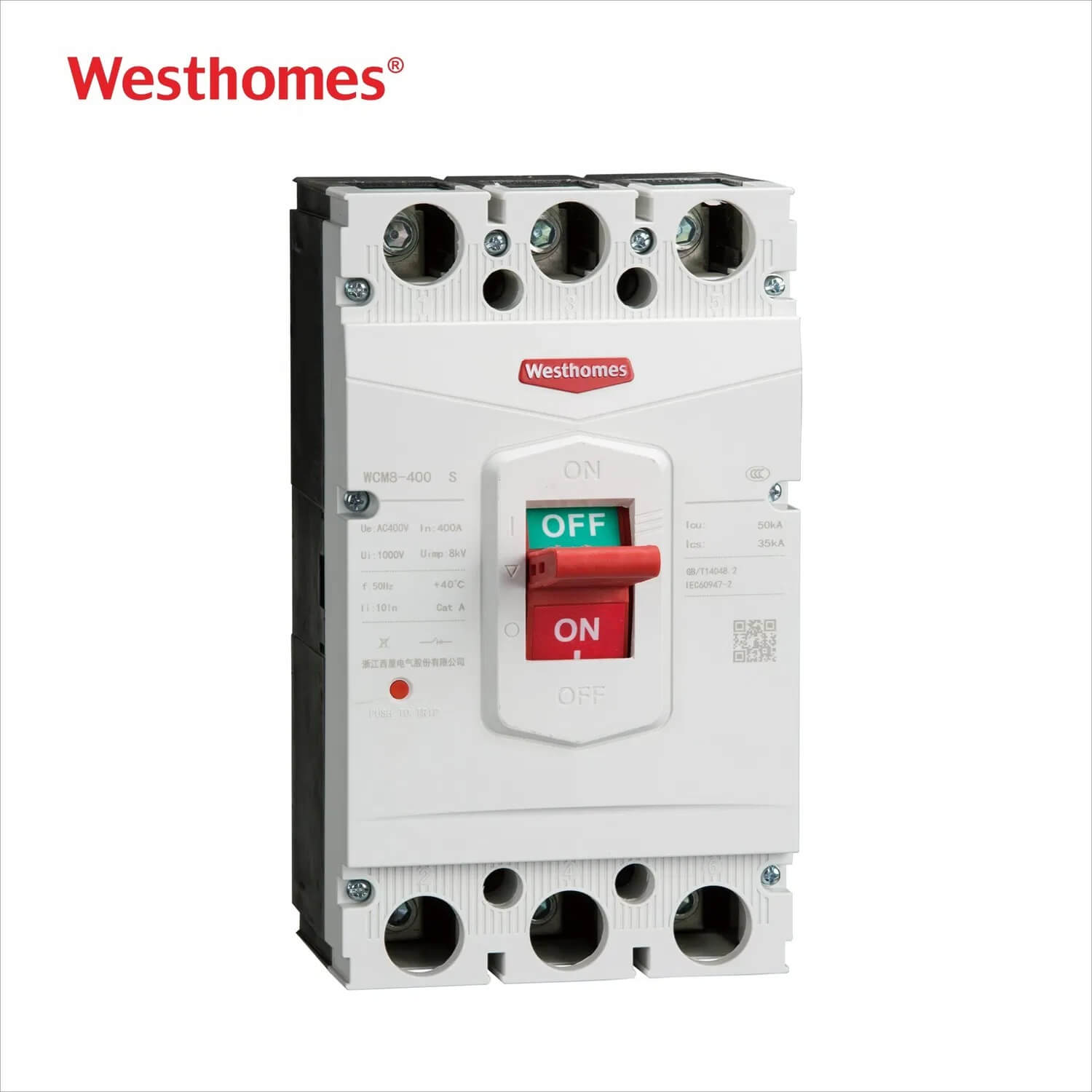
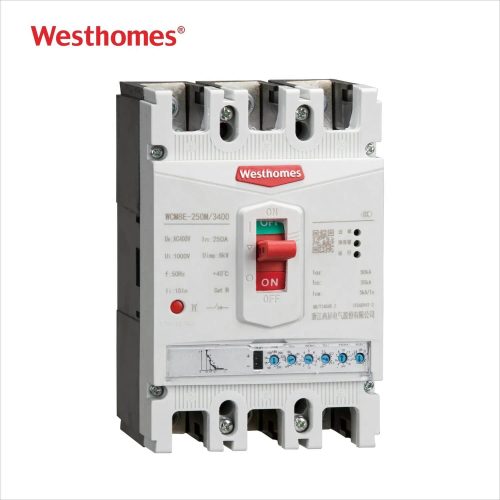
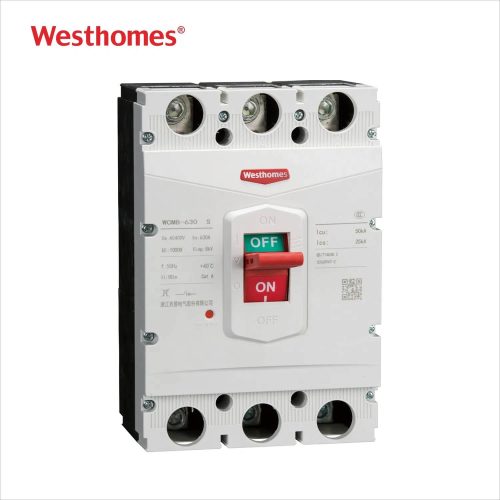
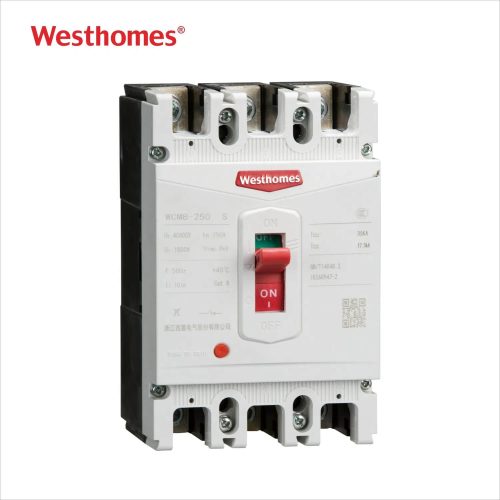
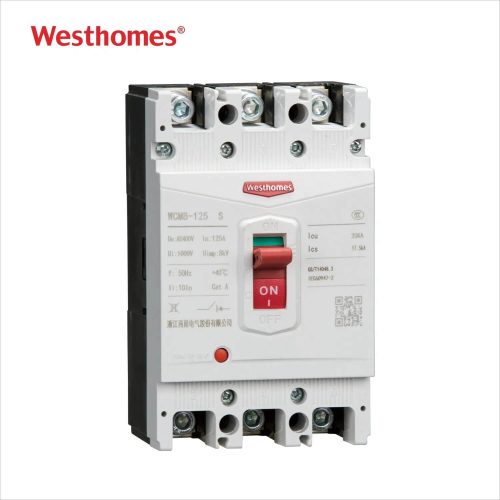
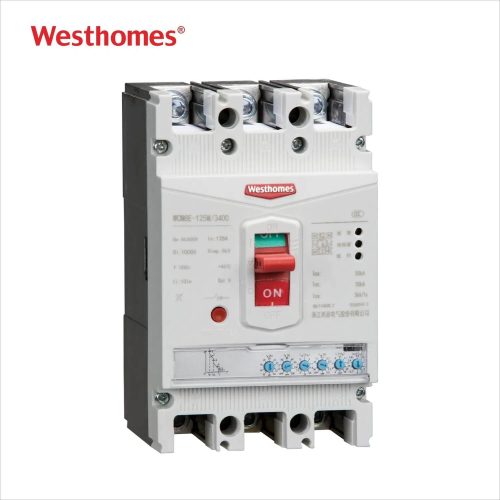
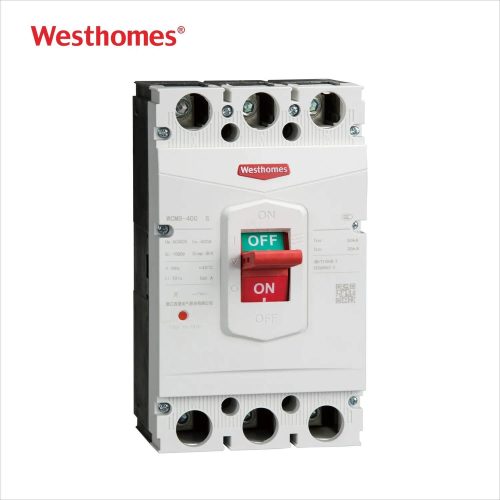
WCM8 series moulded case circuit breaker (MCCB for short) is one of updated type MCCBs researched and developed by the company by using advanced design and manufacture technology internationally.
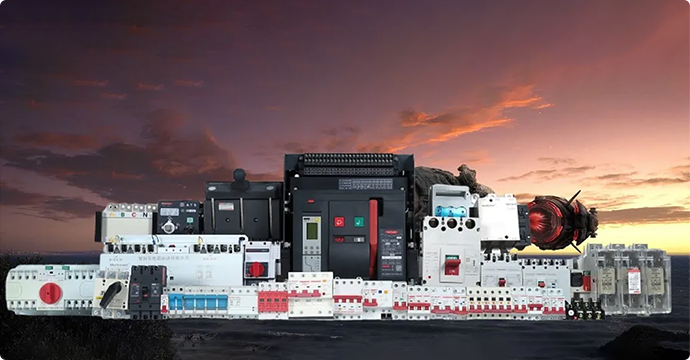
The rated insualted voltage is 800V (500V for WCM1-63). It applies for infrequent switch of the line of AC 50Hz, rated operation voltage 690V and below (400V for WCM1-63), and for infrequent starting of the motor. The MCCB with overload, short circuit and under-voltage protection fitting can protect the line and power device from damage.
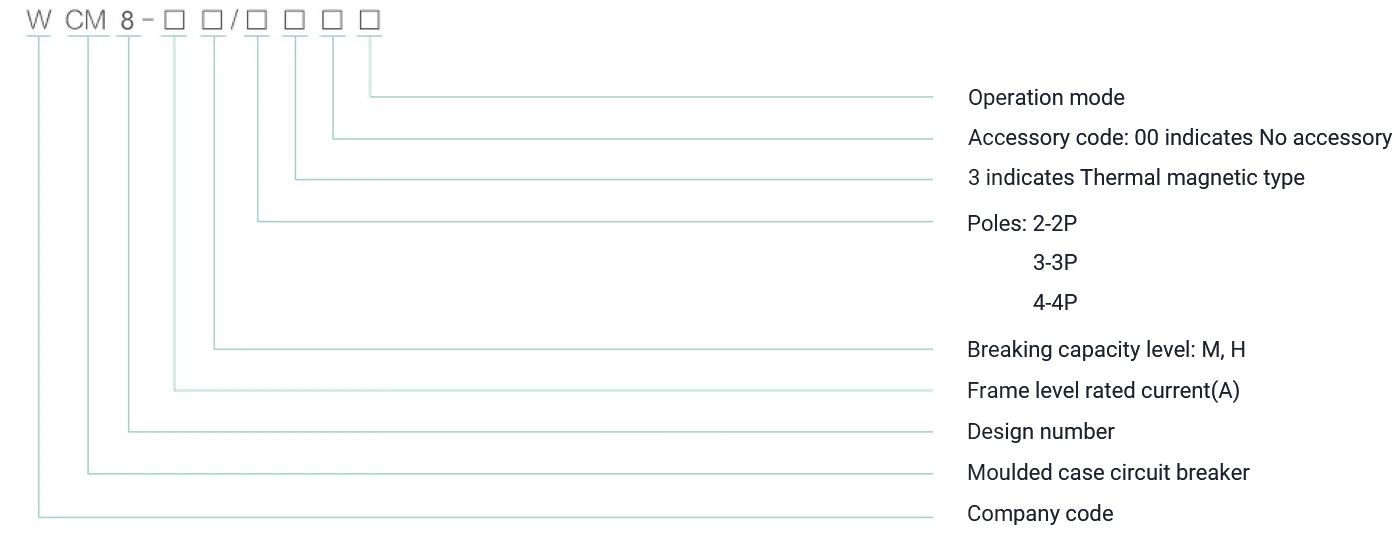
The MCCB is classified into four types individually as Type C (low breaking), Type L (standard), Type M (higher breaking), Type H (very high breaking) according to the rated ultimate short circuit breaking capacity (Icu) ranking. The MCCB is small in volume, high breaking capacity, short flashover (zero flashover of some spare parts), and vibration resistance, is the ideal product for using on land and at ship.
The MCCB can be installed verticall (vertical mounting), and horizontally (horizontal mounting).
| Pole | 3P, 4P |
| Voltage | AC400V/690V |
| kA | 20-100 |
| Inm(A) | 63, 100, 225, 400, 630, 800, 1250, 2000(only with 3P) |
| In(A) | 10, 16, 20, 25, 32, 40, 50, 63, 100, 225, 400, 630, 800, 1250, 1400, 1600, 1800, 2000 |
| Model | Frame level rated current (A) | Current Rating (A) | Rated operation voltage (V) | Rated insulation voltage (V) | Rated ultimate short circuit breaking capacity (kA) 400V | Rated operation short circuit breaking capacity (kA) 400V |
| WCM8-63L | 63 | (6), 10, 16, 20, 25, 32, 40, 50, 63 | AC400 | AC500 | 25 | 18 |
| WCM8-63M | 50 | 35 | ||||
| WCM8-125C | 100 | (10), 16, 20, 25, 32, 40, 50, 63, 80, 100 | AC690 | AC800 | 20 | 10 |
| WCM8-125L | 35 | 17.5 | ||||
| WCM8-125M | 50 | 35 | ||||
| WCM8-125H | 85 | 50 | ||||
| WCM8-250L | 225 | 100, 125, 140, 160, 180, 200, 225 | AC690 | AC800 | 35 | 18 |
| WCM8-250M | 50 | 35 | ||||
| WCM8-250H | 85 | 50 | ||||
| WCM8-400L | 400 | 225, 250, 315, 350, 400 | AC690 | AC800 | 50 | 25 |
| WCM8-400M | 65 | 42 | ||||
| WCM8-400H | 100 | 65 | ||||
| WCM8-630L | 630 | 400, 500, 630 | AC690 | AC800 | 50 | 25 |
| WCM8-630M | 65 | 42 | ||||
| WCM8-630H | 100 | 65 | ||||
| WCM8-800M | 800 | 630, 700, 800 | AC690 | AC800 | 75 | 50 |
| WCM1-800H | 100 | 65 | ||||
| WCM8-1250 | 800 | 1000, 1250 | AC690 | AC800 | 65 | 40 |
| WCM8-2000 | 1250 | 1400, 1600, 1800, 2000 | AC690 | AC800 | 65 | 40 |
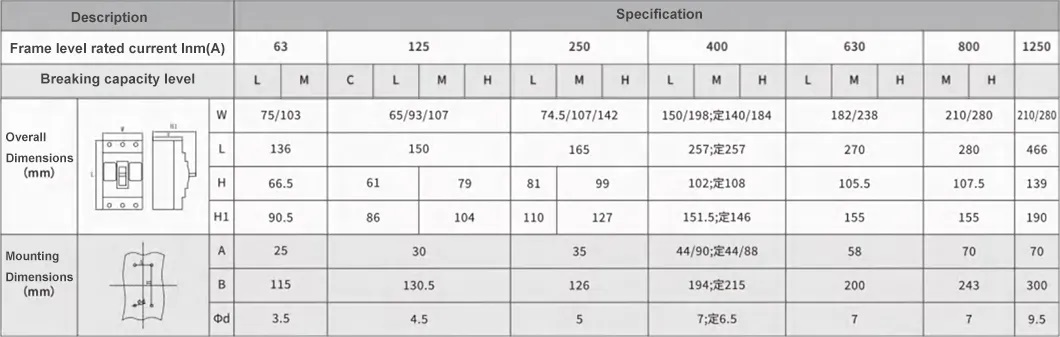
This topic is covered in more detail in Moulded Case Circuit Breaker (MCCB) Applications and Westhomes.
This topic is covered in more detail in WCM8 Diamond series Moulded Case Circuit Breaker.
An MCCB is a low-voltage overcurrent protection device housed in a rigid insulating moulded case, used to protect circuits against overload and short-circuit faults. Internally it combines a thermal trip element (a bimetallic strip that heats and bends under sustained overcurrent) with a magnetic trip element (a solenoid that fires instantaneously on a large short-circuit current). When either element operates, it releases a spring-loaded toggle mechanism that opens the contacts and extinguishes the arc in a dedicated arc chute.
This series spans a continuous rated current (In) from 63 A up to 1250 A, covering the medium-to-heavy industrial distribution band between miniature circuit breakers (typically up to 125 A) and air circuit breakers (typically from 630 A upward). The frame size and rated current are selected according to the load current and the prospective short-circuit level at the installation point. It is suited to feeders, motor circuits, and main distribution boards in commercial and industrial premises.
The thermal (long-time) function protects against overloads: a bimetal strip heats up proportionally to the overcurrent and bends over time, tripping after an inverse-time delay so that harmless temporary surges (such as motor starting) do not cause nuisance tripping. The magnetic (instantaneous) function protects against short circuits: a coil generates a strong magnetic field that drives a plunger to trip the mechanism within milliseconds. Together they provide both overload and short-circuit protection in a single device.
MCCBs of this range are commonly offered in 1-pole, 2-pole, 3-pole, and 4-pole configurations to match single-phase, two-phase, three-phase, and three-phase-plus-neutral systems. Three-pole versions are standard for three-phase motor and feeder circuits, while four-pole versions additionally switch the neutral where required for isolation or selective coordination. The pole count must match the number of conductors that need simultaneous interruption.
Icu (ultimate short-circuit breaking capacity) is the maximum prospective short-circuit current the breaker can interrupt safely once without being destroyed. Ics (service short-circuit breaking capacity) is the value at which the breaker can interrupt a fault and continue to operate normally afterward, normally expressed as a percentage of Icu (such as 50%, 75%, or 100%). Both must be at least as high as the calculated prospective fault current at the point of installation; undersizing them is a common and serious design error.
MCCBs are generally panel-mounted on a DIN rail or fixed directly to a mounting plate/backplate inside a distribution board, with busbars or cables connected to the line and load terminals to the specified torque. They must be installed upright in a clean, dry, ventilated enclosure with adequate clearance for the operating handle and wiring. Terminals should be torqued to the manufacturer's value and conductors sized for the rated current and fault level.
"CB" refers to the CB Scheme certification (IECEE), an international test-report recognition system that allows a single test certificate to be accepted in many member countries, easing market access. "CE" marking indicates conformity with applicable European directives (such as the Low Voltage Directive and EMC Directive), allowing free sale within the EEA. Both mark that the product has been type-tested to recognized safety standards and carries traceable certification documentation.
It is designed and type-tested to IEC 60947-2, the international standard for low-voltage switchgear and controlgear — circuit-breakers. This standard defines the ratings, performance requirements, test sequences (including overload, short-time, and short-circuit tests), and terminology used for AC and DC low-voltage circuit breakers. Compliance with IEC 60947-2 is the baseline requirement for industrial MCCBs and is typically cited on the nameplate and in the test certificate.
Typical uses include main distribution boards, sub-main feeders, large motor protection, capacitor banks, welding machines, UPS and inverter feeders, and industrial process equipment. They sit between the small MCBs of final circuits and the very large air circuit breakers used as incomers in the largest installations. Their adjustable trip settings make them suitable for selective coordination with downstream MCBs and upstream main breakers.
An MCB is a miniature, fixed-trip device rated up to about 125 A for final domestic/light commercial circuits, while an MCCB handles higher currents (here up to 1250 A) with adjustable thermal-magnetic or electronic trips and much higher breaking capacity. An ACB (air circuit breaker) goes further still, typically from 630 A up to 6300 A, with draw-out construction, microprocessor trip units, and short-time withstand (Icw) ratings for main incomer and bus-tie duty. In short: MCB for final circuits, MCCB for feeders, ACB for the largest main switchgear.
* indicates a required field


 155 MB