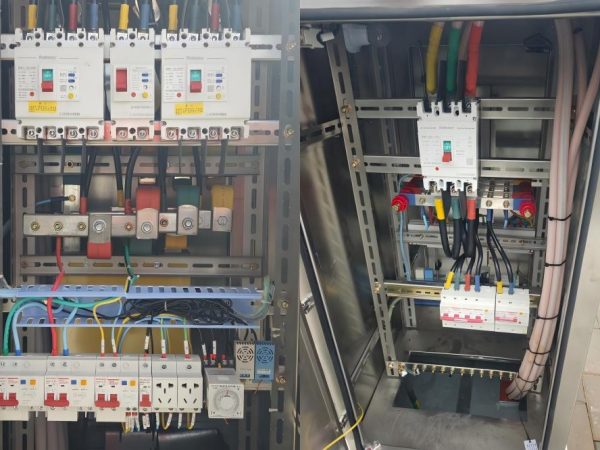
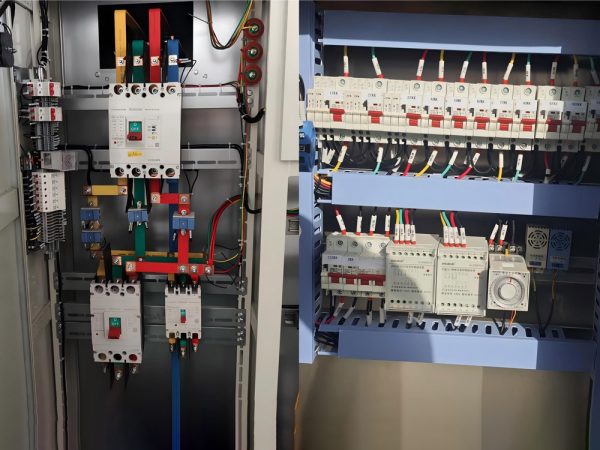
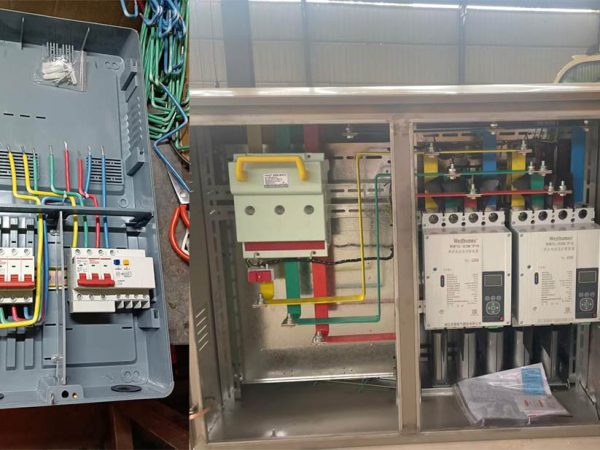
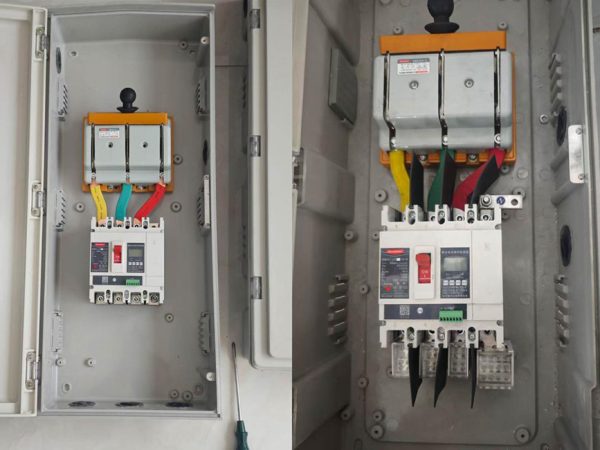
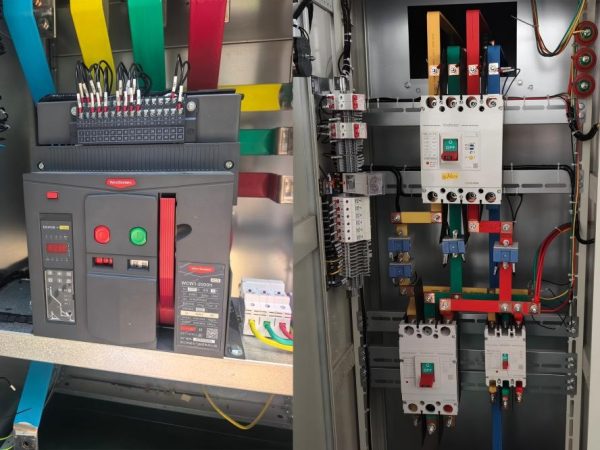
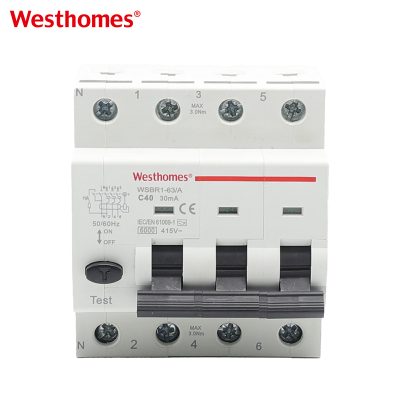
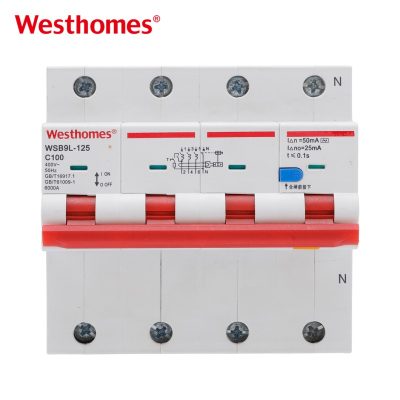
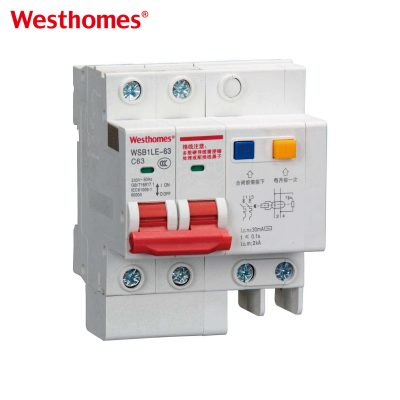
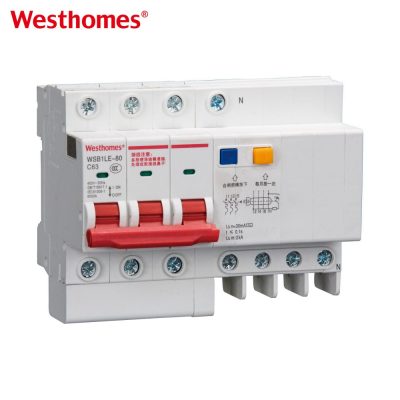
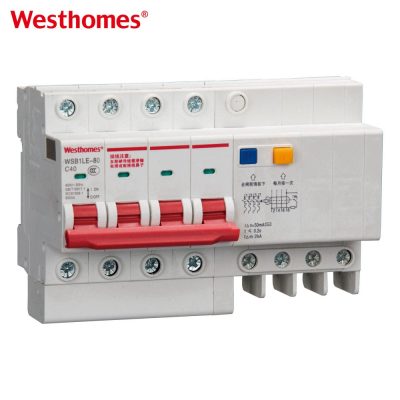
WSB9SZ-125 Moulded case circuit breaker
WSBSZ9-125 is one of updated type MCCBs researched and developed by the company by using advanced design and manufacture technology internationally.
Get quick appointment for technical support!

WSB9-125 series MCB is one of updated type MCCBs researched and developed by the company by using advanced design and manufacture technology internationally.

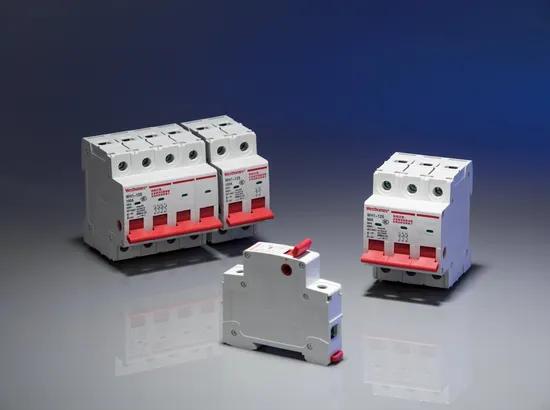
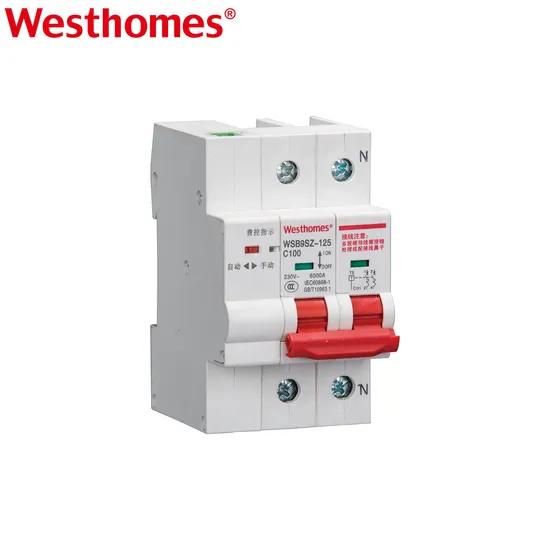
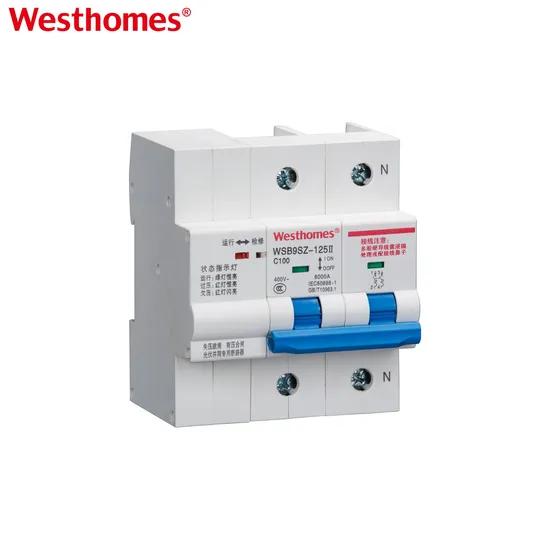
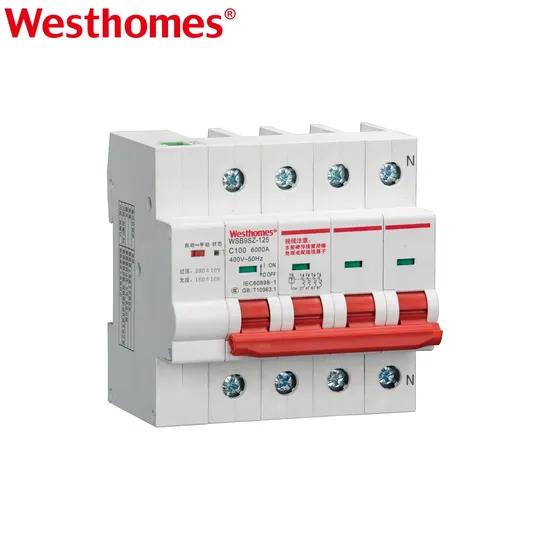
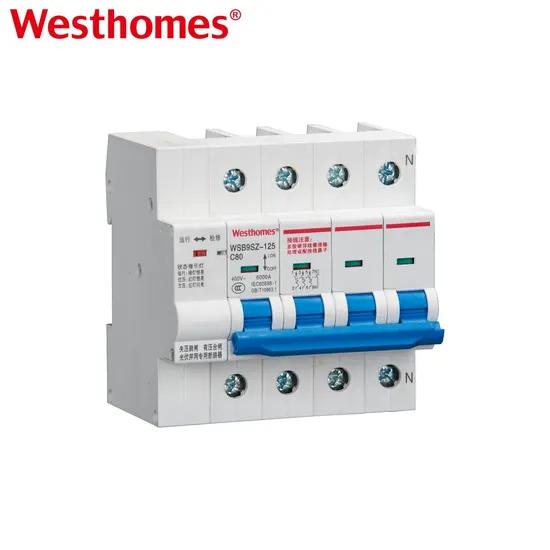
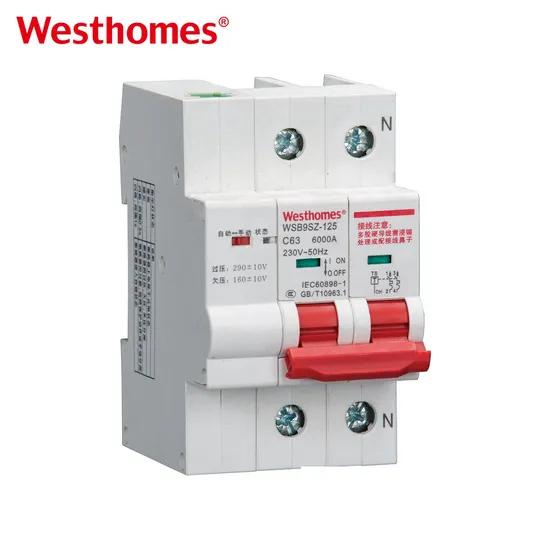
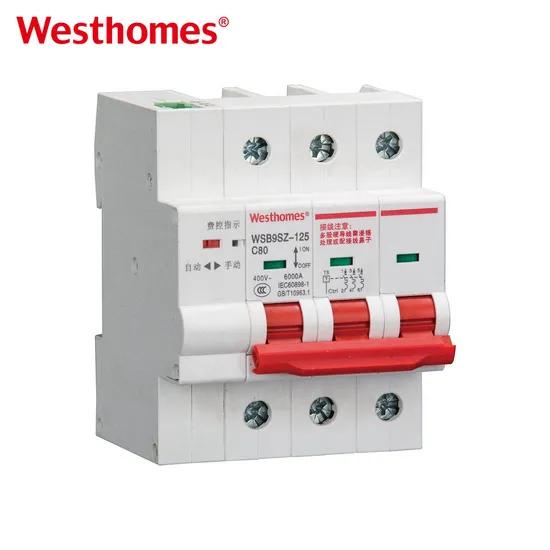
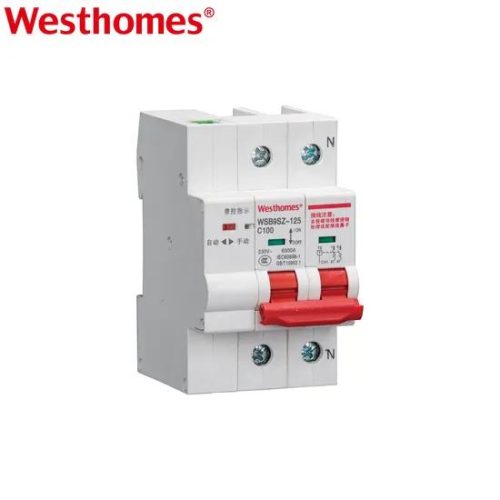
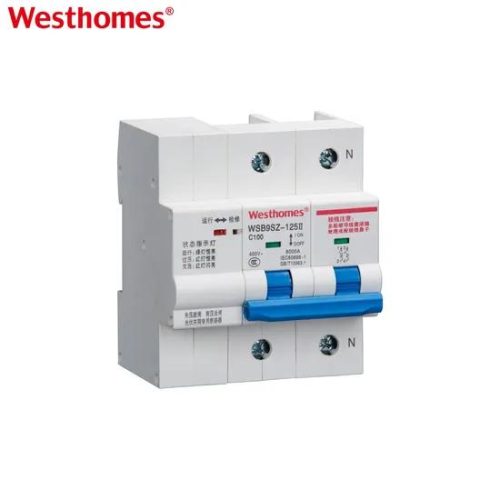
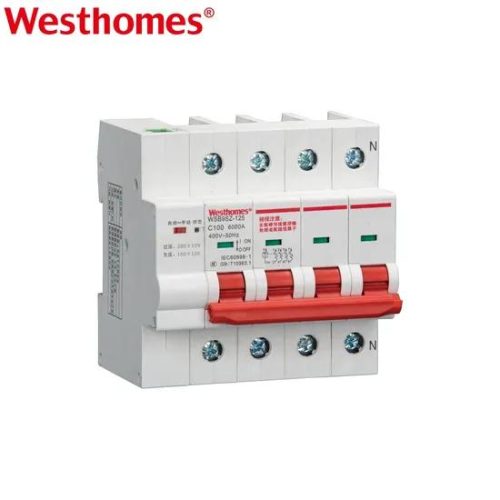
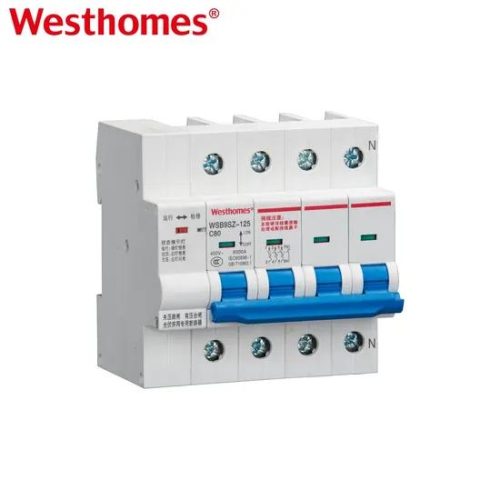
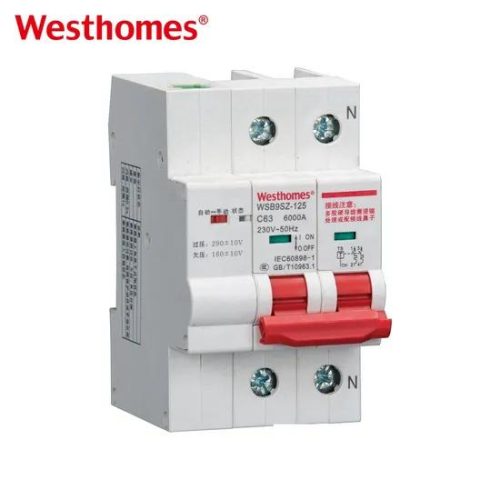
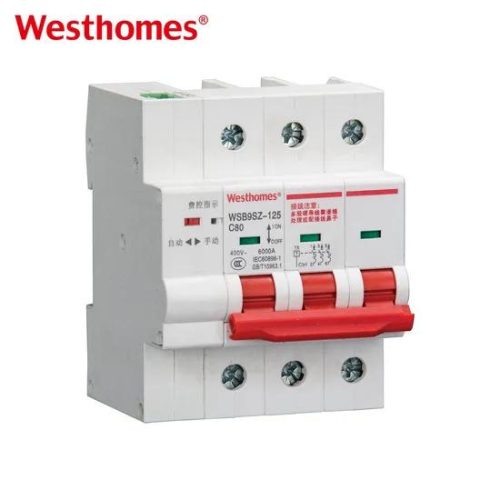
WSBSZ9-125 is one of updated type MCCBs researched and developed by the company by using advanced design and manufacture technology internationally.
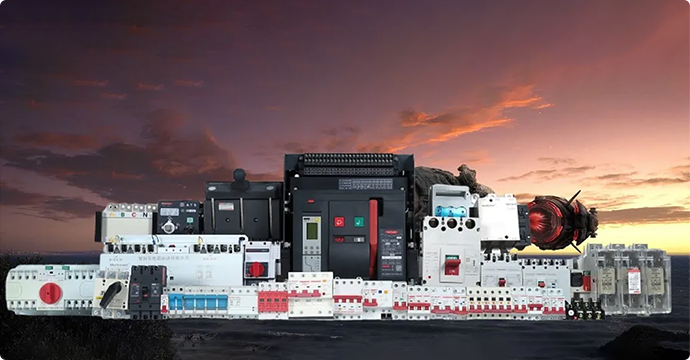
WSB9 series Miniature circuit breakers (hereinafter referred to as circuit breakers) are suitable for AC 50Hz or 60Hz, rated working voltage AC230V/400V, rated current up to 80A lines, for overload and short circuit protection of the lines, and can also be used for infrequent operation conversion of the lines. The circuit breaker is suitable for commercial office buildings, residential buildings and similar buildings. This product complies with GB10963.1 and IEC60898-1 standards.
| Pole | 1P+N; 3P+N |
| Voltage | AC230V/400V |
| kA | 6kA |
| Amps | 6, 10, 16, 20, 25, 32,40, 50, 63, 80, 100, 125 |
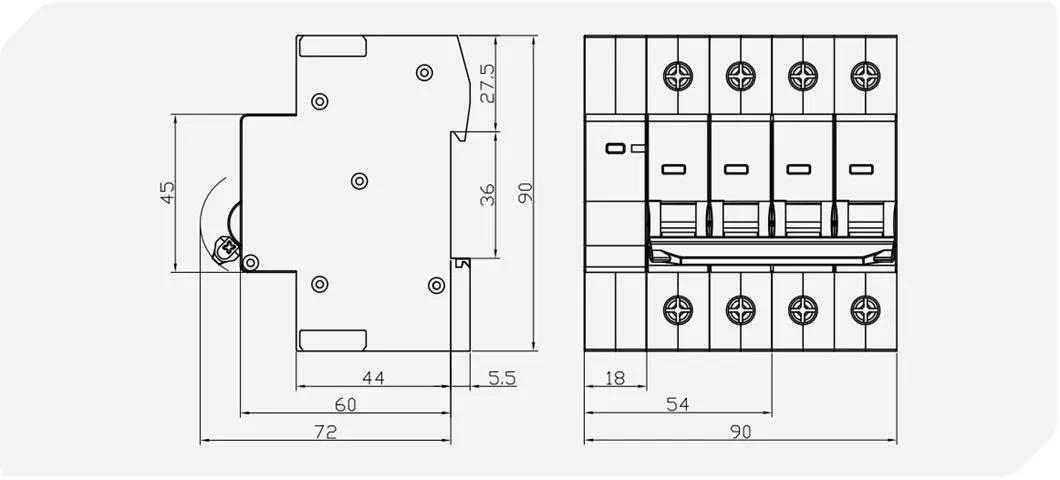
| Width | 54, 90mm |
| S.No | Test current (A) | Initial state | Time limit | Current rating (A) | Expected result | Environment temperature | remarks |
| 1 | 1.13In | Cold | t≤1h | In≤63 | Not tripping | 30ºC~35ºC | |
| t≤2h | In>63 | ||||||
| 2 | 1.45In | Just follow the last test item | t<1h | In≤63 | Tripping | 30ºC~35ºC | Current rises to the set value in 5s steadily |
| t<2h | In>63 | ||||||
| 3 | 2.55In | Cold | 1s | In≤32 | Tripping | 30ºC~35ºC | |
| 1s | In>32 | ||||||
| 4 | 5In | Cold | t≤0.1s | Not tripping | 30ºC~35ºC | Connect the current by closed auxiliary switch | |
| 10In | t<0.1s | Tripping | |||||
A 1-pole MCB protects one phase (live) conductor on a single-phase circuit. It is the most common protective device for residential lighting, socket outlets, and individual appliance branches in commercial distribution boards. It switches and protects the live conductor; the neutral remains connected unless an additional device isolates it.
Load current flows through a bimetal strip that bends under sustained overload and trips via a latch, giving time-delayed overload protection. Above the magnetic threshold (3–5, 5–10, or 10–20 × In depending on curve), a solenoid plunger fires instantly to clear short circuits. This dual action protects both cables from thermal overload and installation from destructive fault currents.
Apply Ib ≤ In ≤ Iz: first work out the design current Ib of the load, then choose the next higher standard rating In whose cable ampacity Iz comfortably exceeds it. Common guidelines are 6A for lighting spurs, 10–16A for general lighting, 16–20A for sockets, 32A for cookers and showers, and 63–100A for sub-mains.
Curve B trips magnetically at 3–5 × In (sensitive, for resistive loads), Curve C at 5–10 × In (general purpose, for sockets and mixed loads), and Curve D at 10–20 × In (for motors and transformers with high inrush). Always pick the lowest curve that does not nuisance-tip on normal start-up current.
Connect the incoming supply (line) to the top terminals marked "Line" and the downstream circuit to the bottom terminals marked "Load". The arc chute and magnetic blow-out are tuned for this direction; back-feeding can reduce breaking capacity and is generally not permitted unless the datasheet explicitly allows it.
It is rated to a declared short-circuit breaking capacity (typically 6 kA, sometimes 10 kA) shown on the nameplate. Before installation, confirm the prospective short-circuit current at the panel — if it is higher than the breaker rating, add upstream current limiting or specify a higher-breaking-capacity model.
Yes, the handle can be used as a functional switch to isolate the circuit for maintenance, but it is not a substitute for proper isolation with a lockout. The contacts are designed for a finite number of operations; routine switching should be infrequent, and any trip under fault should be investigated rather than simply reset.
Probably not. A compressor draws starting current, and a borderline breaker or a too-sensitive curve can nuisance-trip. Check the actual measured current, confirm the cable rating, and consider moving from a B curve to a C curve. If it still trips below In on a stable load, have the breaker bench-tested for a degraded bimetal.
It is used on single-phase final circuits: lighting, socket outlets, small kitchen appliances, HVAC auxiliary circuits, and individual equipment branches. It is the workhorse device in residential consumer units, office distribution boards, and machine control panels where one phase needs independent overcurrent protection.
Yes. As an AC miniature circuit breaker in the 6–100A range, it is manufactured and tested to IEC 60898-1 and affixed with the CE mark. The nameplate lists Ue (e.g. 230 V), In, the tripping curve letter, the rated short-circuit capacity, and the standard number for traceability during inspection.
* indicates a required field

 2 MB
2 MB