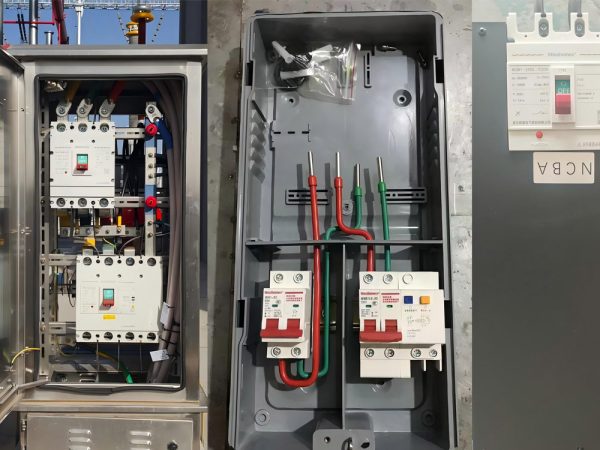
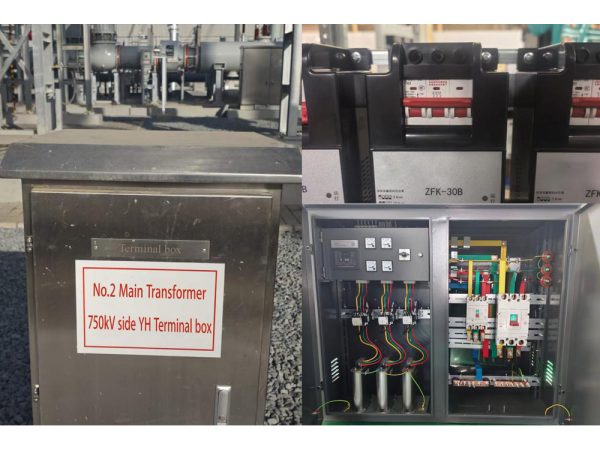
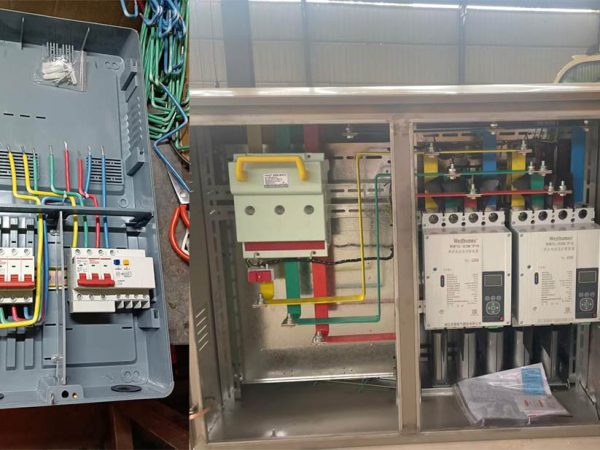
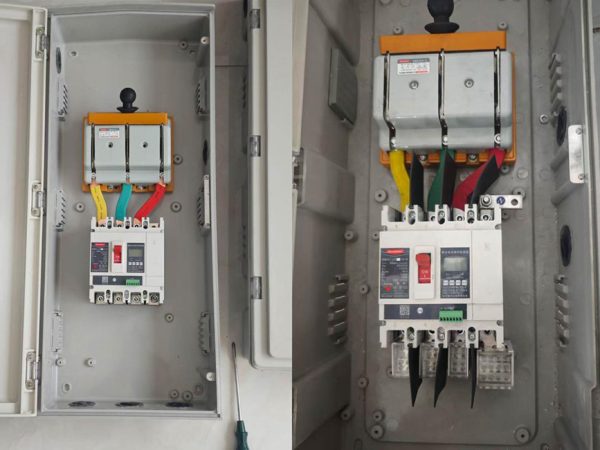
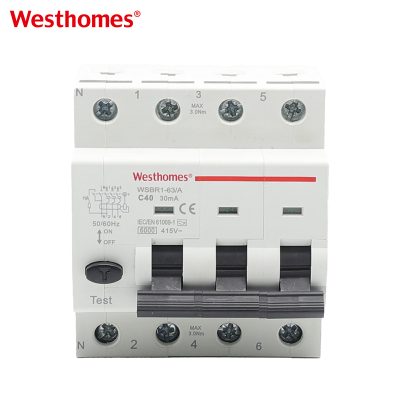
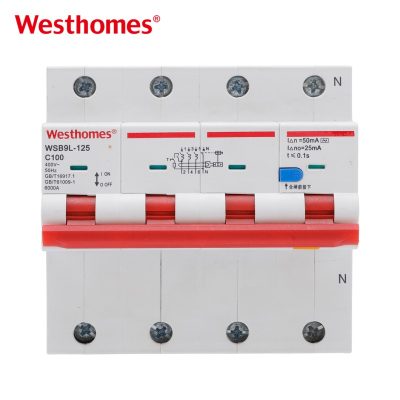
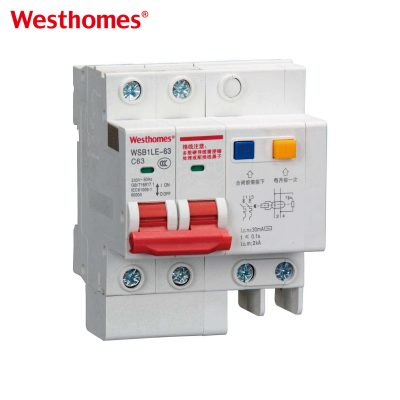
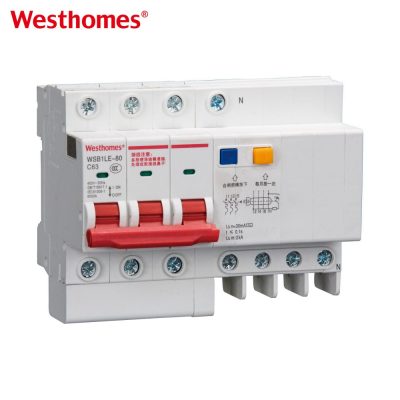
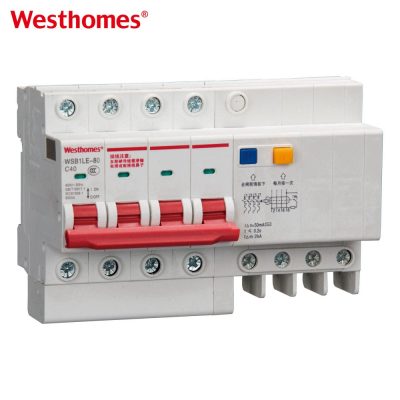
WSB1-125 Moulded case circuit breaker
WSB1-125 series MCB is one of updated type MCCBs researched and developed by the company by using advanced design and manufacture technology internationally.
Get quick appointment for technical support!

WSB1-125 series MCB is one of updated type MCCBs researched and developed by the company by using advanced design and manufacture technology internationally.

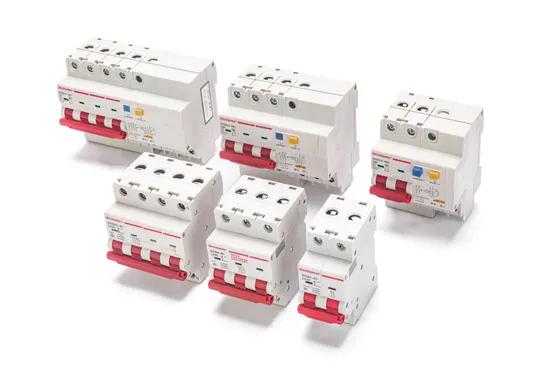
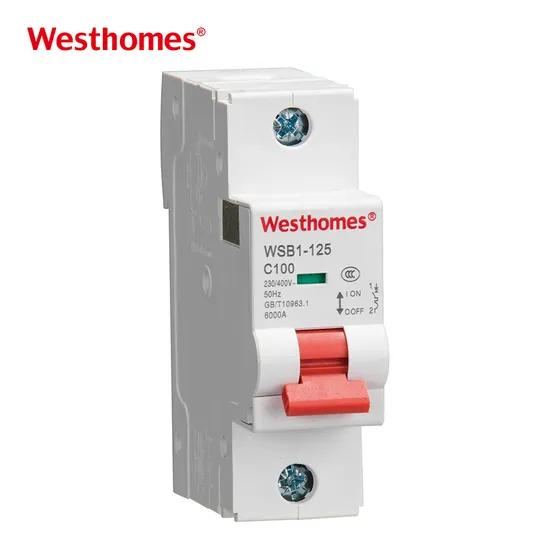
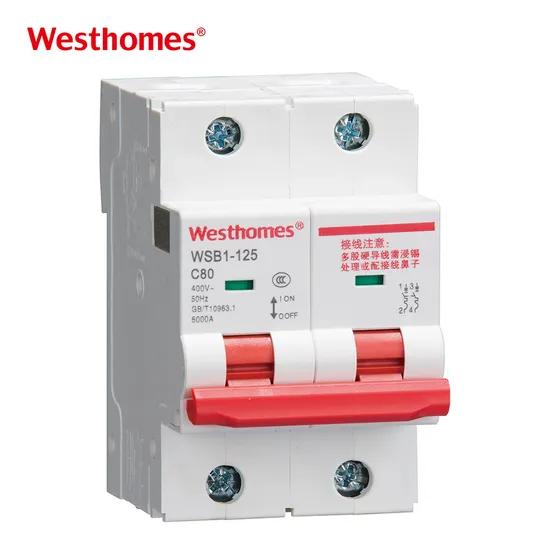
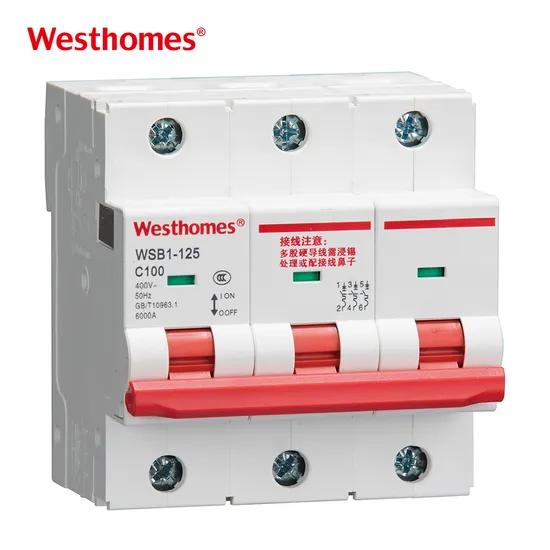
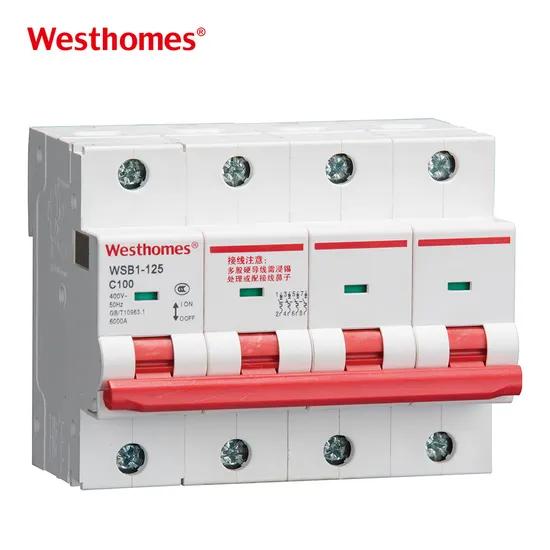
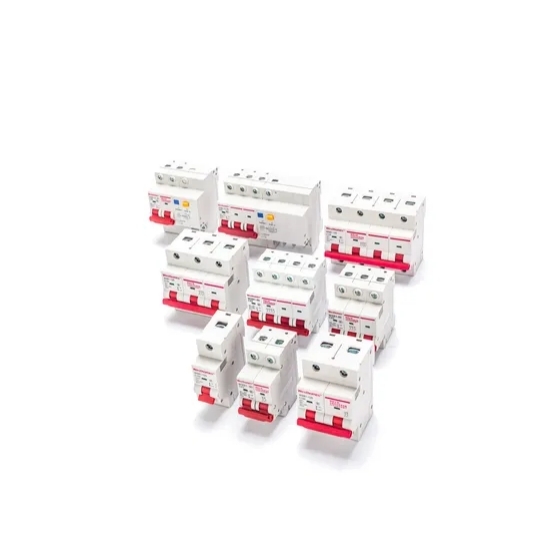
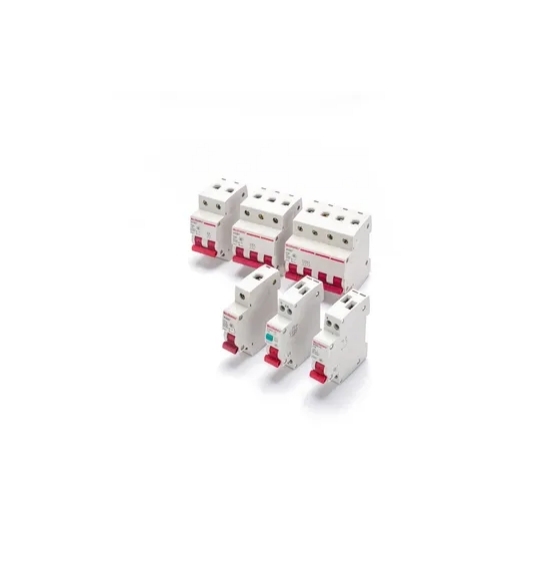
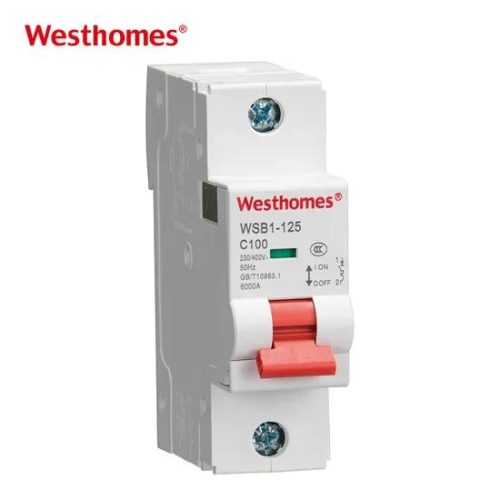
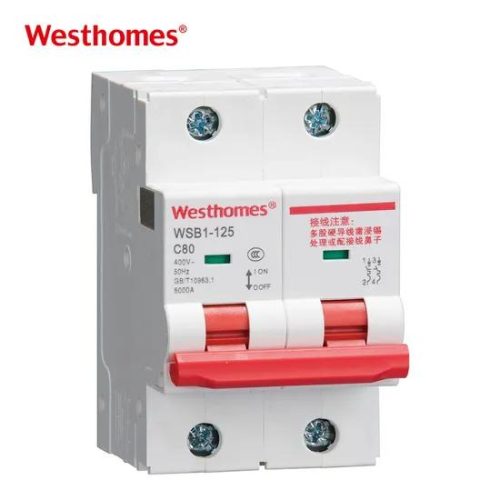
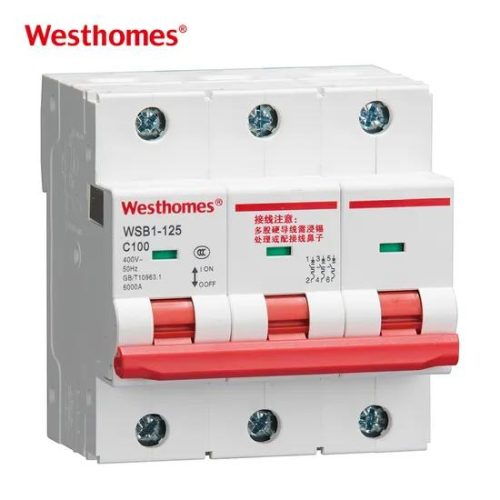
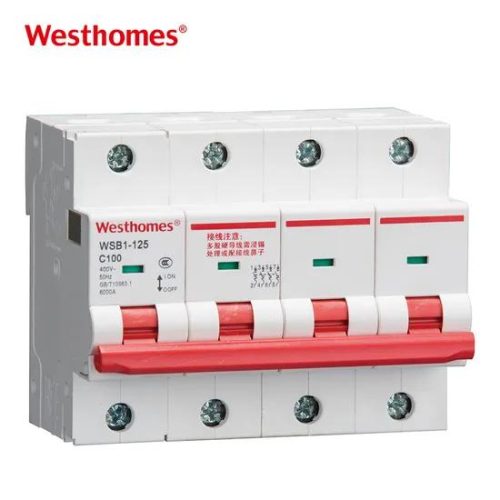
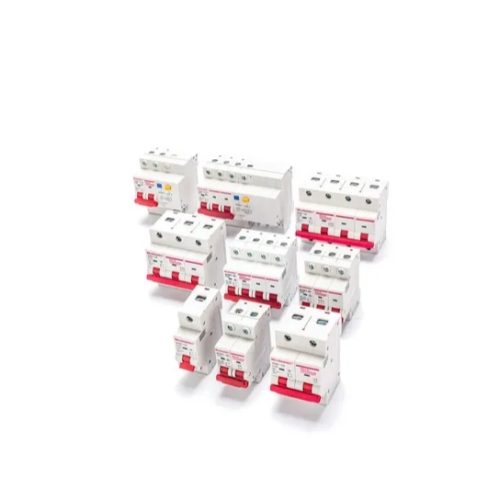
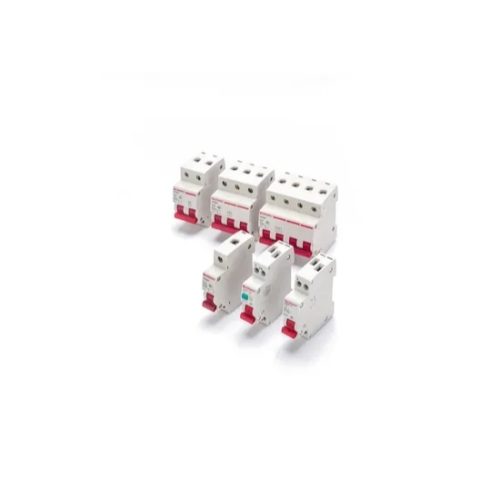
WSB1-125 series MCB is one of updated type MCCBs researched and developed by the company by using advanced design and manufacture technology internationally.
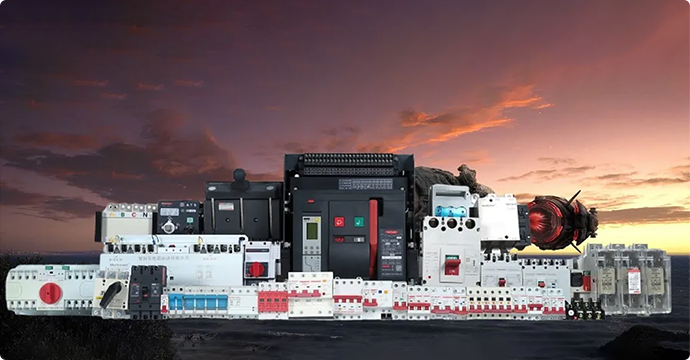
WSB1-125 series miniature circuit breaker has advantage of fine and small in size, light in weight, reliable performance, big breaking capacity, fast release, rail installation, with high flame retardant and impact resistance plastic for frame and parts, and long service life. It mainly applies in lines of AC 50Hz or 60Hz, single pole 230V, 400V for double, three and four poles, for overloading and short circuit protection, meanwhile in lighting lines and infrequent on-off electrical equipments under normal circumstance.
The product meets standards of IEC/EN60947-2, GB14048.2 at international level.
| Pole | 1P, 2P, 3P, 4P |
| Voltage | AC230V/400V |
| kA | 6kA, 10kA |
| Amps | 63, 80, 100, 125 |
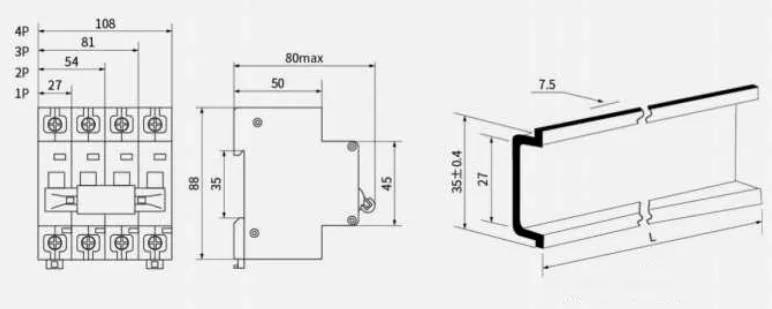
| Width | 27, 54, 81, 108mm |
| Model | Pole (P) | Rated frequency (Hz) | Rated current frame level (A) | Rated voltage (V) | Rated Current (A) | Rated short circuit breaking capacity (kA) | Power frequency withstand voltage | Mechanical and electrical operation performance |
| WSB1-125 | 1P, 2P, 3P, 4P | 50 / 60 | 125 | 230 / 400 | 63, 80, 100, 125 | 6 / 10 | Circuit breaker can satisfy AC 50Hz, 2500V lasting 1min voltage withstand test with no flashover or breakdown | The operation cycle number of the circuit breaker is 10000 times, including loading one 1500 times, and no loading one 8500 times. |
The WSB1-125 is Westhomes' high-current miniature circuit breaker family built on a 125 A frame, offering rated currents from 63 A up to 125 A. It is called "high-current" because it sits at the top end of the MCB range — the smaller WSB5-40 family tops out at 40 A, while the WSB1-125 bridges the gap between ordinary domestic MCBs and molded-case circuit breakers (MCCBs). It is the natural choice for main switches and large three-phase distribution circuits.
The 6 kA rating is the rated short-circuit breaking capacity (Icn) of the breaker, meaning it can safely interrupt up to 6 000 A of prospective fault current at its rated voltage without damage. For a 400 V three-phase main distribution board fed from a normal utility transformer, 6 kA is usually sufficient. Before installation the electrician should still calculate the actual prospective short-circuit current at the board; if the board is very close to the transformer, a higher-breaking-capacity (10 kA) variant may be required.
A 4P breaker switches all four conductors — three phases L1, L2, L3 plus the neutral — simultaneously, while a 3P breaker switches only the three phases and leaves the neutral connected directly to the neutral bar. The 4P variant is used where full isolation of the neutral is required by local wiring rules (for example in TT systems, PV installations, or any board where maintenance staff need to be certain the neutral is also dead). On the WSB1-125 4P the neutral pole is typically rated at the same current and opens on the same mechanism as the phases.
Connect the three incoming phases to the top L1, L2 and L3 terminals and the incoming neutral to the N terminal, and route the corresponding conductors out to the load on the bottom side. Observe the phase rotation shown on the nameplate and tighten each terminal to the torque value on the body. Because the breaker is quite wide (4 modules on the DIN rail), allow adequate wiring bend radius and use ferrules on stranded cables for reliable terminations.
Yes. With ratings from 63 A to 125 A at 400 V AC and a 6 kA breaking capacity, the WSB1-125 4P is a standard choice as the main protective device for small commercial, office or light-industrial distribution boards where the total connected load is in the 63–125 A range. It provides overload and short-circuit protection on all four conductors in a compact DIN-rail footprint that is much cheaper and smaller than a comparable MCCB.
As with any MCB, an overload current heats a bimetal strip on each pole, which slowly bends and releases the tripping mechanism after an inverse-time delay; a short-circuit current drives a solenoid that snaps the contacts open within milliseconds. The four poles are mechanically linked so that any pole sensing a fault opens all four together. The trip curve (typically C or D for this series) defines the instantaneous magnetic threshold.
For mixed three-phase loads such as a distribution panel feeding sockets and lighting, a C-curve (5–10 × In) is the safe default. If the board feeds several direct-on-line motors or a transformer with high inrush, move to a D-curve (10–20 × In) to avoid nuisance tripping on start-up. Always size the breaker so that the largest motor's locked-rotor current remains below the magnetic trip threshold of the chosen curve.
Yes. Like all MCBs, the WSB1-125 is calibrated at a reference ambient temperature (typically 30 °C or 40 °C). If the breaker is installed inside a sealed, crowded enclosure or in a hot plant room, the continuous current-carrying capacity must be derated per the manufacturer's curve — often by 5–10 % at 50 °C. Derating also applies when several breakers are clipped side-by-side on the same rail, because their mutual heating raises the effective ambient.
Yes. The WSB1-125 series is designed, type-tested and certified to IEC 60898-1 for over-current protection of low-voltage installations, and it carries CE marking for the European market. That certification covers the 63 A–125 A ratings and the 6 kA breaking capacity. When exporting to specific markets, confirm whether additional local certification (for example CCC in China or regional type tests) is required alongside IEC/CE.
The WSB1-125 is a sealed, maintenance-free breaker: do not open it or attempt to adjust the trip settings. Once or twice a year, trip it manually via the toggle to exercise the mechanism, inspect the terminals for discoloration or overheating, and re-torque the cable connections to the nameplate value. If it has recently cleared a severe short-circuit, the contacts may be internally degraded; a qualified electrician should inspect the breaker and replace it if there is visible damage or if it now trips on normal load.
* indicates a required field

 2 MB
2 MB