Get quick appointment for technical support!

Get in Touch

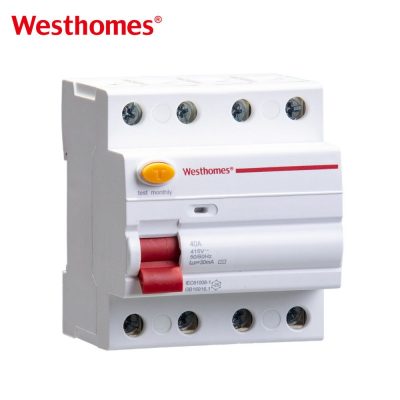
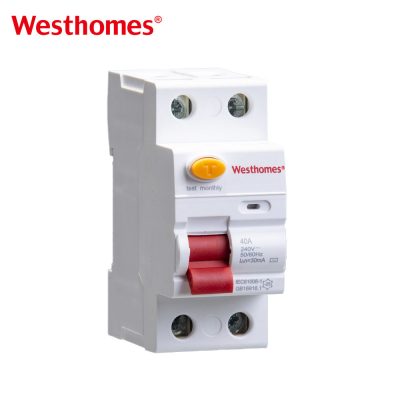
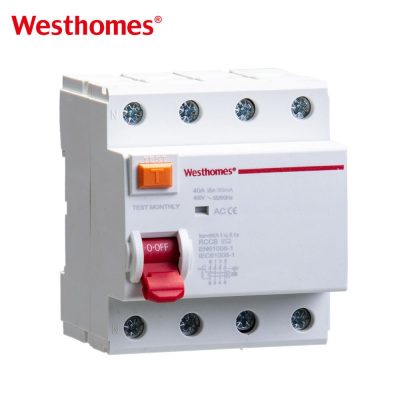
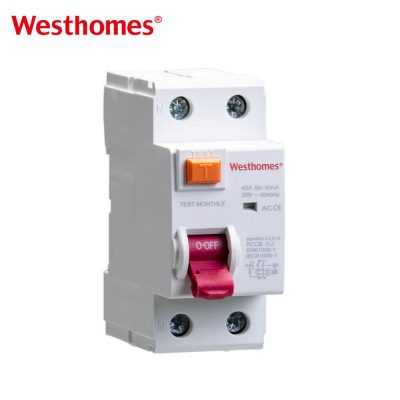
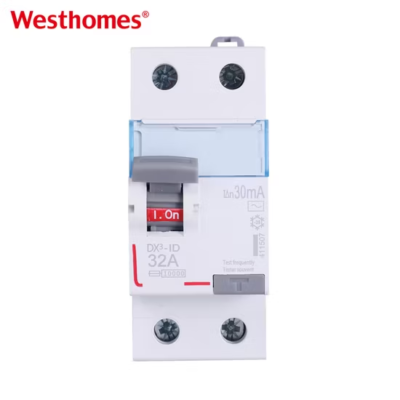
HNB1L-63 3P+N Electromagnetic RCCB

The HNB1L-63 Residual Current Circuit Breaker (RCCB) is a high-performance electromagnetic-type breaker designed for three-phase four-wire systems (3P+N).

Social focus:

HNB1L-63 3P+N RCCB | 63A 6kA Electromagnetic Breaker

The HNB1L-63 RCCB combines a robust internal structure with compact external dimensions, and features a housing made of flame-retardant, high-impact-resistant material for enhanced durability in high-load applications.

HNB1L-63 3P+N description

Whether for residential infrastructure or industrial operations, the HNB1L-63 3P+N RCCB delivers high-efficiency fault protection with compact design and robust performance, making it an ideal breaker solution for modern electrical systems.

With a rated voltage of AC 240/400V, rated current up to 63A, and a breaking capacity of 6kA, this RCCB ensures reliable leakage, overload, and short-circuit protection in low-voltage distribution networks.

This model is specially engineered to instantly disconnect power when a leakage fault or electric shock occurs, effectively protecting people and sensitive electrical equipment from damage and danger. The 3P+N configuration enables full-phase and neutral line protection, making it ideal for demanding commercial and industrial environments.

Key Features:

Model Number: HNB1L-63
Configuration: 3P+N (Three Pole + Neutral)
Rated Voltage: AC 240V / 400V
Rated Frequency: 50Hz
Rated Current: Up to 63A
Breaking Capacity: 6kA
Trip Mechanism: Electromagnetic type

Protection Functions:

Residual current (leakage)
Overload protection
Short-circuit protection
Housing Material: Flame-retardant & high-impact-resistant

Applications:

Residential and commercial buildings
Industrial plants
Distribution panels and equipment
Distillery and warehouse circuits
Usage: Suitable for infrequent line conversion under normal conditions
Standard Compliance: IEC/EN61009-1

KEY INFORMATION

Rated current 10, 16, 20, 25, 32, 40, 50, 63A
Rated voltage Ue AC240V (1P+N, 2P); AC400V (3P+N, 4P)
Rated insulation voltage Ui AC415
Rated impulse withstand voltage Uimp 4kV
Rated frequency 50/60Hz
Number of poles 1P+N, 3P+N
Module size 36mm, 72mm
Circuit type AC type, A type, B type
Breaking capacity 6000A, 10000A
Rated residual current I△n 10mA, 30mA, 100mA, 300mA
Rated residual operation current 10, 30, 100, 300mA
Optimum operation temperature -5ºC to 40ºC
Terminal tightening torque 2.5-4N/m
Terminal capacity (top) 25mm²
Terminal capacity (bottom) 25mm²
Electro-mechanical endurance 4000 cycles
Mounting 35mm DIN rail
The very new tripping structure makes more in safety
Suitable busbar PIN busbar
Standard IEC61008-1

Basic Info.

Model NO. HNB1L-63
Arc-extinguishing Medium Air
Structure MCB
Type Circuit Breaker
Certification ISO9001-2000, CE, CB, CCC
Ka 6ka, 10ka
Voltage AC240V/AC400V
Specification 10A-63A
Origin China
Production Capacity 365000
Speed Normal Type Circuit Breaker
Installation Fixed
Poles Number 3p+N
Function Conventional Circuit Breaker,
Circuit-Breaker Failure Protection,
Overcurrent Protection,
OVP(Overvoltage Protection)
Production Line 100% Automic
Cooperation Type OEM ODM
Transport Package Standard
Trademark Westhomes
HS Code 8536300000

FREQUENTLY ASKED QUESTION (FAQ)

What is the function of the HNB1L-63 3P+N Electromagnetic RCCB? plus-square Created with Sketch Beta. minus-square Created with Sketch Beta.

The HNB1L-63 is a Residual Current Circuit Breaker (RCCB) designed to protect people and property from electric shock and fire caused by earth leakage faults. It continuously monitors the vector sum of currents in the three phase conductors and the neutral conductor, and automatically trips when an imbalance (residual current) exceeds its rated sensitivity threshold. It does not provide overload or short-circuit protection on its own and must be used upstream with a suitable MCB or MCCB.

How does an electromagnetic RCCB work? plus-square Created with Sketch Beta. minus-square Created with Sketch Beta.

An electromagnetic RCCB operates entirely on the magnetic principle: the residual current induces a magnetic flux in a toroidal core, which deflects a sensitive polarized relay (release mechanism) directly without needing an auxiliary power supply. When the flux exceeds the set threshold, the release mechanism triggers the trip, opening all contacts (phases and neutral) within milliseconds. This makes it intrinsically self-powered and reliable even under loss-of-neutral or low-voltage conditions.

What are the key technical specifications of the HNB1L-63 3P+N? plus-square Created with Sketch Beta. minus-square Created with Sketch Beta.

The HNB1L-63 is a 4-pole (3P+N) device with a frame current rating of 63A, suitable for AC 400/415V three-phase networks. Common residual current sensitivities include 30mA, 100mA, 300mA and 500mA; the 30mA version is used for personal protection while higher ratings target fire prevention. It typically offers a Type AC trip characteristic (sinusoidal residual current) and meets IEC 61008-1 requirements.

What does "3P+N" mean on this RCCB? plus-square Created with Sketch Beta. minus-square Created with Sketch Beta.

"3P+N" means the device switches three phase conductors (L1, L2, L3) plus the neutral conductor (N) — four poles in total, usually housed in a 4-module DIN-rail width. On tripping or manual operation, all four poles open simultaneously, ensuring full isolation of the downstream circuit from both phases and neutral. This is essential for three-phase loads such as motors, three-phase air conditioners and commercial distribution boards.

What are the advantages of the electromagnetic type over electronic RCCBs? plus-square Created with Sketch Beta. minus-square Created with Sketch Beta.

Electromagnetic RCCBs are self-powered — they draw operating energy directly from the fault residual current itself, so they remain functional even during voltage dips, neutral breaks or complete loss of auxiliary supply. They also tolerate higher transient overvoltages and surges better, and generally have a longer service life and higher reliability in harsh industrial environments. The trade-off is a slightly larger physical size and higher purchase cost compared to electronic types.

How should the HNB1L-63 be installed and wired? plus-square Created with Sketch Beta. minus-square Created with Sketch Beta.

Mount the HNB1L-63 on a standard DIN rail inside a distribution box. Connect the upstream supply (L1, L2, L3, N) to the marked IN terminals and the downstream load to the OUT terminals — never reverse them, as the test button and internal circuitry rely on correct direction. Torque the screw terminals to the manufacturer's recommended value (typically 2.0–3.5 N·m) and ensure all conductors are fully inserted without stray strands. Because it has no overcurrent protection, place a matching MCB or MCCB upstream.

Why does the RCCB keep tripping even when no load is connected? plus-square Created with Sketch Beta. minus-square Created with Sketch Beta.

Repeated nuisance tripping with no load connected usually indicates an insulation fault on the fixed wiring downstream, residual leakage from another circuit sharing the same RCCB, or external influences such as surges, lightning-induced transients or leakage from surge protective devices (SPDs). First press the T (test) button to confirm the mechanism is functional, then isolate circuits one by one to locate the faulty branch. If the tripping persists with all loads disconnected, have an electrician measure insulation resistance on the wiring.

Which certification standards does this product comply with? plus-square Created with Sketch Beta. minus-square Created with Sketch Beta.

The HNB1L-63 series is designed and tested to IEC 61008-1 (Residual current operated circuit-breakers without integral overcurrent protection for household and similar uses) and its national variants such as GB/T 6829. Products destined for specific markets may also carry CE, CB, KEMA, INMETRO or other local certifications depending on the factory line. Always verify the actual marking on the device label before installation in a particular country.

What are typical applications for a 3P+N electromagnetic RCCB? plus-square Created with Sketch Beta. minus-square Created with Sketch Beta.

This device is well suited to three-phase residential, commercial and light industrial distribution boards where high reliability and full galvanic isolation are required — for example, protecting three-phase socket circuits, underground garage lighting, industrial workshops, pumps, elevators and commercial kitchens. The 30mA sensitivity version is used where personal contact risk exists, while 100/300/500mA versions are used for fire-risk protection (Type B-selective or S-type time-delayed variants) on main distribution boards.

How often should the RCCB be tested and what maintenance is required? plus-square Created with Sketch Beta. minus-square Created with Sketch Beta.

Press the built-in T (test) button at least once every six months (monthly is recommended in damp or corrosive environments); the RCCB should trip immediately and can be reset after a few seconds. Visually inspect terminals annually for overheating marks or loose screws, and measure insulation resistance between conductors and earth every 1–2 years. Electromagnetic RCCBs are nearly maintenance-free — no internal cleaning or adjustment is needed — but any failure to trip on the test button requires immediate replacement.

RELATED PROJECTS

REQUEST
YOUR FREE QUOTE

* indicates a required field