Get quick appointment for technical support!

Get in Touch

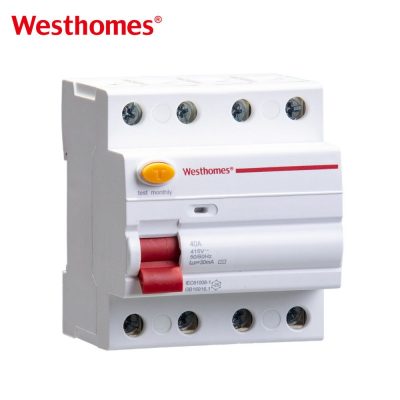
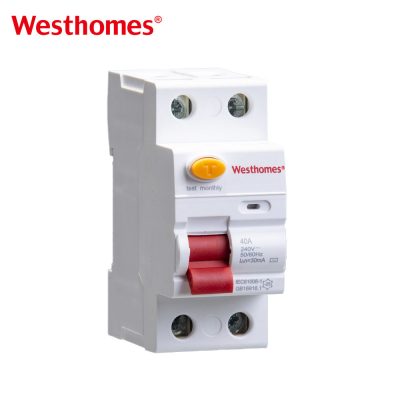
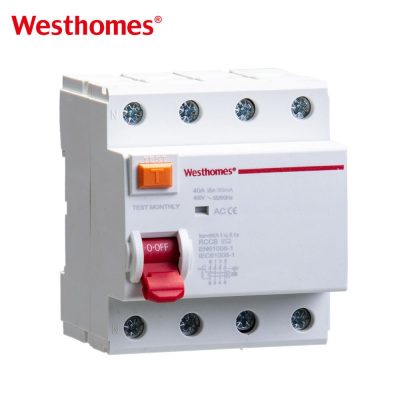
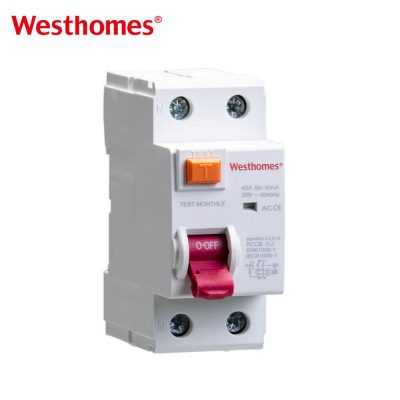
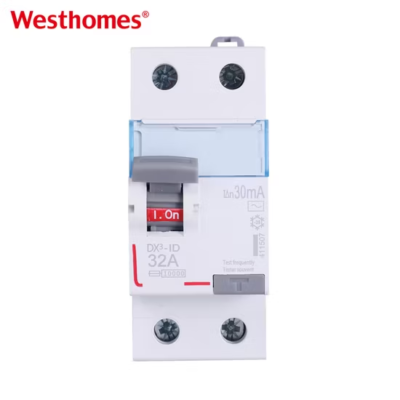
HNB1L-63 1P+N RCBO | 63A Miniature Circuit Breaker

The HNB1L-63 RCBO 1P+N is a reliable circuit protection solution that ensures safety and efficiency in modern electrical networks.

Social focus:

HNB1L-63 RCBO 1P+N | 63A Mini Circuit Breaker | China Supplier

The HNB1L-63 1P+N RCBO (Residual Current Circuit Breaker with Overcurrent Protection) is a compact, high-performance miniature circuit breaker designed for AC 50Hz power distribution systems, with a rated voltage of 240/400V and rated current up to 63A.

HNB1L-63 1P+N description

The HNB1L-63 RCBO 1P+N Miniature Circuit Breaker is particularly suitable for low-voltage installations requiring precise fault current management with minimal space usage.

Ideal for single-phase applications, this 1P+N RCBO integrates residual current protection, overload protection, and short-circuit protection into one device.

Engineered to immediately disconnect power in the event of electric shock or leakage current exceeding specified limits, this RCBO ensures maximum electrical safety for both personnel and sensitive equipment. Its 1P+N configuration is optimal for residential, commercial, and light industrial circuits requiring precise fault detection and rapid interruption.

Key Features:

Model: HNB1L-63
Configuration: 1P+N (Single Pole + Neutral)
Rated Voltage: AC 240/400V
Rated Frequency: 50Hz
Rated Current: Up to 63A
Breaking Capacity: Up to 6kA
Trip Functions: Residual current, overload, short circuit
Response Time: Fast fault disconnection to prevent electric shock
Material: High-strength, flame-retardant plastic shell
Design: Compact, space-saving structure

Use Scenarios:

Residential buildings
Office power systems
Distribution panels
Equipment protection in commercial facilities

Additional Functions:

Suitable for infrequent manual switching under normal operating conditions
Standard Compliance: IEC/EN61009-1

KEY INFORMATION

Rated current 10, 16, 20, 25, 32, 40, 50, 63A
Rated voltage Ue AC240V (1P+N, 2P); AC400V (3P+N, 4P)
Rated insulation voltage Ui AC415
Rated impulse withstand voltage Uimp 4kV
Rated frequency 50/60Hz
Number of poles 1P+N, 3P+N
Module size 36mm, 72mm
Circuit type AC type, A type, B type
Breaking capacity 6000A, 10000A
Rated residual current I△n 10mA, 30mA, 100mA, 300mA
Rated residual operation current 10, 30, 100, 300mA
Optimum operation temperature -5ºC to 40ºC
Terminal tightening torque 2.5-4N/m
Terminal capacity (top) 25mm²
Terminal capacity (bottom) 25mm²
Electro-mechanical endurance 4000 cycles
Mounting 35mm DIN rail
The very new tripping structure makes more in safety
Suitable busbar PIN busbar
Standard IEC61008-1

Basic Info.

Model NO. HNB1L-63
Arc-extinguishing Medium Air
Structure MCB
Type Circuit Breaker
Certification ISO9001-2000, CE, CB, CCC
Ka 6ka, 10ka
Voltage AC240V/AC400V
Specification 10A-63A
Origin China
Production Capacity 365000
Speed Normal Type Circuit Breaker
Installation Fixed
Poles Number 1p+N
Function Conventional Circuit Breaker,
Circuit-Breaker Failure Protection,
Overcurrent Protection,
OVP(Overvoltage Protection)
Production Line 100% Automic
Cooperation Type OEM ODM
Transport Package Standard
Trademark Westhomes
HS Code 8536300000

This topic is covered in more detail in Can Miniature Circuit Breakers Be Used in Outdoor Electrical Installations.

This topic is covered in more detail in Difference Between RCD and RCBO Explained.

FREQUENTLY ASKED QUESTION (FAQ)

What is an RCBO, and how is the HNB1L-63 1P+N different from an RCCB? plus-square Created with Sketch Beta. minus-square Created with Sketch Beta.

RCBO stands for Residual Current Circuit Breaker with Overcurrent protection. The HNB1L-63 combines in one DIN-rail unit the functions of an RCCB (earth-leakage protection) and an MCB (overload and short-circuit protection). Compared with a separate RCCB + MCB combination, it saves panel space and lets a single final circuit be protected independently, so a fault on one circuit does not shut down the whole board.

What protection functions does this 1P+N RCBO provide? plus-square Created with Sketch Beta. minus-square Created with Sketch Beta.

It provides three protections in series: residual-current (earth leakage) protection against electric shock, thermal overload protection for sustained overcurrent, and magnetic short-circuit protection for high fault currents. The 1P+N configuration switches phase and neutral for single-phase 230 V final circuits.

What does the 63 A rating mean for an RCBO? plus-square Created with Sketch Beta. minus-square Created with Sketch Beta.

The 63 A (In) is the maximum continuous current the device can carry. The thermal trip will operate above this rating according to the inverse-time curve, and the magnetic trip handles short circuits. Choose 63 A when the protected cable and load are rated for up to 63 A; for smaller circuits (16 A, 20 A, 32 A) use a lower-current variant of the same series.

What is the typical breaking capacity of this class of RCBO? plus-square Created with Sketch Beta. minus-square Created with Sketch Beta.

Mini RCBOs in this class commonly offer breaking capacities around 6 kA (some variants 10 kA) at the rated voltage, meaning they can safely clear prospective short-circuit currents up to that level. Confirm the exact Icn/Ics value printed on the HNB1L-63 nameplate, and ensure it exceeds the calculated prospective fault current at the installation point.

What does the trip curve (e.g. B, C, D) mean on an RCBO? plus-square Created with Sketch Beta. minus-square Created with Sketch Beta.

The magnetic trip curve defines the instantaneous short-circuit threshold: Type B trips at 3–5× In, suitable for lighting and resistive loads; Type C trips at 5–10× In, the most common for general sockets and mixed loads; Type D trips at 10–20× In for high inrush loads such as motors and transformers. Choose the curve to match the expected inrush of the load.

What residual sensitivity and type are typical for this RCBO? plus-square Created with Sketch Beta. minus-square Created with Sketch Beta.

Final-circuit RCBOs are most commonly 30 mA sensitivity for personal protection. Type A variants detect AC plus pulsating DC residual currents and are recommended for circuits with electronic appliances; Type AC is only for purely resistive, older circuits. The exact IΔn and type must be confirmed on the product label.

Why choose an RCBO instead of an RCCB + MCB split? plus-square Created with Sketch Beta. minus-square Created with Sketch Beta.

An RCBO protects a single final circuit independently: an earth-leakage or overcurrent fault in one circuit trips only that circuit, keeping the rest of the supply live. It also saves DIN-rail width (typically 1–2 modules per circuit). A common RCCB + group MCB arrangement is cheaper but de-energizes all downstream circuits when the RCCB trips.

How do I wire the HNB1L-63 1P+N RCBO? plus-square Created with Sketch Beta. minus-square Created with Sketch Beta.

Mount it on a 35 mm DIN rail. Connect the incoming L and N to the line-side terminals (top) and the protected circuit to the load-side terminals (bottom), respecting the L/N markings. The neutral must pass through the device's sensing core — never bypass it. Tighten terminals to the stated torque and verify tightness after installation.

The RCBO tripped — how do I tell whether it was leakage or overcurrent/short circuit? plus-square Created with Sketch Beta. minus-square Created with Sketch Beta.

After a trip, identify the cause by inspection. A small difference in the handle or a separate indicator, plus checking whether other devices also tripped, helps: immediate, instantaneous tripping under load suggests short circuit; delayed tripping with warm cables suggests overload; tripping when touching an appliance or after rain/damp suggests residual current. Use a multimeter and RCD tester to confirm. If you cannot identify the cause, call a qualified electrician.

Which standards should this RCBO comply with? plus-square Created with Sketch Beta. minus-square Created with Sketch Beta.

RCBOs are covered by IEC 61009 (residual current circuit-breaker with integral overcurrent protection), which combines the requirements of IEC 61008 (residual) and IEC 60898 (overcurrent). For the EU market, products should carry CE marking and comply with the national wiring regulations of the destination country. Verify certificates and ratings on the nameplate before installation.

RELATED PROJECTS

REQUEST
YOUR FREE QUOTE

* indicates a required field