Get quick appointment for technical support!

Data Center Power Distribution and the Protection Chain
Oct 10, 2026
As data centers support cloud computing, AI applications, and increasingly demanding digital services, their power systems must deliver more energy without sacrificing reliability. Effective data center power distribution is not simply about getting electricity to servers. It also depends on how power is converted, monitored, backed up, and protected at every stage.
Understanding the relationship between power distribution and the protection chain helps operators build systems that are safer, easier to maintain, and ready for future growth.
Understanding Data Center Power Distribution
A data center power distribution system carries electricity from the utility grid or an alternative source to the equipment that keeps the facility running. Along the way, power passes through several stages of transformation, switching, backup, and final distribution.
A typical arrangement includes the following equipment:
Utility connection and incoming switchgear: Receive incoming power and provide the necessary isolation, switching, and upstream protection.
Transformers: Adjust voltage levels to suit the facility’s distribution requirements.
Low-voltage switchgear and distribution panels: Divide electrical power among IT equipment, cooling systems, lighting, and other auxiliary loads.
Uninterruptible power supply (UPS): Maintains power to protected loads during supply interruptions and helps condition the electrical supply.
Generators and transfer equipment: Provide an alternative source when the normal utility supply is unavailable.
Busways, power distribution units (PDUs), and rack PDUs: Deliver electricity closer to individual servers and other IT devices.
The main design challenge is ensuring that every component works as part of the same system. A transformer with sufficient capacity cannot compensate for an undersized downstream circuit, and a powerful UPS cannot prevent every fault caused by poor coordination between protective devices.
Following the Power Path from the Grid to the Rack
The protection chain begins where electricity enters the facility and continues all the way to the server power supply.
At the incoming connection, protective equipment helps manage faults on the facility side of the supply. Transformers then establish the required voltage levels, while switchgear and distribution boards divide the available capacity among different loads.
The UPS provides a bridge during power disturbances, allowing protected equipment to continue operating while generators start or other recovery actions take place. Transfer equipment coordinates the change between available power sources according to the system’s operating design.
Further downstream, floor-level PDUs, remote power panels, busways, and rack PDUs distribute electricity to individual equipment groups. At the server level, power supply units convert incoming electricity into the DC voltages required by processors, memory, storage, and other components.
How the Protection Chain Keeps Equipment Safe
The protection chain is the coordinated set of devices and control functions that detect abnormal electrical conditions and respond before they cause wider damage.
Overcurrent and Short-Circuit Protection
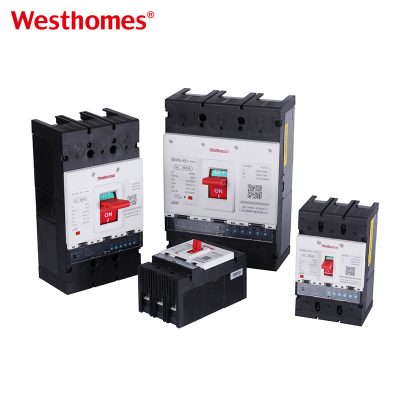
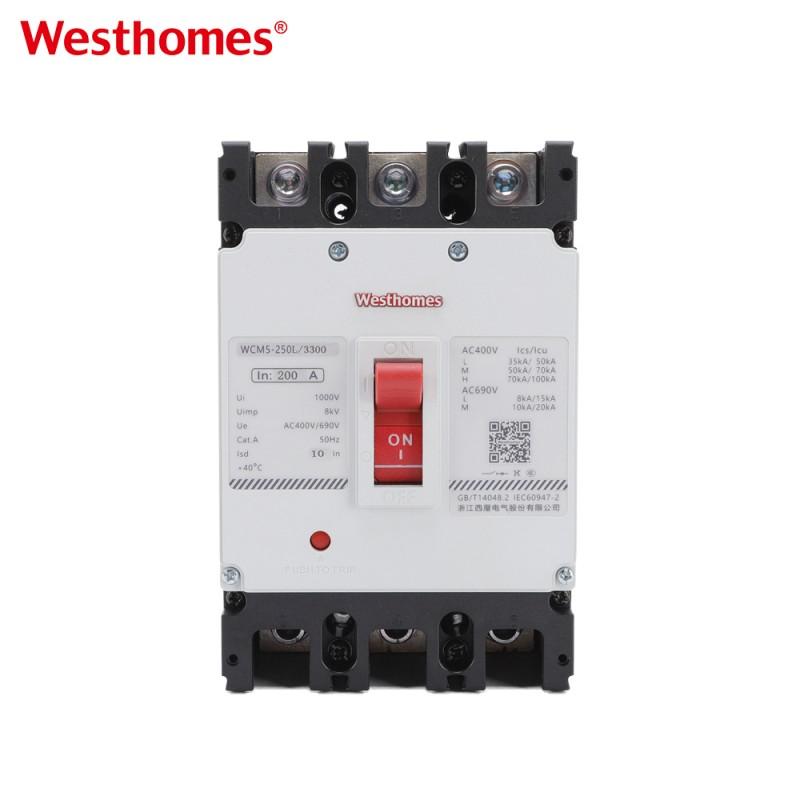
Circuit breakers and fuses protect cables, busbars, and connected equipment against excessive current. Their ratings must match the expected load, conductor capacity, prospective fault current, and installation conditions.
However, selecting a breaker based only on its rated current is not enough. Its breaking capacity must also be suitable for the available fault current at the installation point.
Protection coordination is equally important. Where practical, a downstream protective device should clear a local fault without unnecessarily tripping an upstream device and disconnecting other healthy loads.
Ground-Fault Protection
Insulation damage, damaged cables, and equipment failures can create unintended current paths to earth or exposed conductive parts. Depending on the earthing arrangement and applicable standards, protective measures may include overcurrent protection, residual-current devices, earth-fault relays, or other suitable detection methods.
Voltage and Power Quality Protection
Servers and networking equipment depend on a stable electrical supply. Voltage sags, surges, harmonics, and other power-quality disturbances can affect performance, cause equipment resets, or increase thermal stress.
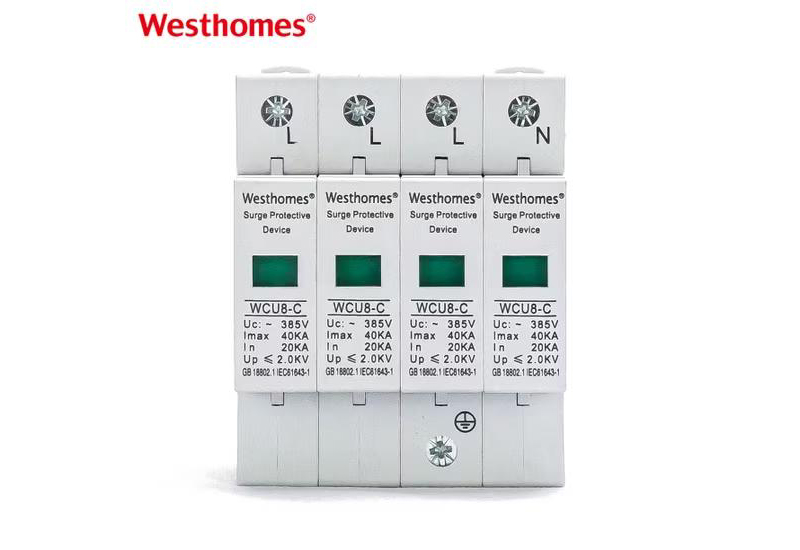
UPS systems, surge protective devices, suitable power-conversion equipment, and electrical monitoring can help address these issues.
Protection Inside the Server
Protection does not stop at the rack PDU. Server power supply units, hot-swap controllers, electronic fuses, and other power-path components help manage inrush current, overloads, and local faults.
As AI processors demand more power, the current flowing through low-voltage distribution paths can become substantial. More precise current sensing, faster fault detection, and carefully designed power-conversion stages therefore become increasingly valuable.
AC vs. DC Power Distribution in Modern Data Centers
| Comparison | AC Distribution | DC Distribution |
|---|---|---|
| Typical Applications | Most conventional data centers | Telecommunications infrastructure and high-density computing environments |
| Main Advantages | Wide equipment availability and established installation and maintenance practices | Potential to reduce unnecessary power conversion stages in suitable system architectures |
| Common Equipment | Transformers, switchgear, UPS systems, and distribution equipment | DC-compatible power conversion, protection, and distribution equipment |
| Technology Maturity | Well-established technology with a mature supply chain | Gaining renewed interest in specialized applications |
| Key Consideration | Relies on a familiar and widely adopted power distribution ecosystem | Benefits depend on system architecture and the number of conversion stages that can be eliminated |
In a conventional AC power chain, electricity may be converted from AC to DC for battery storage and then back to AC for downstream distribution. Server power supplies subsequently convert AC into DC for IT components. Each conversion introduces some energy loss.
A carefully designed DC architecture can eliminate certain conversion steps and reduce associated losses. It may also offer advantages in equipment footprint and integration with battery energy storage.
Designing Redundancy Without Creating New Risks
A reliable data center needs sufficient power capacity and a clear backup plan. An A/B power architecture provides two separate power paths to critical IT equipment, allowing one path to continue operating if the other fails.
However, true redundancy requires independent power paths without shared failure points. UPS systems, generators, transfer switches, and distribution equipment must be tested under normal and failure conditions.
Engineers should also balance redundancy, cost, and efficiency to ensure reliable operation while maintaining enough capacity for future growth.
Monitoring, Maintenance, and Future Expansion
Even a well-designed data center power distribution system can develop issues as loads grow, components age, and rack layouts change. Continuous monitoring of voltage, current, power consumption, phase balance, and UPS status helps operators detect problems early.
DCIM platforms can track power usage, identify overloaded circuits, and compare actual demand with available capacity. Regular maintenance, thermal inspections, connection checks, and integrated testing of backup power systems also help maintain reliable operation.
As data centers expand, especially with AI servers, engineers should reassess power and cooling requirements, reserve sufficient capacity, and maintain clear equipment documentation to support future upgrades.
Conclusion
Effective data center power distribution combines reliable power delivery, coordinated electrical protection, sensible redundancy, and continuous monitoring. As computing density rises, these elements must work together to support growing demand while keeping energy losses, operational risks, and maintenance complexity under control.
Whether a facility uses a conventional AC architecture or adopts newer DC distribution technologies, a well-planned protection chain helps keep power dependable from the utility connection to the server rack.
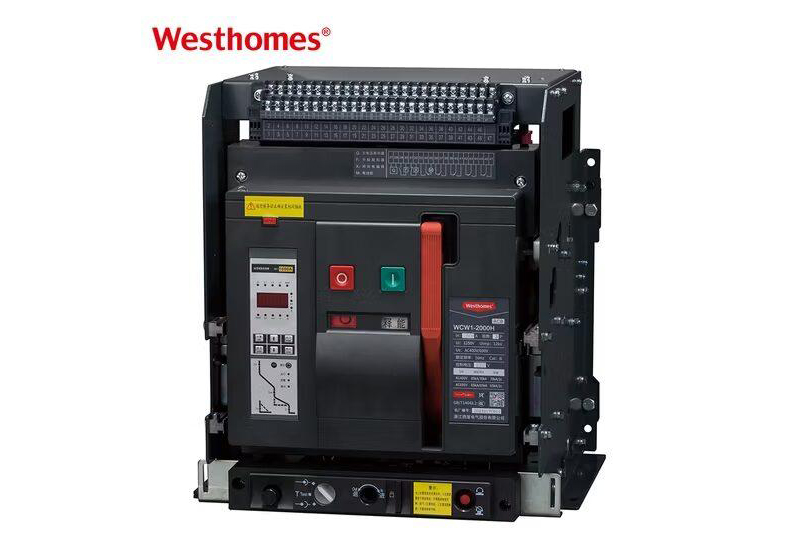
Ready to power your data center with greater confidence? Discover Westhomes’ reliable circuit breakers, automatic transfer switches, and surge protection devices, and find the right fit for your power distribution needs. Let’s build a safer, smarter, and more dependable electrical system together!
Frequently Asked Questions
What is data center power distribution?
Data center power distribution is the process of delivering electricity from the utility grid or an alternative source to servers, networking equipment, cooling systems, and other facility loads. It includes power conversion, switching, backup power, distribution equipment, and electrical protection.
What is a protection chain in a data center?
A protection chain is the coordinated arrangement of protective devices and control functions throughout the electrical system. It helps detect faults, isolate affected circuits, protect equipment, and reduce the risk of unnecessary interruptions to other loads.
Why is UPS equipment used in data centers?
A UPS supplies protected loads during short power interruptions and helps manage certain power-quality disturbances. It provides time for backup generators to start or for equipment to complete an orderly shutdown, depending on the system design and available battery capacity.
Is AC or DC power distribution better for data centers?
Neither option is universally better. AC benefits from a mature equipment ecosystem and established practices, while DC architectures can reduce conversion stages in suitable applications. The preferred design depends on load density, efficiency targets, protection requirements, equipment availability, and lifecycle costs.
How can data centers reduce electrical downtime?
They can improve reliability through coordinated protection, genuinely independent redundant power paths, properly sized UPS and backup generation, continuous monitoring, preventive maintenance, and regular testing of complete power-transfer sequences.

--- END ---
Prev: WSB1-63 Miniature Circuit Breaker
Already the latest article
In this blog
Featured Articles
Get A Free Quote