Introduction
At first glance, SP, TP, TPN, and 4P circuit breakers may seem almost the same. The difference looks simple, just the number of poles. But in real electrical systems, choosing the wrong type can affect safety, isolation, and overall system reliability.
A circuit breaker is not only selected by current rating. It also needs to match the power system itself, whether it is single-phase or three-phase, and whether neutral switching or protection is required.
That’s why understanding the difference between SP, TP, TPN, and 4P is important. The right choice helps improve system safety, stability, and maintenance efficiency, while the wrong one can lead to protection and operational problems.
Understanding the Different Circuit Breaker Types
SP Circuit Breaker
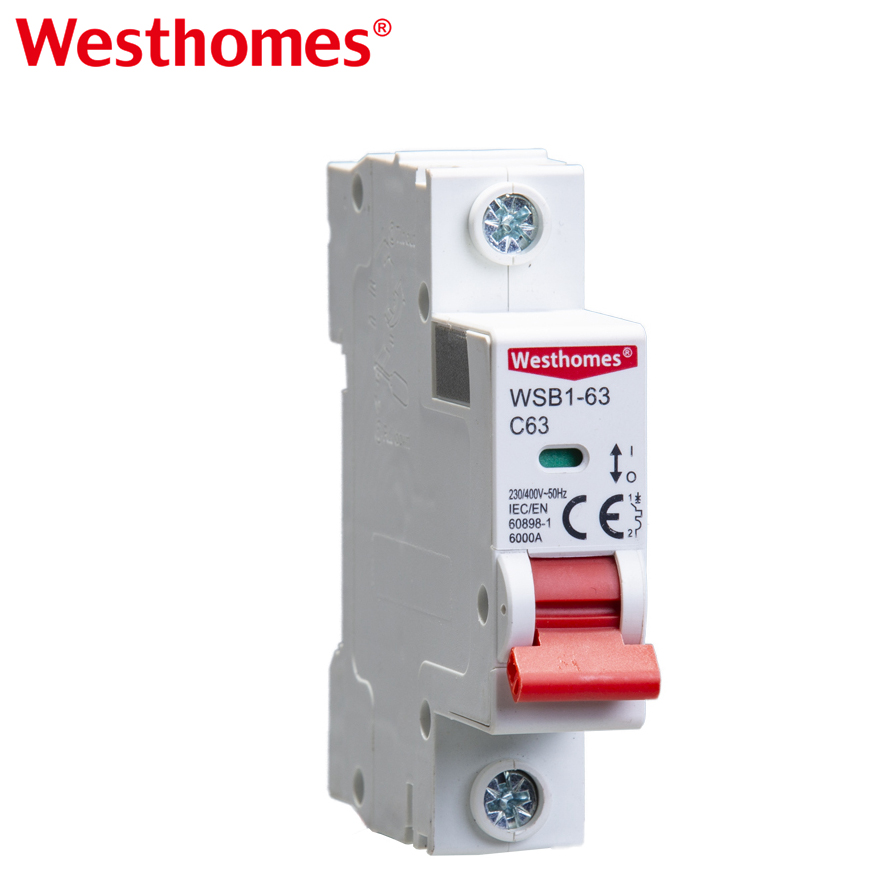
SP stands for Single Pole. It is commonly used in single-phase systems and protects only one live wire. This is the most common type found in residential lighting circuits and small electrical loads.
Because it only disconnects the phase line, the neutral remains connected. In simple residential systems, this is usually acceptable and cost-effective.
TP Circuit Breaker
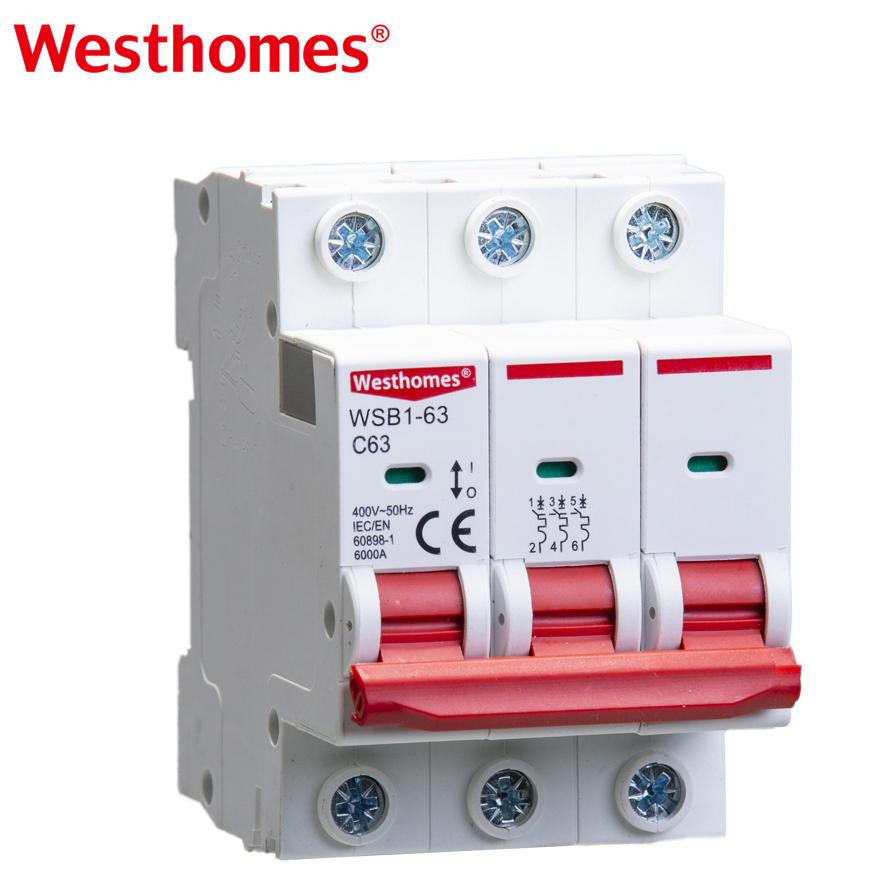
TP means Triple Pole. It is designed for three-phase systems and protects all three phases simultaneously.
TP breakers are commonly used for three-phase motors, industrial machinery, and equipment that do not require a neutral line. If one phase trips, all three phases disconnect together to protect the equipment.
TPN Circuit Breaker
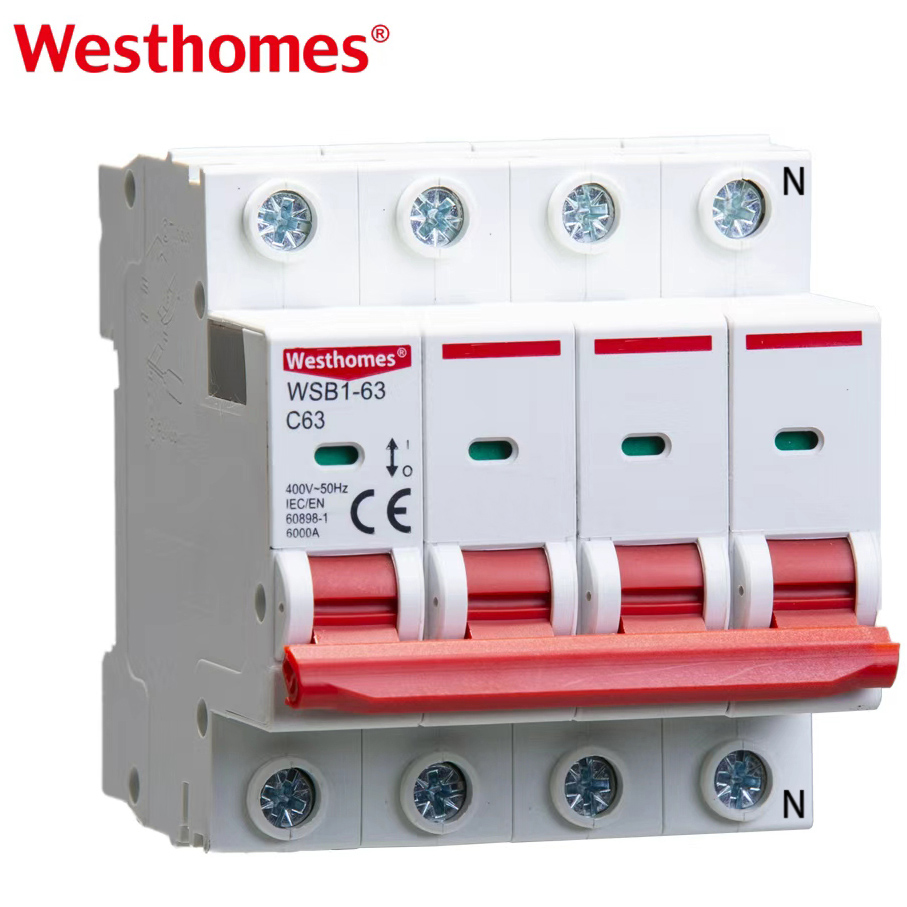
TPN stands for Triple Pole and Neutral. Compared with TP breakers, it includes an additional neutral pole.
This type is widely used in three-phase four-wire systems where neutral isolation is required. The neutral is switched together with the phases, although it is typically not protected in the same way as the phase conductors.
In many commercial buildings and distribution systems, TPN breakers are preferred because they provide more complete circuit isolation during maintenance.
4P Circuit Breaker
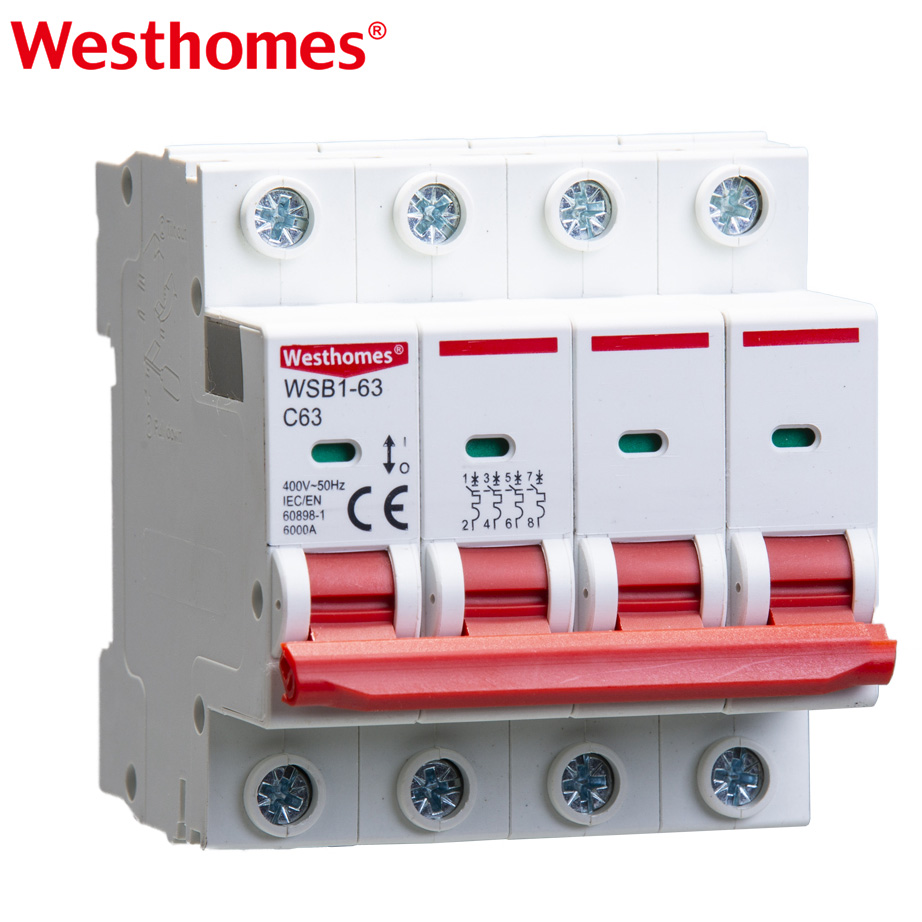
4P means Four Pole. It is similar to TPN, but the neutral pole is also fully protected and switched.
This type is typically used in more critical systems where neutral protection is important, especially in systems with unstable loads, harmonics, or sensitive electrical equipment.
In industrial power systems, data centers, hospitals, and generator applications, 4P breakers are often selected to improve safety and ensure complete isolation.
SP vs TP vs TPN vs 4P: A Quick Comparison
| Type | Pole Configuration | Neutral Switching | Neutral Protection | Typical Application |
| SP | Single Pole | No | No | Residential single-phase circuits |
| TP | Triple Pole | No | No | Three-phase motors and machinery |
| TPN | Triple Pole + Neutral | Yes | No | Three-phase systems with neutral |
| 4P | Four Pole | Yes | Yes | Critical or sensitive power systems |
The table shows that the main difference between SP, TP, TPN, and 4P circuit breakers is not just the number of poles, but also how they handle the neutral conductor and what type of power system they are designed for.
SP breakers are mainly used in single-phase residential circuits and only disconnect the live wire. TP breakers are designed for three-phase equipment such as motors and industrial machinery where no neutral line is required.
TPN breakers add neutral switching, making them suitable for three-phase systems with a neutral conductor, especially in commercial and distribution applications. 4P breakers provide both neutral switching and neutral protection, which makes them ideal for critical or sensitive power systems where complete isolation is important. The table above shows how pole count changes the wiring, but single and three phase AC MCBs also differ in how the neutral pole is protected internally.
So, Which One Should You Actually Choose?
For Residential Systems
For most homes and small single-phase circuits, SP breakers are usually enough. They are simple, compact, and widely used for lighting circuits, sockets, and small household appliances.
In residential applications, the electrical load is generally not very complex, so a single-pole breaker can provide reliable protection without increasing installation cost or panel space. This is why SP breakers remain the most common choice for everyday household distribution systems.
For Three-Phase Equipment Without Neutral
If the equipment only uses three phases and does not require a neutral wire, TP breakers are commonly used. Typical examples include motors, pumps, compressors, and industrial machinery.
In these applications, all three phases need to disconnect together if a fault occurs. TP breakers help ensure balanced protection for the equipment while keeping the system design relatively straightforward.
For Three-Phase Systems With Neutral
In systems where a neutral line is required, TPN breakers become more practical because they allow both phase and neutral isolation. This is especially useful in commercial buildings, distribution panels, and mixed-load systems where both single-phase and three-phase loads exist together.
By disconnecting the neutral together with the phases, TPN breakers improve maintenance safety and reduce the risk of incomplete isolation during servicing.
For Critical or Sensitive Power Systems
When the neutral line also needs protection, especially in critical applications, 4P breakers are generally the safer option. They are often used in hospitals, data centers, generator systems, UPS systems, and other installations where power quality and system stability are extremely important.
Because the neutral pole is also protected, 4P breakers provide more complete isolation and help improve system reliability under unbalanced or sensitive load conditions.
Why Pole Configuration Matters More Than People Think
In real projects, incorrect breaker selection can create operational and safety issues. For example, using a TP breaker in a system that actually requires neutral isolation may leave part of the circuit energized during maintenance.
Likewise, choosing a standard breaker for systems with unstable neutral current can affect equipment reliability over time.
That’s why experienced engineers pay close attention not only to current ratings, but also to system grounding, load characteristics, and neutral requirements before selecting a breaker type.