Get quick appointment for technical support!

How to Size a Circuit Breaker for Electric Vehicle Chargers
Aug 24, 2026
EV charger circuit breaker
Electric vehicle charger circuit breakers safeguard charging equipment and residential electrical circuits, mitigating overload and short-circuit hazards. Selecting the correct breaker size maintains operational safety, enhances charging performance, and extends equipment lifespan.
This guide outlines circuit breaker selection by rated amperage, covering calculation standards, reference specifications, and installation variables.
Determining Required Circuit Breaker Amperage through the 125 Percent Standard
Electric vehicle charging represents a continuous load that operates uninterrupted for three or more hours. Electrical standards specify that circuits carrying continuous loads cannot operate at maximum capacity indefinitely. Selecting a breaker requires applying the 125 percent rule, which dictates that the breaker amperage rating must equal at least 1.25 times the charger maximum rated output.
A charger producing 32 amperes of maximum output cannot run on a 32-ampere breaker. Multiplying 32 by 1.25 equals 40 amperes. This configuration requires a 40-ampere breaker, which reserves a 25 percent operating margin to prevent thermal tripping or safety risks during extended charging sessions.
Standard Electric Vehicle Charger Current Sizes
16-Ampere Charger Specifications
16-ampere electric vehicle chargers commonly appear in portable or entry-level charging units designed for drivers with shorter daily commutes. These chargers demand lower power, place minimal stress on home electrical panels, and keep installation costs low. Applying the 125 percent calculation requires a 20-ampere breaker for a 16-ampere charger. Drivers who rely on overnight slow charging frequently select this entry-level option.
32-Ampere Charger Specifications
32-ampere chargers represent the baseline standard for residential wall-mounted units operating between 7.2 and 7.7 kilowatts, offering a balance between speed and installation feasibility. This specification fully replenishes most vehicle batteries overnight, which provides significant convenience for daily transportation. Calculating amperage via the 125 percent standard requires pairing a 32-ampere charger with a 40-ampere breaker to maintain power stability across hours of continuous operation.
40-Ampere Charger Specifications
40-ampere chargers delivering approximately 9.6 kilowatts yield faster charging speeds suitable for long daily commutes or larger vehicle battery packs. Vehicle owners continuously shift toward 40-ampere charging stations to reduce wait times as battery capacities grow. Higher operating currents mandate a 50-ampere dedicated breaker while requiring higher service capacity at the main breaker box alongside heavier wire gauges.
48-Ampere Charger Specifications
48-ampere chargers delivering approximately 11.5 kilowatts sit at the upper power tier of residential alternating current chargers, enabling vehicles to maximize their onboard charging hardware. High-power units require direct hardwired connections rather than standard plug outlets. Multiplying 48 amperes by 1.25 indicates a 60-ampere breaker requirement, which obligates property owners to verify main panel capacity with a licensed electrician prior to installation.
Electric Vehicle Charger Breaker Sizing Reference
| Charger Rated Amperage | 125 Percent Calculation | Recommended Breaker Size | Typical Power Output at 240 Volts |
|---|---|---|---|
| 16 A | 20 A | 20 A | ~3.8 kW |
| 24 A | 30 A | 30 A | ~5.8 kW |
| 32 A | 40 A | 40 A | ~7.7 kW |
| 40 A | 50 A | 50 A | ~9.6 kW |
| 48 A | 60 A | 60 A | ~11.5 kW |
| 80 A | 100 A | 100 A | ~19.2 kW |
Scenarios Requiring Smaller Circuit Breakers
Limited Main Electrical Panel Capacity
Older residences or property subpanels restricted to 100-ampere or 150-ampere total capacities cannot support high-amperage charger breakers. Installing a 60-ampere breaker on a limited panel risks tripping the main breaker when household appliances operate simultaneously. Choosing a smaller charger paired with a 20-ampere or 30-ampere breaker preserves system safety without forcing expensive service panel upgrades.
Short Daily Driving Distances
Vehicles used for brief urban commutes consume small fractions of battery capacity each day, allowing smaller breaker configurations to fulfill daily replenishment needs. 16-ampere or 24-ampere chargers charge at lower rates, yet six to eight hours of overnight connectivity easily restores daily range. Installing high-amperage breakers under low usage conditions increases hardware expenses and creates unnecessary wiring complexity.
Variables Influencing Circuit Breaker Selection
Wire Gauge and Conductor Matching
Breaker amperage ratings must correspond to conductor wire gauge sizes so the breaker trips before conductors overheat. Oversized breakers paired with undersized wires permit dangerous thermal buildup during overloads while the breaker fails to trip. Installers must select breakers that align with the ampacity of specified copper conductors to maintain circuit integrity.
Run Distance and Voltage Drop
Physical distance between the main panel and charging station impacts electrical performance through thermal loss and voltage drop. Cable runs exceeding 30 meters require larger wire gauges to offset line resistance, which sometimes alters breaker selection strategy. Accounting for distance-induced resistance protects system efficiency and prevents excessive voltage drop.
Ambient Temperature Impact on Performance
Thermal-magnetic circuit breakers react to ambient temperatures because heat affects their internal trip mechanisms. Breaker boxes located in direct sunlight or unconditioned garages trip prematurely when internal components reach thermal thresholds. Installers must consult manufacturer temperature derating charts to confirm stable breaker operation under extreme thermal conditions.
Circuit Breaker Type Specifications
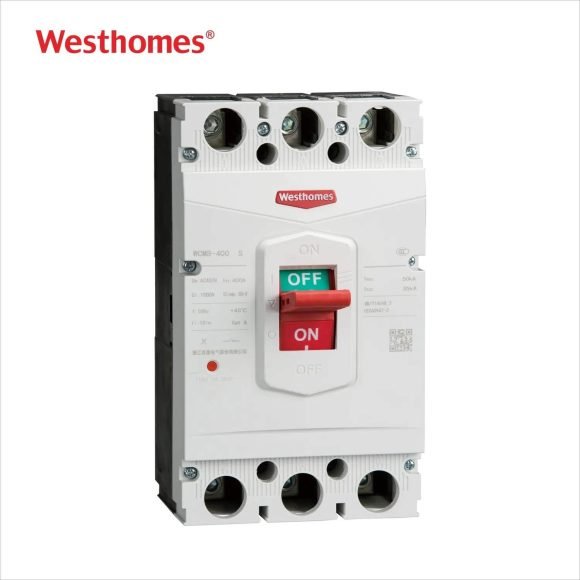
Single Pole versus Double Pole Breakers
Residential Level 2 chargers operating on 240-volt circuits require double-pole breakers instead of single-pole units. Double pole breakers occupy two panel slots to simultaneously interrupt both hot conductors, supplying continuous 240-volt output. Single pole breakers cannot deliver required operating voltage, making double-pole selection foundational to charging functionality.
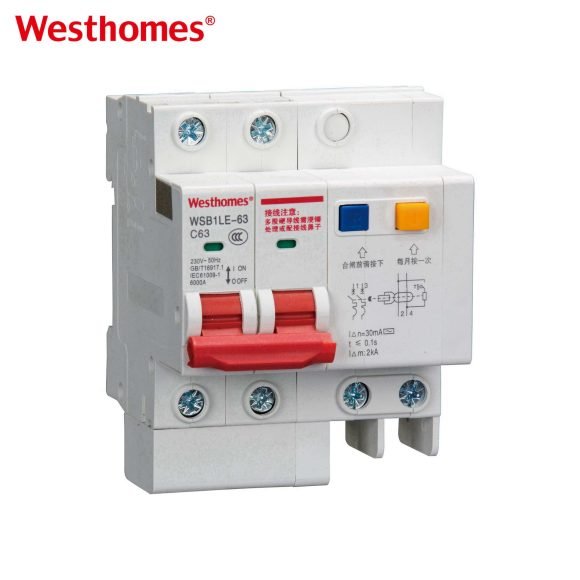
Residual Current and Ground Fault Protection Standards
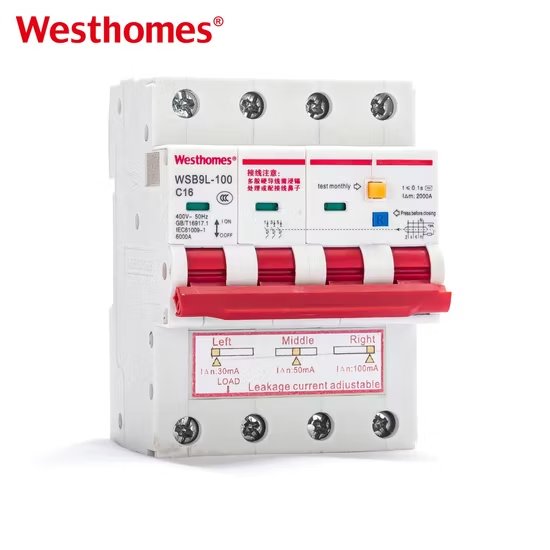
Electric vehicle charging introduces direct current leakage risks that demand specialised protective devices, with standards varying by geographic region. International Electrotechnical Commission markets in Europe and Asia mandate Type B residual current devices when equipment lacks internal 6-milliampere direct current leakage detection, whereas Type A devices suffice when internal detection exists. National Electrical Code rules in North America require National Electrical Code 2020 or 2023 compliant ground fault circuit interrupter breakers on panel supply ends for plug-in installations using NEMA 14-50 or 6-50 receptacles.
Breaker Trip Curves under International Standards
Selecting appropriate trip curves under International Electrotechnical Commission standards prevents nuisance tripping caused by initial inrush currents during charging initiation. Electric vehicle charging draws moderate inductive surges upon starting, which causes sensitive Type B trip curves to open circuits prematurely. Installing Type C trip curve breakers accommodates normal startup surges while maintaining overload and short circuit protection.
Selecting Breaker Form Factors across Applications
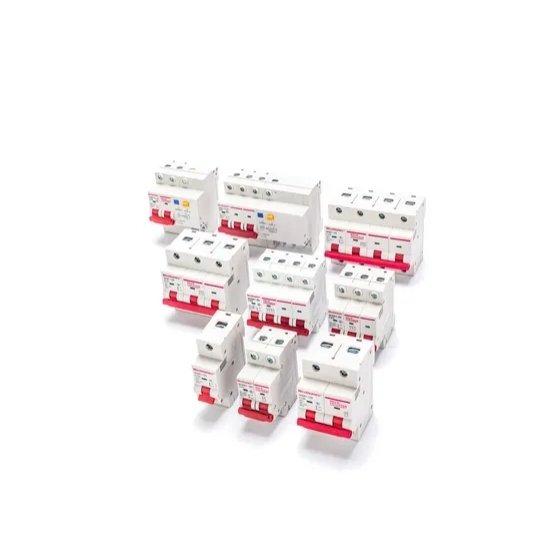
Project scope dictates whether miniature circuit breakers, molded case circuit breakers, or residual current breakers with overcurrent protection offer optimal utility. Residential Level 1 and Level 2 installations use compact miniature circuit breakers or residual current breakers with overcurrent protection to save space within residential panels. Commercial Level 2 stations and high-power direct current fast chargers require molded case circuit breakers with higher interrupting capacities and adjustable trip settings to meet engineering requirements.
Steps to Select the Correct Breaker
Reviewing Charger Nameplate Parameters
Selecting a breaker begins with reviewing manufacturer product documentation or physical nameplate labels affixed to the charger. Manufacturers list maximum rated current outputs and specify recommended breaker ratings that incorporate continuous load margins. Adhering to manufacturer guidelines preserves equipment warranties while ensuring proper electrical integration.
Retaining a Licensed Electrician for Assessment
Installing circuit breakers involves hazardous high-voltage panel work that certified electricians should perform. Professional electricians assess total panel load, test grounding connections, verify torque specs, and determine proper wire sizing. Hiring licensed professionals ensures installations comply with local electrical codes and mitigates property hazards.
Conclusion
Sizing an electric vehicle charger circuit breaker requires applying the 125 percent calculation rule while evaluating wire gauges, ambient temperatures, and main panel capacity. Proper breaker selection protects household electrical infrastructure and provides reliable daily charging performance.
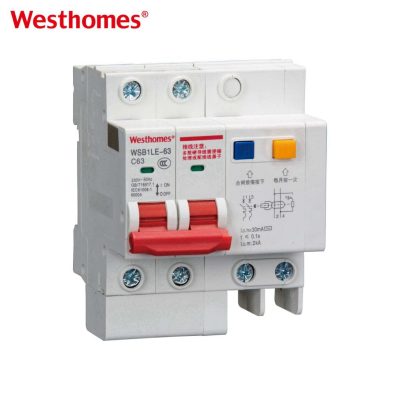
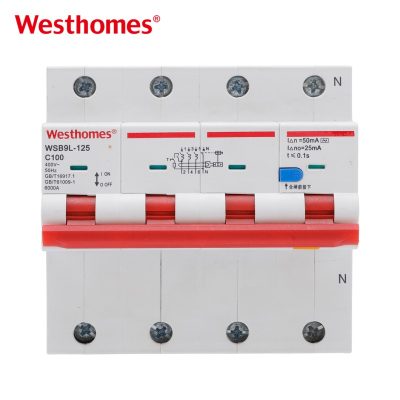
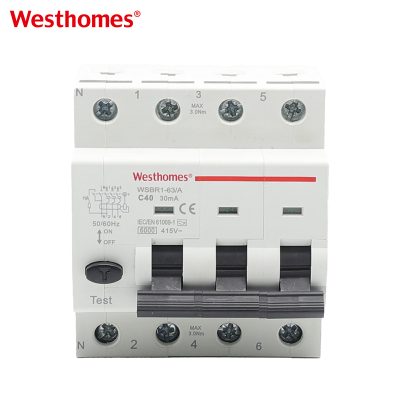
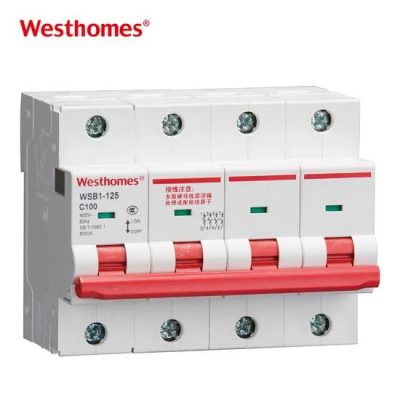
Westhomesele provides a range of circuit breakers tailored to diverse installation requirements, available through our homepage catalog.
Frequently Asked Questions
01Can a 32-ampere charger run on a 32-ampere circuit breaker?
No. Electric vehicle charging constitutes a continuous load, which requires a 40-ampere breaker under the 125 percent rule to prevent overheating.
02Does installing a larger circuit breaker increase system safety?
No. An oversized breaker fails to trip during wire overload conditions, which causes cable overheating and fire risks.
03Why do Level 2 chargers require double-pole circuit breakers?
Level 2 chargers require 240-volt power, which demands double-pole breakers to connect and switch two separate 120-volt hot lines.
04What causes circuit breakers to trip during charging sessions?
Tripping occurs from undersized breaker ratings, loose terminal connections, high ambient heat, or ground fault protection conflicts.
05Can property owners replace charger circuit breakers without professional assistance?
No. Working inside main electrical panels presents severe shock hazards, requiring execution by licensed electricians.
Build a Safer Electrical System
Discuss ratings, application conditions, and protection requirements with the Westhomesele team.

--- END ---
In this blog
Featured Articles
Get A Free Quote
Related Products