Get quick appointment for technical support!

How to Size an Automatic Transfer Switch for Generator and Grid Changeover
Sep 10, 2026
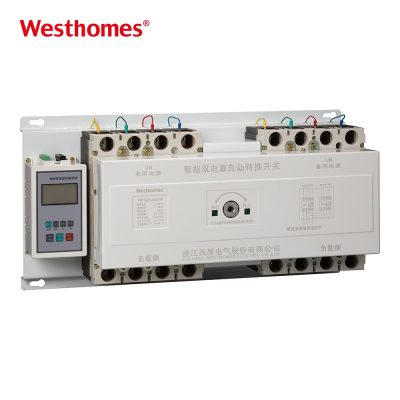
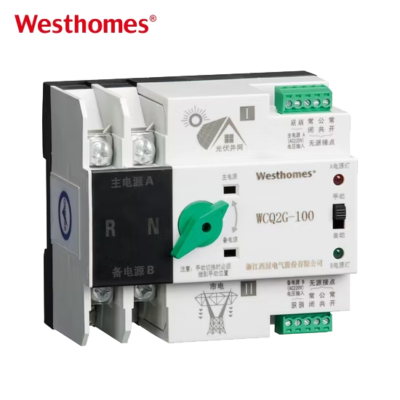
automatic transfer switch sizingAutomatic transfer switches connect main power grids and backup generators, enabling smooth power transitions and safeguards electrical systems. Manufactured with highly conductive copper alloy contacts and flame-retardant engineering enclosures, these switches deliver high reliability. When primary power fails, the device switches to generator operation automatically. This article covers working principles, comparisons with manual switches, preparation steps, sizing calculations, and installation guidelines.
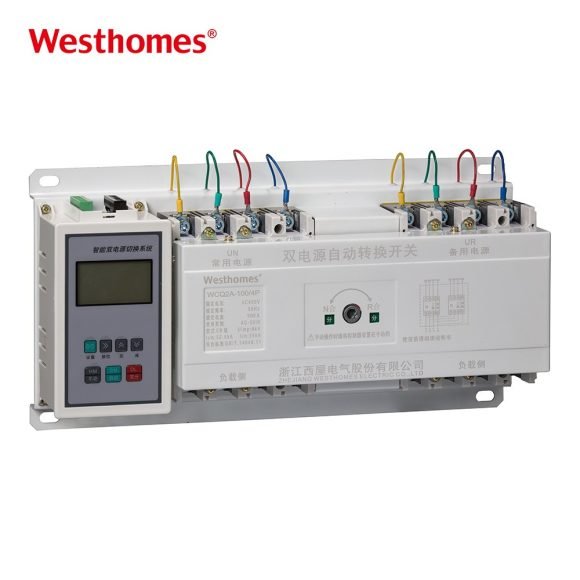
Automatic Transfer Switch Working Principles
Automatic transfer switches monitor grid voltage and frequency continuously to manage power transitions. When the primary grid experiences an outage, undervoltage, or failure, the switch sends a startup signal to the generator and shifts the load to generator power once voltage stabilizes. After grid power recovers and stabilizes, the switch transfers the load back to the utility, instructs the generator to cool down, and shuts it down without human intervention.
Differences Between Automatic and Manual Transfer Switches and Their Applications
Operating Mechanisms and Automation
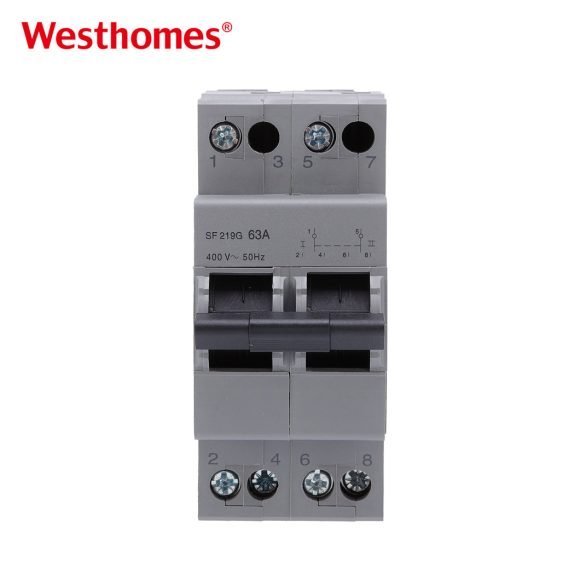
Control logic and response speed separate automatic transfer switches from manual transfer switches. Automatic switches include internal controllers that monitor grid status around the clock and complete power transitions within milliseconds or seconds without human involvement. Manual switches depend on manual operations, requiring personnel to pull levers and flip double throw switches after an outage occurs, which increases response times and risks operator error.
Application Scenarios and Financial Considerations
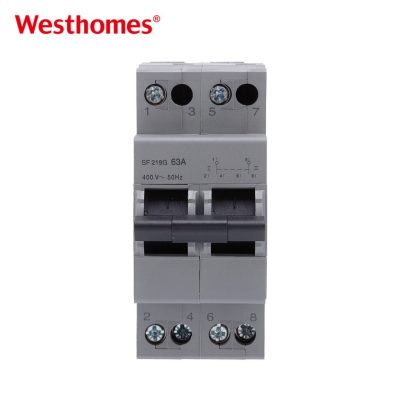
Power continuity requirements and budget constraints determine whether an automatic or manual switch fits best. Automatic switches serve facilities that cannot tolerate power interruptions, including hospitals, data centers, continuous production plants, and unmanned base stations. Manual switches offer simpler structures, lower costs, and straightforward maintenance, making them suitable for residential homes, small farms, or retail shops that tolerate brief outages.
Comparison
| Comparison Dimension | Automatic Transfer Switch | Manual Transfer Switch |
|---|---|---|
| Transfer Method | Controller detects status and switches automatically | Personnel manual operation |
| Response Time | Seconds or less | Depends on operator arrival speed |
| Human Involvement | Unattended operation | Manual intervention required |
| Equipment Cost | Higher initial investment | Lower equipment cost |
| Typical Applications | Hospitals, data centers, commercial buildings, remote towers | Single family homes, small storefronts, temporary sites |
Preparation Steps Before Sizing
Define Load Types and Power Requirements
Evaluating electrical loads provides the foundation for sizing a transfer switch. Users must determine whether they need whole facility backup or essential load backup while calculating total equipment wattage. Systems running inductive loads like air conditioners, water pumps, or electric motors require accounting for inrush currents, which prevents high starting currents from welding contacts or damaging components.
Verify Grid and Generator Specifications
Checking utility grid and generator electrical parameters ensures system compatibility. Before selecting a unit, users need to confirm main panel amperage ratings such as 100A, 200A, or 400A, operating voltages like single-phase 120/240V or three-phase 208/480V, and system frequency. Verifying rated running generator wattage and peak generator wattage ensures the switch amperage and pole counts match the electrical architecture.
Calculating and Determining Automatic Transfer Switch Size
Size by Main Entrance Capacity and Generator Current
Sizing a switch requires evaluating main service panel capacity alongside maximum generator current output. For whole facility backup systems, the switch amperage rating must equal or exceed the main circuit breaker rating, meaning a 200A main panel requires a switch rated for at least 200A. When sizing by generator capacity, users calculate continuous current using I = P / (V × PF) and apply the 80% continuous load rule required by electrical codes.
Select Pole Count and Transition Modes
Choosing pole counts and transition modes ensures safe system integration and smooth power transfers. System grounding architecture determines whether to use three pole or four pole switches, where four pole switches that switch neutral conductors prevent circulating currents when generators feature independently grounded neutrals. Standard setups use open transition break before make modes, whereas sensitive equipment requires closed transition make before break modes.
Installation Guidelines
Installation Location and Enclosure Protection Ratings
Proper placement and physical protection support long-term equipment reliability. Installing switches close to main service panels and generators shortens cable runs, reduces voltage drop, maintains airflow, and leaves space for maintenance. Environmental conditions dictate enclosure protection levels, where indoor setups use NEMA 1 or IP20 units, while outdoor locations require weather-resistant NEMA 3R or IP65 enclosures.
Electrical Codes and Safe Wiring Standards
Adhering to local electrical codes forms a foundation for safe installations. Licensed electricians must handle wiring to secure utility, generator, and load connections while establishing proper grounding. Switches installed as service entrance equipment require main overcurrent protection and disconnect mechanisms that prevent backfeeding power into utility lines.
The Best Choice Is What Suits You
Selecting a transfer switch requires evaluating load demands, checking grid and generator specifications, and calculating current capacity. Proper sizing and professional installation maintain power transitions and safeguard equipment.
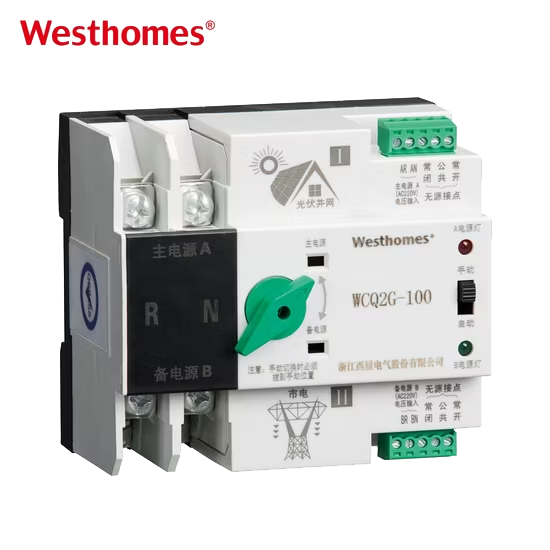
Westhomesele provides automatic transfer switches for reliable power setup.
Frequently Asked Questions
01Can automatic transfer switch amperage ratings fall below the main breaker capacity?
No. In whole facility backup systems, switch amperage ratings must equal or exceed main breaker capacity to prevent overload damage.
02What is the 80% continuous load rule?
Electrical codes mandate that continuous loads running on a switch should not exceed 80% of its rated current capacity, which leaves a safety margin.
03What differentiates three pole switches from four pole switches?
Three pole switches switch phase lines while leaving neutral lines connected. Four pole switches switch three-phase lines and neutral conductors simultaneously for systems with independently grounded generator neutrals.
04What precautions apply to outdoor installations?
Outdoor setups require weather-resistant enclosures like NEMA 3R or IP65 ratings with sealed cable entry points.
05Do standard residential homes need automatic transfer switches?
Selection depends on automation preferences. Homeowners who require unattended switching during outages for refrigeration or medical gear choose automatic units, whereas users seeking lower costs select manual switches.
Build a Safer Electrical System
Discuss ratings, application conditions, and protection requirements with the Westhomesele team.

--- END ---
In this blog
Featured Articles
Get A Free Quote
Related Products