Get quick appointment for technical support!

How to Solve Voltage Sags and Nuisance Tripping Power Quality Issues
Sep 14, 2026
voltage sags and nuisance tripping
Voltage sags and nuisance tripping represent common power quality problems in industrial and commercial power distribution systems. Voltage sags cause sensitive equipment to stop, while nuisance tripping cuts off operating circuits, leading to unplanned downtime and monetary losses. Identifying and resolving these hazards improves supply reliability, extends operational lifespan, and reduces maintenance expenses.
This article introduces definitions, root causes, diagnostic methods, and remediation strategies for voltage sags and nuisance tripping.
What Are Voltage Sags and Nuisance Tripping?
A voltage sag occurs when the root mean square voltage at a given point in the distribution network drops briefly to between ten percent and ninety percent of rated capacity for half a cycle to one minute. Grid faults or sudden startups of large loads trigger this phenomenon, which lasts briefly but remains long enough to trip undervoltage protection in programmable logic controllers, variable frequency drives, and precision control systems, shutting down production lines.
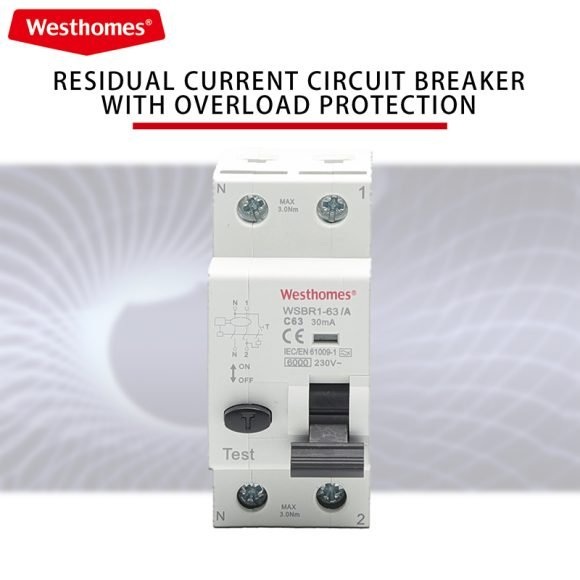
Nuisance tripping happens when protective circuit breakers trip to cut power without actual overloads, short circuits, or ground faults. Non linear loads generating higher-order harmonic interference, transient surge currents during voltage recovery, or residual current devices reacting to high-frequency leakage currents cause this issue. Nuisance tripping disrupts continuous power supply while increasing equipment wear through repeated power cycles.
Why Do Frequent Tripping Events Occur?
Common Causes of Voltage Sags
External Grid Faults
Lightning strikes breaking line insulation, wind causing cable collisions, tree contact, or single-phase ground shorts during storms cause widespread voltage drops.
Internal Impact Loads
Large induction motors starting directly under heavy load, or electric arc furnaces and welders starting suddenly, generate starting currents six to eight times higher than rated levels that pull down local bus voltages.
Transformer and Capacitor Bank Switching
Magnetizing inrush currents from upstream transformers energizing without load, or concentrated switching of capacitor banks, create transient voltage drops.
Four Common Causes of Nuisance Tripping
Transient surges and high-frequency interference cause circuit breakers to trip without real faults.
High Order Harmonic Interference
Non linear loads like variable frequency drives, switching power supplies, and light emitting diode drivers generate harmonic currents that distort signals in electronic trip units or overheat thermal elements, triggering false trips.
Inrush Currents and Overcurrents Following Sag Recovery
When voltage restores to normal, transformer and motor cores experience magnetic saturation that creates large magnetizing inrush currents, while variable frequency drive capacitors draw heavy charging currents that trip instantaneous protection.
High Frequency Ground Leakage Accumulation
Long cable capacitance and electromagnetic interference filters in complex distribution systems release high-frequency currents to ground wires during switching, triggering sensitive residual current devices.
Mismatched Protection Settings and Trip Curves
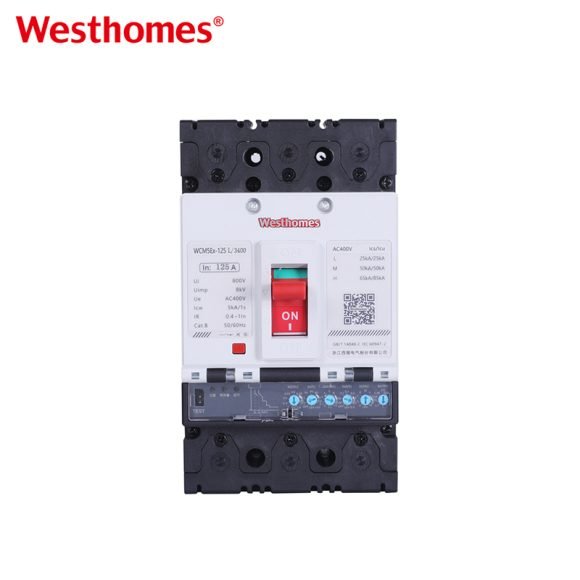
Installers choosing overly sensitive trip curves, like using C type breakers instead of D type breakers in motor circuits, cause normal motor startup currents to be misjudged as short circuit currents.
How to Accurately Locate Faults?
What Happened During the Moment of Tripping?
Locating hidden power quality faults requires connecting a power quality analyzer at critical nodes for continuous monitoring. The device acts like a recorder for the distribution network, recording sag depth, duration, and current waveforms before and after events. Reviewing these waveforms shows whether harmonic overload or current surges caused the trip.
Is Grid Fluctuation Too Large or Is Equipment Weak?
Plotting recorded voltage residual levels and duration times directly onto standard ITIC or CBEMA tolerance curves allows quantitative evaluation. This curve marks safe operating areas and misoperation areas, showing whether external grid drops exceeded standards or whether terminal equipment lacked ride-through capability.
Did the Fault Originate Outside the Facility or Inside Equipment?
Determining fault origin keeps remediation plans on target. Checking current changes during voltage drops identifies the source. When current in a branch circuit increases as voltage drops, the fault resides within that branch circuit. When current decreases as voltage drops, the fault comes from the upstream grid or external distribution lines.
What Are Treatment Solutions for Voltage Sags?
Protecting Core Loads with Uninterruptible Power Supplies
Online double conversion uninterruptible power supplies convert alternating current into direct current before converting it back to clean alternating current for loads. Battery systems deliver power without interruption during outages, making them suitable for small power control units including programmable logic controllers, servers, and precision measuring instruments.
Using Dynamic Voltage Restorers for System Level Compensation
Dynamic voltage restorers offer series compensation for industrial loads. These devices monitor grid voltage and inject compensating voltage through series transformers within two to five milliseconds when detecting drops, restoring load voltage to rated levels. Dynamic voltage restorers supply missing energy only during sags, operating with lower footprint and maintenance costs.
Expanding Variable Frequency Drive Direct Current Bus Support
Adding external supercapacitors or direct current support units to variable frequency drive direct current buses improves disturbance resistance. When input voltage drops, the direct current bus draws energy immediately from storage to maintain stable inverter output, improving continuous operation for variable frequency drives and servo systems without network modifications.
How to Fix Nuisance Tripping of Circuit Breakers?
Optimizing Circuit Breaker Trip Curves and Delay Settings
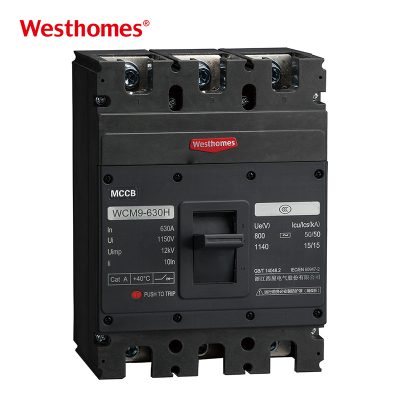
Changing standard trip curves to types with higher short circuit thresholds protects circuits with motors or variable frequency drives. Electronic trip units featuring short-time delays relax instantaneous responses, allowing breakers to ride-through starting surges and recovery currents safely.
Selecting Anti Interference and Type B Residual Current Devices
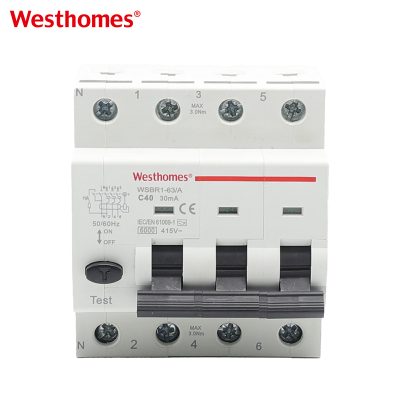
Upgrading standard Type AC or Type A residual current devices to models with high-frequency filtering or Type B devices that detect smooth direct current and high-frequency leakage prevents false operations caused by harmonic and direct current interference while maintaining electric shock protection.
Suppressing System High Order Harmonics and Surge Currents
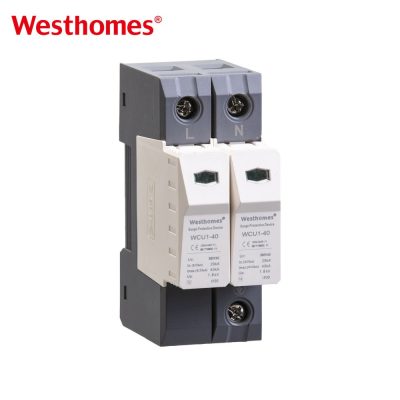
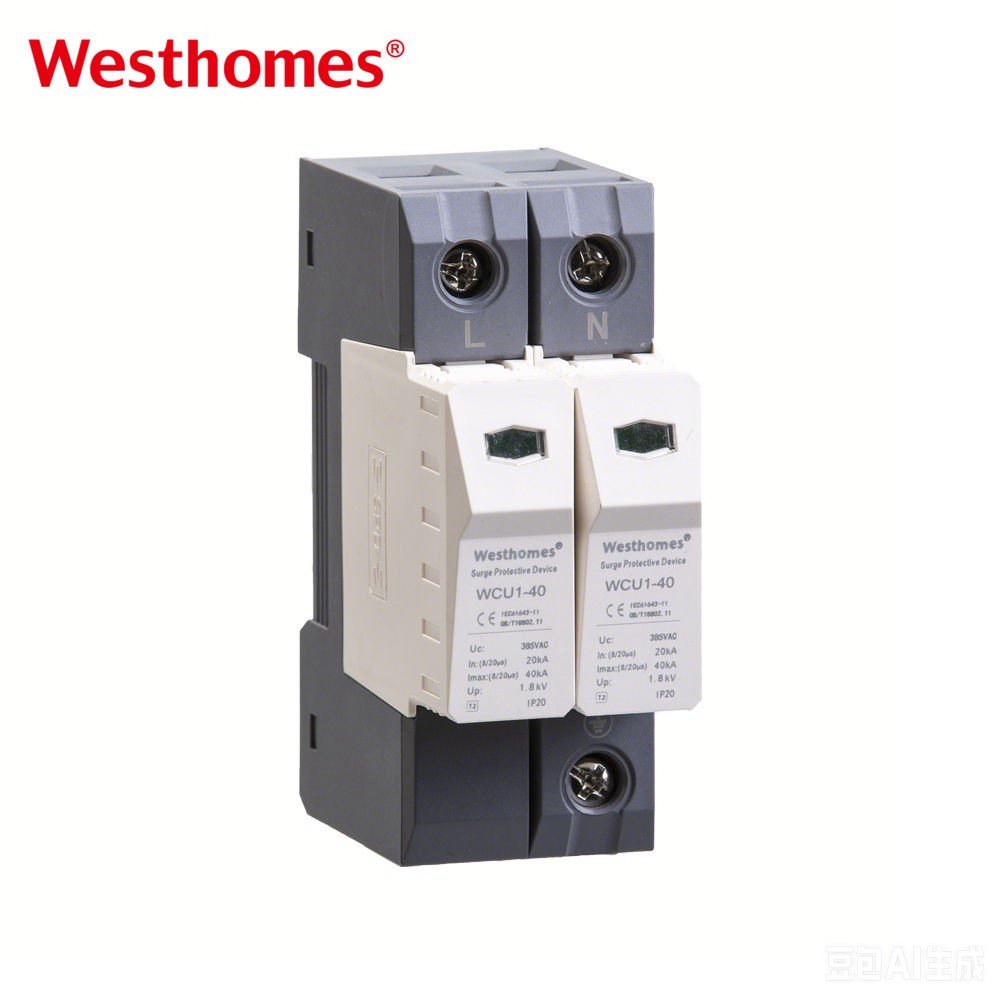
Installing alternating current input reactors or active power filters ahead of nonlinear loads filters harmonic currents, improving current sampling for trip units. Surge protective devices and overvoltage suppression equipment absorb transient peaks during switching and voltage recovery, preventing false trips from overvoltage.
Daily Prevention and Operation Management for Power Quality
Managing power quality requires shifting from reactive repairs to proactive prevention through structured maintenance routines:
Deploying online monitoring modules that integrate supervisory control and data acquisition or energy management systems at main inlets and branch buses to warn about harmonics, unbalance, and transient sags.
Standardizing equipment connection evaluations using electromagnetic compatibility standards before adding large machinery or variable frequency systems, requiring suppliers to install reactors and filters.
Conducting periodic protection reviews to check breaker settings while separating control loads from high impact power loads on independent supplies to reduce cross-interference.
Solution and Prevention Share Equal Value
Resolving voltage sags and nuisance tripping functions as a comprehensive engineering task. Replacing equipment after faults occur fails to eliminate hidden hazards, making a combination of diagnosis, targeted treatments, and routine preventive maintenance necessary to build distribution networks that operate reliably.
Build a Safer Electrical System
Discuss ratings, application conditions, and protection requirements with the Westhomesele team.

--- END ---
Prev: WSB1-63 Miniature Circuit Breaker
Already the latest article
In this blog
Featured Articles
Get A Free Quote
Related Products