Get quick appointment for technical support!

What Is a Smart Circuit Breaker With Remote Control and Monitoring?
Sep 02, 2026
smart circuit breaker
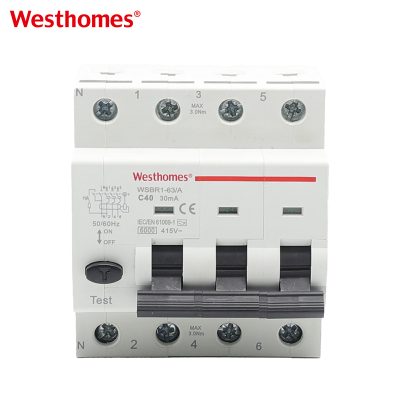
Smart circuit breakers integrate internet of things and digital sensing capabilities into electric power protection devices, making remote control, live monitoring, and fault alerts possible. Manufacturers often build them with flame-retardant engineering plastics and copper alloy conductors for safe and long lasting operation.
This article covers how smart circuit breakers operate, their main components, differences from traditional units, overall safety, and buying guidelines.
What Is a Smart Circuit Breaker?
A smart circuit breaker upgrades traditional circuit protection against overloads and short circuits by adding microprocessors, sensors, and communication modules. It cuts off power automatically when current becomes abnormal, and it uploads operational metrics such as voltage, current, power, and consumption to cloud servers or management consoles for digital energy management.
Functions and Working Principles
Real-Time Data Collection and Monitoring
Smart circuit breakers continuously track electrical metrics across circuits. Internal sensors take live readings of current, voltage, power factor, and temperature, which the internal microprocessor analyzes. The breaker transmits these readings to cloud platforms or mobile apps so users can observe energy usage, spot hazards, and optimize power allocation.
Remote Control and Automated Scheduling
Remote operation eliminates the requirement for manual intervention on site. Users send trip or close commands from mobile devices or central management platforms to control power flow as needed. When combined with timers and automated rules, the breaker opens or closes circuits based on preconfigured schedules to improve operational efficiency.
Fault Diagnosis and Early Warning
Smart circuit breakers use proactive defense and precise trip mechanisms. When the internal circuit detects overloads, short circuits, earth leakage, low voltage, or high temperatures, the microprocessor decides within milliseconds to trip the switch. The breaker immediately pushes fault type and location details to technicians to shorten troubleshooting time.
Components of a Smart Circuit Breaker
Sensing and Data Collection Module
The sensing module serves as the primary sensor network that gathers electrical status information. It contains current transformers, voltage sampling circuits, and temperature sensors that measure physical parameters across active lines. These digitized measurements provide data for microprocessor analysis and fault diagnosis.
Microprocessor and Control Unit
The microprocessor and control unit act as the primary computing engine for the device. It relies on a microcontroller chip that processes incoming data streams from sensors. When measured values cross safety limits, the controller sends immediate trip commands to the actuator to protect the circuit.
Communication and Remote Interfaces
Communication interfaces connect the circuit breaker to external networks. This component supports Wi-Fi, Zigbee, 4G, or RS485 connectivity protocols to upload local readings to the cloud and receive remote operational commands from control systems.
Tripping Mechanism and Actuator
The tripping mechanism and mechanical actuator carry out physical switching. The assembly keeps traditional electromagnetic and thermal trip structures while adding an electric drive system using motors or solenoids. Following commands from the central microprocessor, the actuator opens or closes contacts quickly.
Differences Between Smart and Traditional Circuit Breakers
| Comparison Aspect | Traditional Circuit Breaker | Smart Circuit Breaker |
|---|---|---|
| Control Method | Local manual switching only | Manual, smartphone app, or software control |
| Status Monitoring | No active monitoring | Live tracking of current, voltage, power, and temperature |
| Fault Warning | No advance warning before tripping | Alert warnings before trip thresholds occur |
| Connectivity | Standalone operation | Wi-Fi, Zigbee, and RS485 network connections |
| Energy Management | No power metering features | Built in power metering and efficiency analysis |
Safety and Reliability
Multiple Electrical Protection Features
Smart circuit breakers offer comprehensive electrical defense capabilities. Beyond basic overload and short circuit protection, they include earth leakage protection, overvoltage or undervoltage protection, temperature monitoring, and surge protection. Microprocessors assess fault conditions and disconnect power within milliseconds to prevent electrical fires and equipment damage.
Hardware Redundancy and Self Inspection
Redundant hardware design helps smart circuit breakers run reliably in tough operating conditions. Internal software runs self checks periodically to verify sensor and actuator readiness. Even if network connections drop, the device relies on local hardware circuits to trigger safety trips.
Features of Smart Circuit Breakers
Remote Switching Management
Remote switching frees managers from physical site visits. Technicians open or close specific circuit breakers using mobile apps or management systems from any location. This capability simplifies routine maintenance and offers a quick way to cut power during emergencies.
Energy Metering and Consumption Analysis
Energy metering provides accurate records for power management. Built in metering chips record power draw, total power consumption, and peak load periods. Analytics dashboards help users identify power hungry devices and create energy saving routines.
Scheduled and Automated Control
Scheduled automation brings automated control to power distribution. Users configure custom power schedules to shut off unnecessary circuits outside business hours. The breaker also pairs with environmental sensors to change switch states as conditions vary.
Selecting the Right Smart Circuit Breaker
Current Rating and Pole Count
Choosing a smart breaker starts with matching electrical specifications. Users calculate needed current ratings like 16A, 32A, or 63A based on circuit load, and choose pole counts like 1P, 2P, or 4P according to line design. Proper rating choices ensure normal operation and reliable safety trips.
Communication Protocol and System Integration
Protocol choices determine how easily the breaker connects to management systems. Depending on local network setups, buyers select among Wi-Fi, Zigbee, RS485, or 4G options. Buyers should verify compatibility with target smart home hubs or industrial automation platforms to maintain stable connections.
Protection Capabilities and Certification Standards
Checking protection capabilities alongside safety certifications helps ensure operational stability. Buyers should choose models that include overload, short circuit, earth leakage, and thermal protection. Products should carry official safety certifications like CCC to ensure long-term reliability.
Conclusion
Smart circuit breakers combine circuit protection with internet of things technology to bring remote control, live monitoring, and fault warnings to power distribution systems.
Westhomesele manufactures high-performing smart circuit breakers, and you can visit our homepage to make inquiries.
Frequently Asked Questions
01Can smart circuit breakers operate without an internet connection?
Yes, they continue providing local electrical protection and manual switching when offline.
02How do smart circuit breakers prevent electrical fires?
Microprocessors detect overheating or current spikes and trip power within milliseconds.
03Are smart circuit breakers compatible with existing distribution boards?
Most models use standard DIN rail mounting, allowing installation in standard panels.
04Do smart circuit breakers reduce electricity bills?
They provide live power metering data that helps users locate energy waste and adjust usage.
05What happens during a power outage?
The breaker stays in its current switch position and reconnects to networks once power returns.
Build a Safer Electrical System
Discuss ratings, application conditions, and protection requirements with the Westhomesele team.
Related: Solar PV DC Breaker Sizing Guide, which covers circuit breaker step by step.
Related: WCM1-P Series Prepaid electric meter electric operation dedicated circuit breaker, which covers circuit breaker step by step.
Related: WCM1-P Prepaid Metering Electric Operation Dedicated Circuit Breaker, which covers circuit breaker step by step.

--- END ---
In this blog
Featured Articles
Get A Free Quote
Related Products