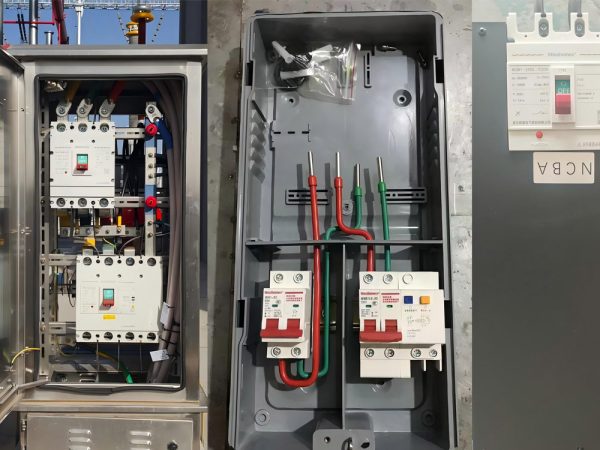
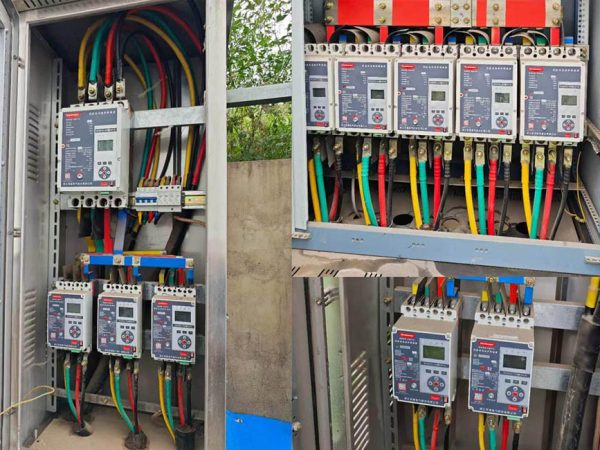
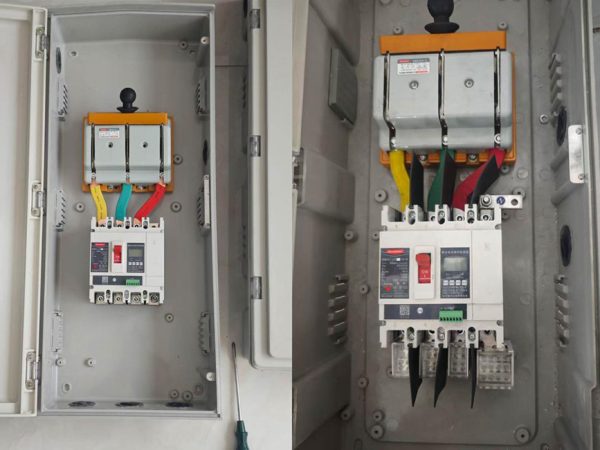
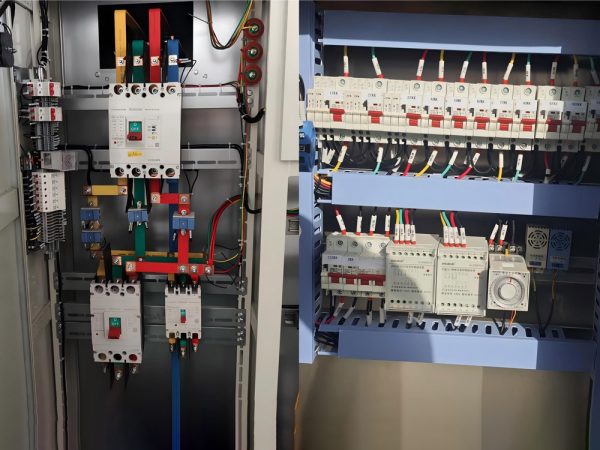
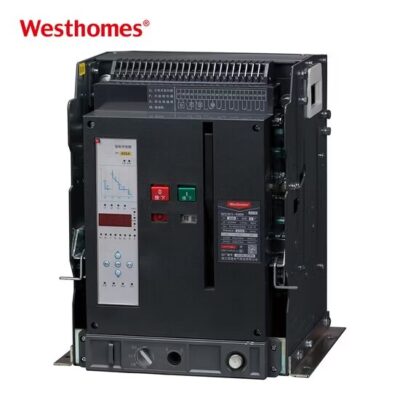
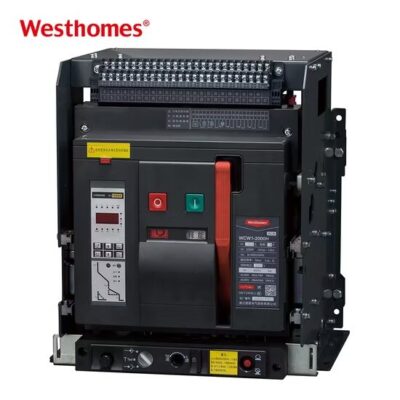
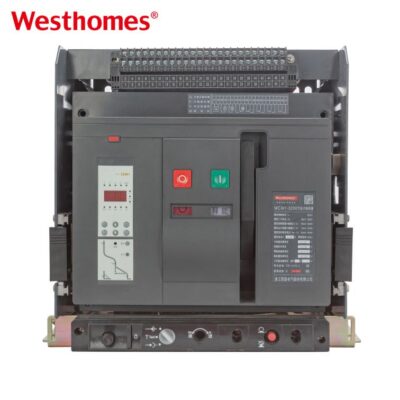
WCW1 Moulded case circuit breaker
WCW1 is one of updated type MCCBs researched and developed by the company by using advanced design and manufacture technology internationally.
Get quick appointment for technical support!

WCW1 series MCB is one of updated type MCCBs researched and developed by the company by using advanced design and manufacture technology internationally.

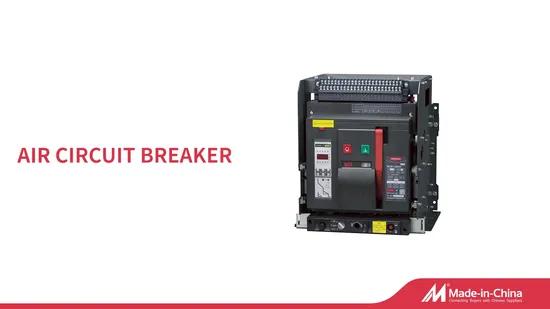
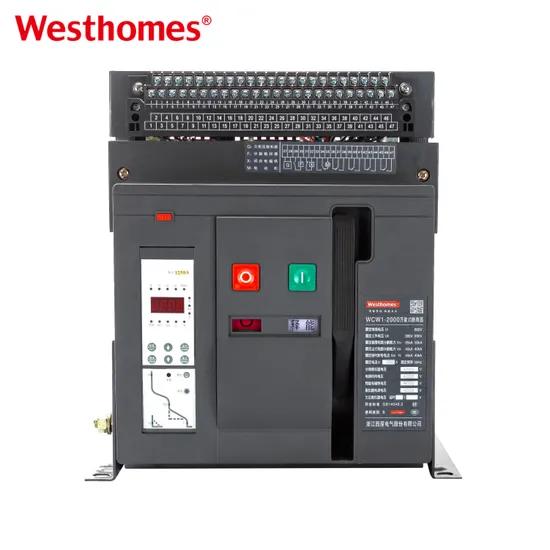
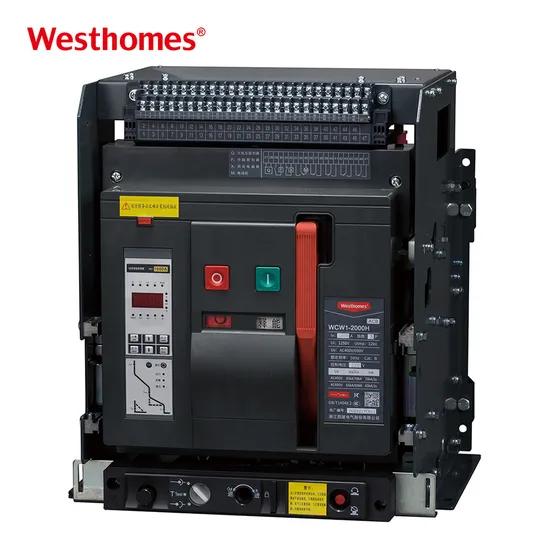
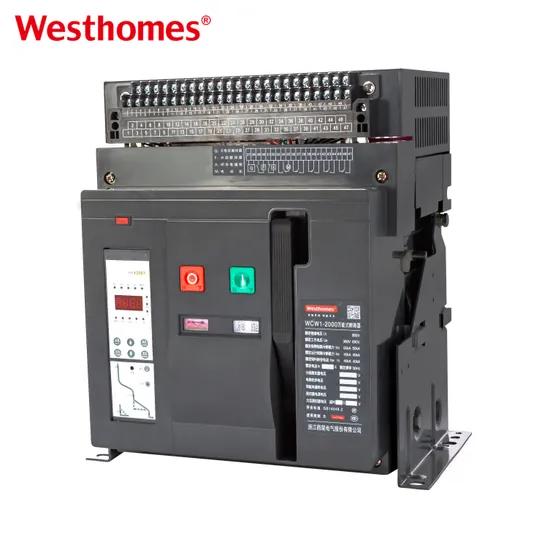
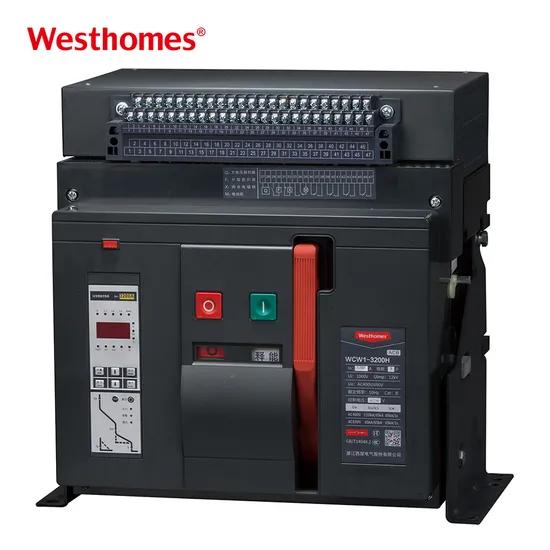
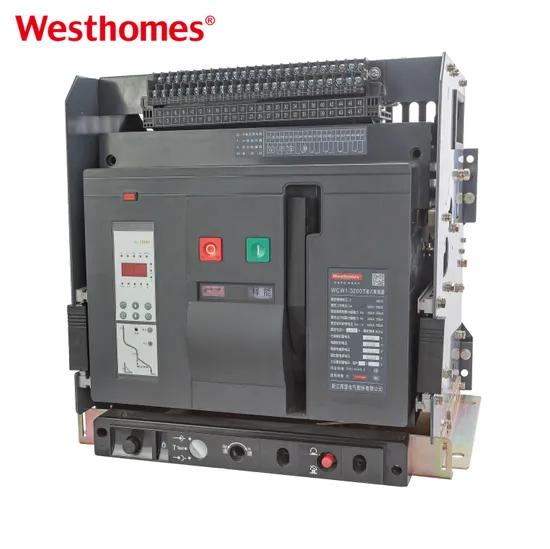
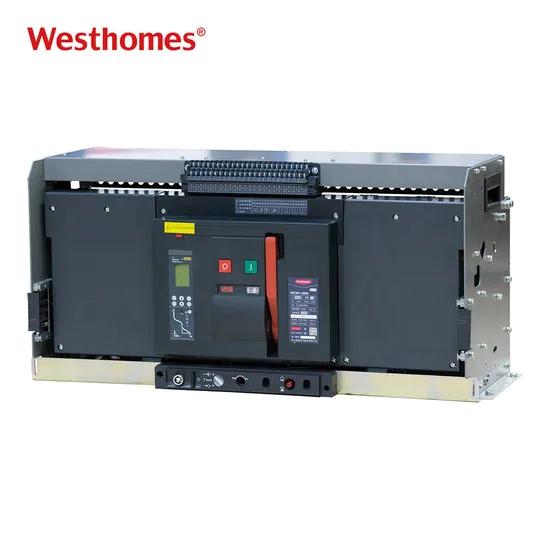
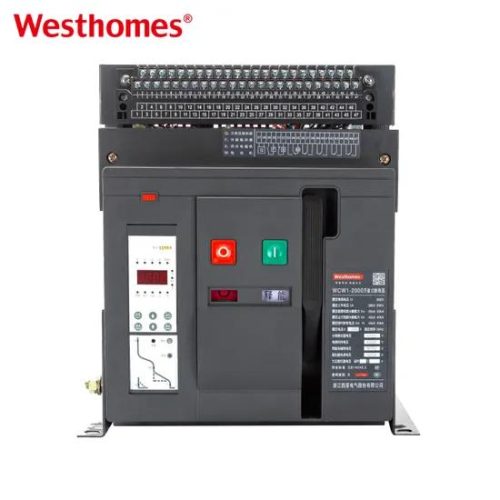
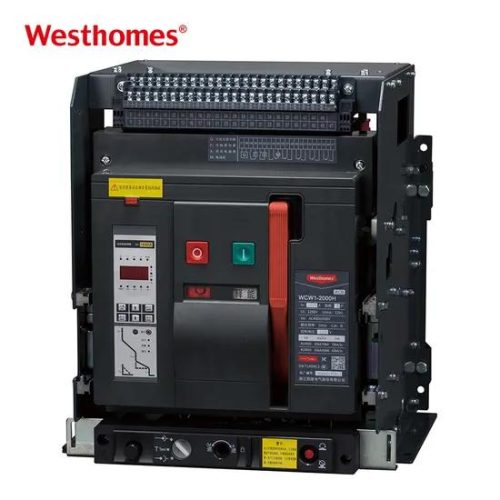
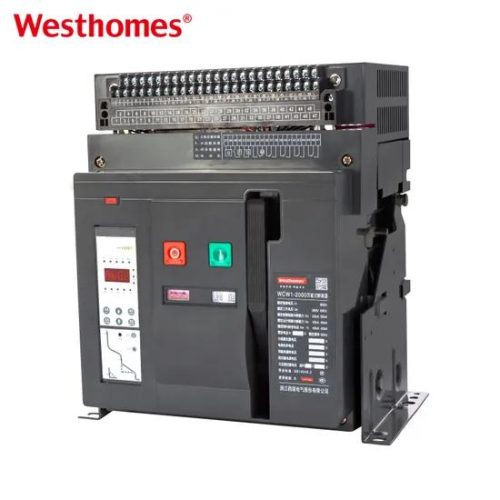
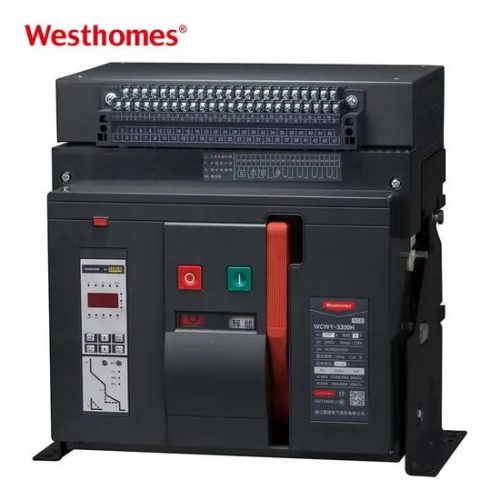
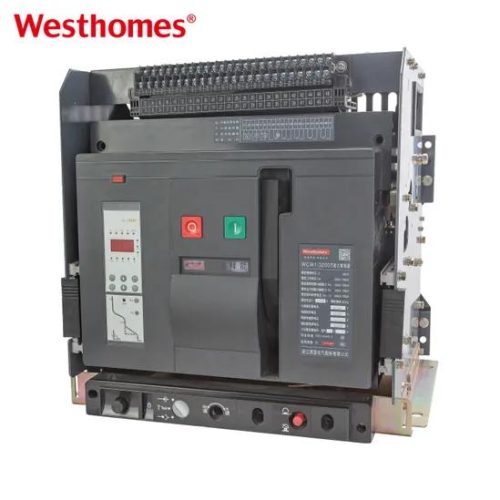
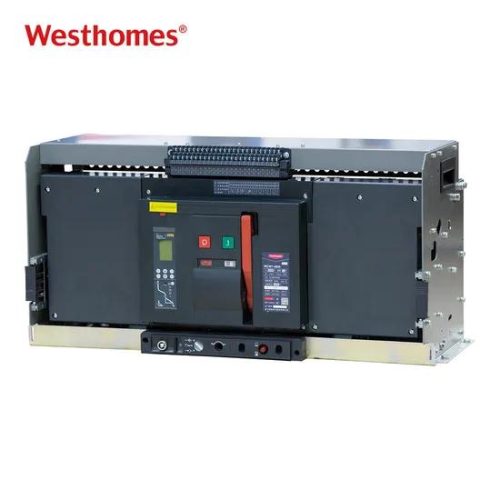
WCW1 is one of updated type MCCBs researched and developed by the company by using advanced design and manufacture technology internationally.
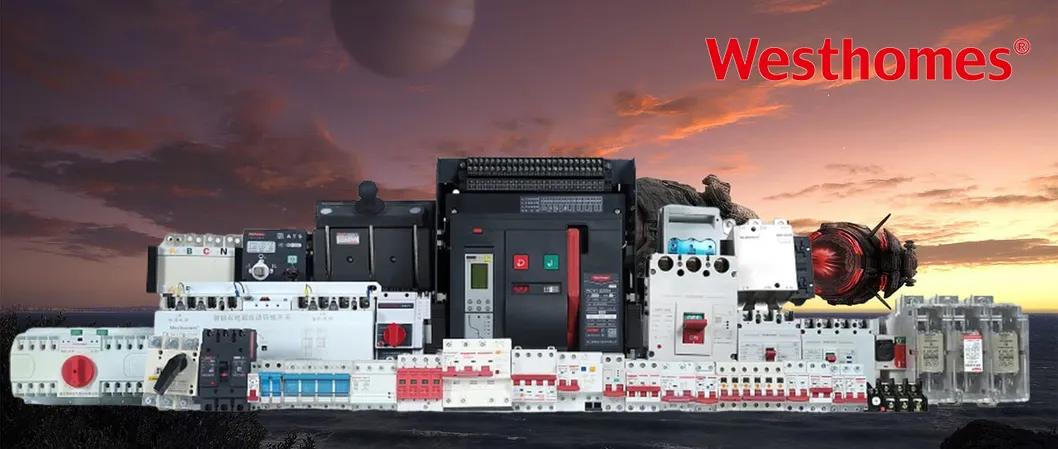
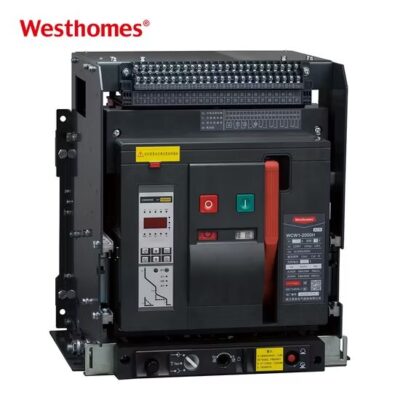
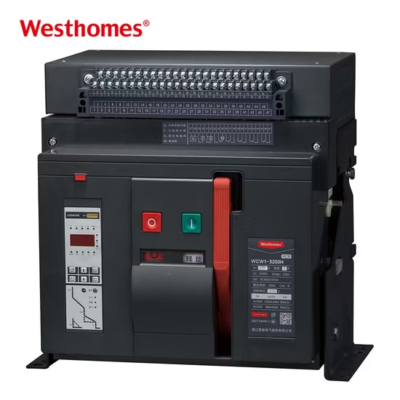
WCW1 series intelligent univeral circuit breaker (circuit breaker for short) applies at distribution network of AC 50Hz, rated voltage upto 600V( 690V), rated current 200A to 6300A, to distribute power and protect line and power supply equipments from fault demage of overload, under voltage, short circuit, single phase grounding. The circuit breaker has function of intelligent Protection with accurate
selection to increase power supply reliability ths to avoid unnecessary power cut. It has open communication interface to make “Four-remote type Control” to fulfill requirements of control center and automatic system. The circuit breakers’ impulse withstand voltage is 8000V when at altitude 2000 meter (Clarity according to standards of different altitude not over 12000V.)
| Pole | 1P, 2P, 3P, 4P |
| Voltage | AC400V/690V |
| kA | 10, 20, 30, 40, 60, 80, 100 |
| Inm | 1000A, 2000A, 3200A, 6300A |
| In | 200A-6300A |
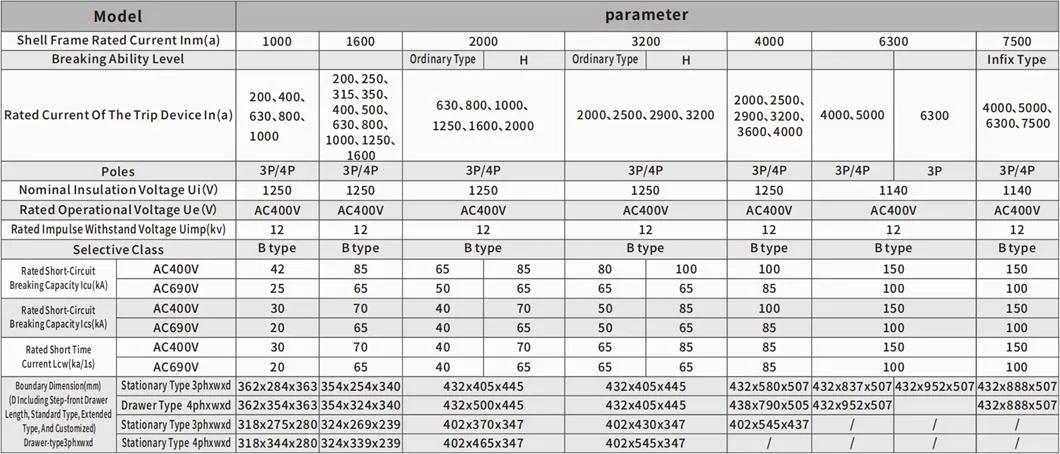
| Frame level rated current Inm (A) | Rated current In (A) |
| 1000 | 200, 400, 630, 800, 1000 |
| 2000 | 630, 800, 1000, 1250, 1600, 2000 |
| 3200 | 2000, 2500, 2900, 3200 |
| 4000 | 3200, 3600, 4000 |
| 6300 | 4000, 5000, 6300 |
An ACB, or Air Circuit Breaker, is a low-voltage protection device that uses air as the arc-quenching medium to safely interrupt overload and short-circuit currents in electrical distribution systems. It is typically used as the main incoming breaker or feeder breaker in low-voltage switchboards, especially for higher-current applications. Westhomes WCW1 series ACBs are designed for reliable performance in industrial and commercial power distribution.
The 6kA (6,000 amperes) breaking capacity indicates the maximum short-circuit current the ACB can safely interrupt without sustaining damage. This rating is critical for proper protection coordination — if the downstream fault current exceeds 6kA, the breaker may fail to clear the fault safely. For systems where the prospective short-circuit current is lower than 6kA, the WCW1 provides adequate short-circuit protection.
The dual voltage rating means the WCW1 ACB is certified for use on both 400V and 690V AC system voltages. At 400V, it is suitable for standard 3-phase industrial and commercial distribution networks; at 690V, it serves heavier-duty industrial installations such as mining, large machinery, and heavy manufacturing plants where higher distribution voltages are used. The breaking capacity and current ratings are verified at each rated voltage per IEC standards.
Air arc quenching uses atmospheric air as the insulating and interrupting medium. When the breaker contacts open under fault current, an electric arc forms between them; the arc is directed into a grid of metal plates called arc chutes, which split, cool, and deionize the arc until it can no longer sustain itself. This method is simple, reliable, and requires no special filling gas or oil, making ACBs suitable for routine maintenance and long service life.
A fixed-mounted ACB is bolted permanently to the busbars and must be isolated from the upstream supply before removal or maintenance. A drawout ACB sits on a removable carriage that can be withdrawn from the connected position to a test or disconnected position while the cubicle remains energized — this allows safer, faster maintenance and replacement without shutting down the entire switchboard. The WCW1 series is offered in both configurations to match project requirements.
A microprocessor-based trip unit is an electronic protection relay that continuously measures current levels and compares them against user-adjustable thresholds to determine when to trip. Unlike older thermal-magnetic trips, it offers precise, repeatable protection curves, adjustable long-time, short-time, and instantaneous settings, and often includes communication ports for remote monitoring and event logging. This enables better coordination with downstream devices and more targeted fault isolation.
LSI refers to three stages of protection commonly found on microprocessor ACB trip units: Long-time (L) — inverse-time overload protection that trips after a delay based on the magnitude of mild overcurrent; Short-time (S) — adjustable delay protection for moderate short circuits that allows downstream devices to clear faults first (selectivity); and Instantaneous (I) — immediate trip for severe short-circuit faults. Some units also add ground-fault (G) protection, making it LSIG.
The ACB is mounted in a low-voltage switchgear cubicle, connected to the main incoming busbars via front or rear terminal connections, and operated by a manual handle or motorized mechanism. Drawout versions slide on guide rails for easy withdrawal; fixed versions bolt directly to the mounting plate. Installation should be performed by qualified electricians in accordance with IEC 60364 wiring standards and the manufacturer's installation instructions. Routine maintenance includes contact inspection, mechanical lubrication, and trip-unit testing.
Yes, the WCW1 series is designed and tested to IEC 60947-2, the international standard for low-voltage switchgear and controlgear — Part 2: Circuit-breakers. This standard covers ratings, dielectric properties, temperature rise, short-circuit withstand, tripping characteristics, and routine testing requirements for circuit breakers up to 1000V AC and 1500V DC. Compliance ensures the breaker meets internationally recognized safety and performance benchmarks.
ACBs are generally preferred for higher current ratings (typically 630A and above), where drawout maintenance is desirable, and where advanced microprocessor protection with full LSI/ground-fault features is needed. MCCBs are more compact and economical for lower-current feeders. The WCW1 ACB is well suited as the main incoming or tie breaker in low-voltage switchboards, generator outlets, and large industrial distribution systems where reliability and maintainability are critical.
* indicates a required field

 2 MB
2 MB